1.webp "Gallstones: Symptoms, Causes & Treatment | Manipal Hospitals")

Gallstones
Gallstones
Gallstones are hardened deposits that form in the gallbladder when bile components like cholesterol or pigments crystallise. Risk factors include obesity, hormonal changes, excess cholesterol, and family history. While some people have no symptoms, stones may block bile ducts and cause pain, nausea, or infection. At Manipal Hospitals, specialists offer precise diagnosis and personalised care for safe, effective treatment for gallstones.
Our Locations
-

Old Airport Road - Bengaluru
-
.webp)
Mysuru
-

Mangaluru
-
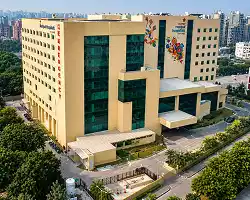
Dwarka - Delhi NCR
-

Patiala
-

Jaipur
-

Vijayawada
-
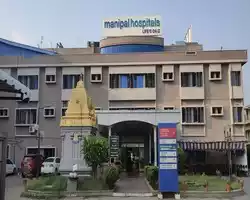
Salem
-
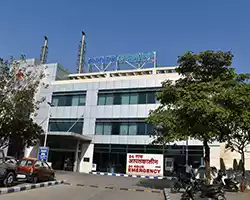
Kharadi - Pune
-

Salt Lake - Kolkata
-

Bhubaneswar
-

Siliguri
-

Ranchi

Didn’t find what you were looking for?
Get in touch with our representatives for help!
Request a CallbackSymptoms of Gallstones
Gallstone symptoms include sudden upper abdominal pain, especially after fatty meals, that may spread to the back or shoulder. Nausea, vomiting, bloating, and indigestion are common. Severe cases may cause fever or jaundice.
How We Diagnose Gallstones
Gallstone diagnosis begins with a detailed consultation and physical examination. Doctors may recommend blood tests to check liver function, infection, or inflammation. An abdominal ultrasound, a non-invasive scan, usually confirms the presence of stones. If needed, advanced imaging such as MRCP or ERCP can help identify bile duct blockages. Accurate diagnosis helps specialists at Manipal Hospitals plan appropriate and timely treatment.
Treatment Options
Gallstone treatment depends on the severity of symptoms. Stones that cause no symptoms may not need immediate treatment. Recurrent pain or blockage is usually treated with laparoscopic gallbladder removal. When surgery isn’t suitable, medications or minimally invasive procedures may be considered.
What to Expect
Patients receiving gallstone treatment at Manipal Hospitals are guided through each step with personalised and structured care. The process begins with a detailed evaluation, including blood tests and imaging, to confirm the diagnosis and assess severity. Specialists explain the condition and suitable treatment options in clear, simple terms. When surgery is required, laparoscopic gallbladder removal is commonly performed. This minimally invasive procedure involves smaller incisions, less postoperative discomfort, and faster recovery. Hospital stay is generally short, depending on the patient’s overall health.
After treatment, most patients gradually resume normal daily activities within 2 to 4 weeks. Mild discomfort, bloating, or temporary digestive changes may occur but are usually manageable. Doctors provide guidance on wound care, diet modifications, and safe activity levels during recovery. Medications may be prescribed if needed for short-term digestive symptoms. Follow-up visits help monitor healing and address any concerns. Ongoing care and lifestyle advice support long-term digestive health and reduce the risk of further complications.
Consult our Experts
FAQs
-
What are the common causes of gallstones?
Causes of gallstones include excess cholesterol or bile pigments, obesity, rapid weight loss, certain medical conditions, and genetic factors. Any imbalance in bile composition can increase the risk of gallstone formation.
-
What are the typical gallstone symptoms?
Gallstone symptoms can include sudden, intense pain in the upper abdomen, back, or right shoulder. Nausea, vomiting, and digestive discomfort can occur, especially after fatty meals. Persistent or worsening symptoms require medical attention.
-
How is gallstone diagnosis performed?
Gallstone diagnosis involves a physical examination and blood tests to check liver function and detect infection. Additionally, imaging tests such as an abdominal ultrasound may be used to identify stones. Advanced imaging may be required for complex cases.
-
What are the treatment options for gallstones?
Gallstone treatment usually involves surgical removal of the gallbladder, especially if stones cause pain or blockage. In select cases, medications or minimally invasive procedures may be considered when surgery is not suitable.
-
Can gallstones go away on their own?
Gallstones rarely disappear without treatment. If left untreated, they may grow larger or block the bile ducts, leading to pain and complications. Surgical removal of the gallbladder is the most reliable way to prevent recurrence.



You’re on Our Indian Website
Visit the Global site for International patient services
'Click' to chat with us
