
.webp "Food Allergies: Symptoms, Causes & Treatment")
Food Allergies
Food Allergies
Food allergies occur when the body's immune system mistakenly identifies certain food proteins as harmful and triggers an allergic reaction. Even a small amount of trigger food may provoke allergic symptoms. Common food allergy triggers include milk, tree nuts, peanuts, eggs, wheat, soy, certain fish, and shellfish. Prompt medical guidance is important to prevent severe allergic reactions and complications. Manipal Hospitals offers precise diagnosis and tailored treatment for patients dealing with food allergies.
Our Locations
-

Old Airport Road - Bengaluru
-
.webp)
Mysuru
-

Mangaluru
-
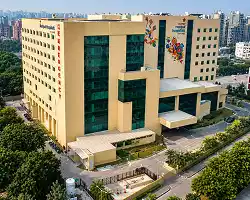
Dwarka - Delhi NCR
-

Patiala
-
Jaipur
-
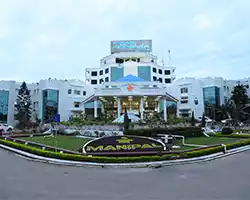
Vijayawada
-
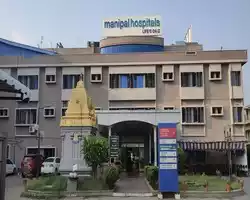
Salem
-
Kharadi - Pune
-

Salt Lake - Kolkata
-

Bhubaneswar
-

Siliguri
-

Ranchi

Didn’t find what you were looking for?
Get in touch with our representatives for help!
Request a CallbackSymptoms of Food Allergies
Food allergy symptoms may appear within minutes to a few hours after consuming the trigger food. Common manifestations may include itching, hives, swelling of the lips or face, abdominal pain, vomiting, wheezing, or breathing difficulties.
How We Diagnose Food Allergies
Diagnosis is based on a detailed medical history and physical examination, with emphasis on potential trigger foods and allergic reactions. Doctors may recommend food allergy testing, including IgE blood tests or a skin prick test. In specific instances, an oral food challenge may be performed under medical supervision to identify the allergen and confirm a diagnosis.
Treatment Options
Food allergy treatment primarily involves strict avoidance of the trigger foods and careful dietary planning. Doctors may prescribe antihistamines for mild allergic reactions and emergency medications such as epinephrine for severe allergic responses.
What to Expect
At Manipal Hospitals, patients diagnosed with food allergies receive guidance that focuses on preventing allergic reactions and managing symptoms. The initial step involves recognising the potential foods that trigger allergic responses and removing them from the diet. Doctors and dietitians collaborate to provide comprehensive dietary advice. This helps patients avoid allergens while still maintaining a balanced diet.
Education is essential for long-term management of food allergies. Patients and caregivers receive guidance on reading food labels, recognising hidden ingredients, and understanding cross-contamination risks during food preparation. Patients at risk for severe reactions are advised to carry emergency medications prescribed by the doctor.
The best way to control most allergic reactions is to avoid trigger foods. Mild reactions may include itching or skin rashes, while severe reactions can involve breathing difficulty or throat swelling. In rare cases, a life-threatening condition known as anaphylaxis may occur, which requires immediate emergency treatment.
Through routine follow-up, doctors can monitor the condition, review eating habits, and determine whether the allergy persists. With proper information and proactive measures, many people can successfully manage food allergies and maintain a healthy lifestyle.
Consult our Experts
FAQs
-
What are the common foods that can cause food allergies?
Certain foods are responsible for the majority of allergic reactions. The potential triggers include peanuts, tree nuts, milk, eggs, wheat, soy, fish, and shellfish. These foods contain proteins that may trigger immune reactions in individuals who are sensitive to them.
-
Is it possible for food allergies to develop later in life?
It is possible to develop food allergies at any stage of life. Foods that were previously well-tolerated may later trigger allergic reactions. Altered immune function or new sensitivities to food proteins can cause allergic reactions during the teen years or adulthood.
-
Are food allergies the same as food intolerances?
Food allergies involve an immune system reaction to specific food proteins. Whereas food intolerances refer to digestive problems that do not involve the immune system. For example, lactose intolerance causes digestive symptoms and does not trigger an allergic immune response.
-
Why is carrying an epinephrine auto-injector recommended for some patients?
Individuals with a history of severe allergic reactions may be prescribed an epinephrine auto-injector. Epinephrine is considered the first-line emergency treatment for anaphylaxis. It rapidly reduces severe allergic symptoms and can be life-saving until emergency medical care is available.
-
Can cooking or heating foods prevent allergic reactions?
Allergen proteins are not always destroyed by cooking. In some cases, heating may reduce allergenicity. However, many allergens remain stable even after cooking. Individuals with an established food allergy should avoid the trigger food.



You’re on Our Indian Website
Visit the Global site for International patient services
'Click' to chat with us
