.webp "Excess Fat Deposits: Causes & Treatment | Manipal Hospitals")
Excess fat deposits
Excess fat deposits
Excess fat deposits refer to abnormal accumulation of fat tissue in specific or generalised body areas. This occurs due to an imbalance between energy intake and expenditure. The causes of fat deposits include a sedentary lifestyle, high-calorie diet, hormonal imbalances, genetic predisposition, and metabolic disorders. Management involves lifestyle modification and clinically approved fat reduction treatments. Manipal Hospitals offers comprehensive evaluation and personalised care for effective management of excess fat deposits.
Our Locations
-
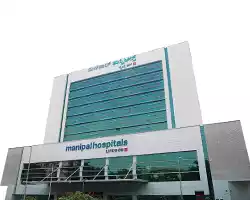
Old Airport Road - Bengaluru
-
.webp)
Mysuru
-
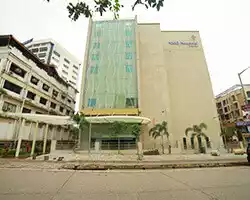
Mangaluru
-
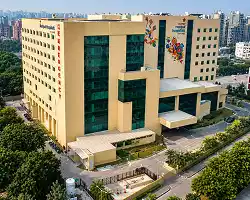
Dwarka - Delhi NCR
-
Patiala
-

Jaipur
-

Vijayawada
-
Salem
-

Bhubaneswar
-
Siliguri
-

Ranchi

Didn’t find what you were looking for?
Get in touch with our representatives for help!
Request a CallbackSymptoms of Excess fat deposits
Excess fat deposits may appear as visible accumulations of fat around the abdomen, thighs, arms, or back. They may also lead to reduced mobility, fatigue, and, in some cases, metabolic complications such as insulin resistance.
How We Diagnose Excess fat deposits
Diagnosis involves a detailed clinical assessment, including measurement of body mass index (BMI), waist circumference, and fat distribution. Doctors may recommend imaging techniques such as ultrasound or DEXA scans to evaluate body fat composition. Laboratory tests help identify underlying metabolic or hormonal abnormalities and guide appropriate fat reduction treatments.
Treatment Options
Management includes dietary modification, regular physical activity, and behavioural therapy. Treatment options may include pharmacotherapy or, in selected cases, surgical procedures for fat reduction. Advanced options, including non-invasive or minimally invasive lipolysis techniques, may be considered based on individual assessment.
What to Expect
At Manipal Hospitals, individuals with excess fat deposits undergo a detailed clinical evaluation to assess overall health, fat distribution, and contributing factors. This includes anthropometric measurements, metabolic profiling, and, when indicated, imaging studies. Based on these findings, doctors develop a personalised management plan. Underlying risk factors such as insulin resistance or hormonal imbalance are also addressed as part of treatment.
Initial management focuses on lifestyle interventions, including a balanced diet, structured exercise programmes, and behavioural modification. When lifestyle measures are insufficient, medical therapies may be introduced to support weight and fat reduction. In selected cases, minimally invasive or non-surgical fat reduction treatments may be recommended for targeted areas.
Doctors select appropriate procedures based on patient suitability, safety, and expected outcomes. These approaches aim to reduce local fat deposits while maintaining overall health.
Supportive care, including nutritional counselling and regular monitoring, is essential for sustaining long-term results. Follow-up appointments help track progress, optimise treatment strategies, and reduce the risk of recurrence, supporting overall metabolic health.
Consult our Experts
FAQs
-
What leads to the deposition of excess fat?
The causes of fat deposits include high caloric intake, a sedentary lifestyle, hormonal imbalances, genetic factors, and certain medical conditions. These factors disrupt metabolism and promote fat storage in different parts of the body.
-
Are excess fat deposits harmful to health?
Yes. Excess fat, especially visceral fat, increases the risk of metabolic disorders such as type 2 diabetes, hypertension, and cardiovascular disease. Early evaluation and management help reduce these risks.
-
What are the available fat reduction treatments?
Treatment options include lifestyle changes, medications, and minimally invasive procedures such as cryolipolysis or lipolysis. The choice of treatment depends on the extent of fat accumulation and overall health status.
-
Is excess fat removal safe?
When performed by qualified professionals after proper evaluation, fat reduction procedures are generally safe. Appropriate patient selection, technique, and post-procedure care are essential to minimise risks.
-
Can fat deposits return after treatment?
Yes. Fat can return if healthy lifestyle practices are not maintained. Sustained results require a balanced diet, regular physical activity, and periodic follow-up. Consistent adherence to these measures helps maintain body composition and reduces the risk of fat reaccumulation.



You’re on Our Indian Website
Visit the Global site for International patient services
'Click' to chat with us
