
1.webp "Enlarged Prostate: Symptoms & Treatment")
Enlarged Prostate
Enlarged Prostate
An enlarged prostate is a non-cancerous increase in the size of the prostate gland that commonly occurs with ageing in men. The prostate gland surrounds the urethra, and enlargement may affect normal urine flow. Hormonal changes, age-related cellular growth, and ongoing androgen activity may contribute to prostate enlargement. The condition can lead to urinary symptoms and discomfort if left untreated. Manipal Hospitals provides evaluation and appropriate management for enlarged prostate conditions.
Our Locations
-
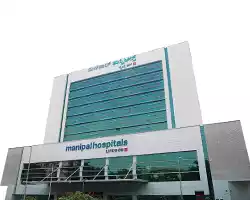
Old Airport Road - Bengaluru
-
.webp)
Mysuru
-
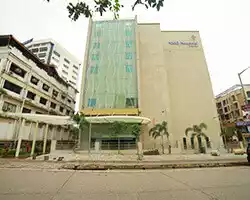
Mangaluru
-
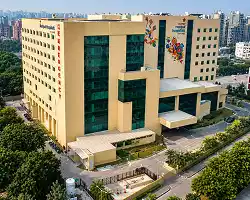
Dwarka - Delhi NCR
-
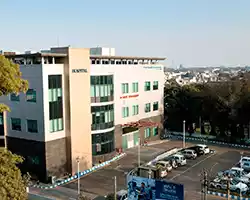
Patiala
-

Jaipur
-

Vijayawada
-
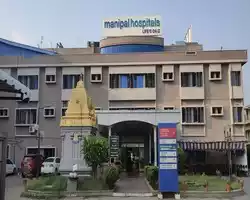
Salem
-
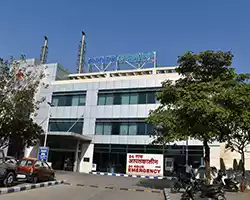
Kharadi - Pune
-
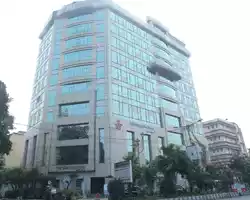
Salt Lake - Kolkata
-

Bhubaneswar
-

Siliguri
-

Ranchi
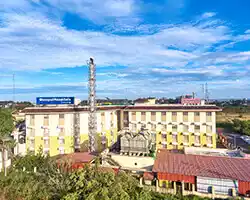
Didn’t find what you were looking for?
Get in touch with our representatives for help!
Request a CallbackSymptoms of Enlarged Prostate
Enlarged prostate symptoms mainly affect urination because the enlarged gland presses on the urethra. Common signs include frequent urination, difficulty starting urination, weak urine stream, and incomplete bladder emptying. Some individuals may also experience sudden urgency, nighttime urination, or occasional urinary leakage.
How We Diagnose Enlarged Prostate
Diagnosis of an enlarged prostate involves evaluating urinary symptoms, medical history, and prostate health. Doctors perform a physical examination, including a digital rectal examination, to assess prostate size and detect abnormalities. Additional tests may include urinalysis, an ultrasound to measure post-void residual urine, urine flow studies, and blood tests such as prostate-specific antigen. Specialists at Manipal Hospitals use these assessments to confirm prostate enlargement and plan appropriate management.
Treatment Options
Enlarged prostate treatment focuses on relieving urinary symptoms and improving urine flow. Management may include lifestyle changes, medications that relax prostate muscles or reduce gland size, and surgical procedures in severe cases. Treatment choice depends on symptom severity and overall health.
What to Expect
Enlarged prostate care at Manipal Hospitals begins with a detailed consultation to review urinary symptoms, medical history, and overall health. Doctors discuss concerns and perform a physical examination, including a digital rectal examination to assess prostate size. Diagnostic tests such as urinalysis, urine flow measurement, an ultrasound to evaluate bladder emptying, and blood tests may be recommended. These assessments help confirm the condition and identify possible complications. Based on the findings, specialists explain the diagnosis and discuss suitable management options.
After evaluation, the care team prepares a personalised plan for benign prostatic hyperplasia treatment. Management may include lifestyle guidance, medications that relax prostate muscles or reduce gland size, or procedures if symptoms are severe. Doctors explain the benefits and possible risks of each option to support informed decisions. Follow-up visits allow doctors to monitor urinary symptoms, assess treatment response, and adjust management if needed. Patients also receive guidance on managing symptoms, maintaining urinary health, and recognising warning signs that may require further medical attention.
Consult our Experts
FAQs
-
At what age does an enlarged prostate usually develop?
An enlarged prostate commonly develops with ageing. The likelihood increases after middle age and becomes more common in older men. Age-related hormonal changes and normal testicular function may influence prostate growth and lead to urinary symptoms in some individuals.
-
Does an enlarged prostate increase the risk of prostate cancer?
An enlarged prostate, also called benign prostatic hyperplasia, is a non-cancerous condition. It does not increase the risk of prostate cancer. However, doctors may recommend tests such as prostate-specific antigen to evaluate prostate health.
-
Is surgery always required for enlarged prostate treatment?
Surgery is not always required for enlarged prostate treatment. Many individuals manage symptoms with lifestyle changes or medications that relax prostate muscles or reduce gland size. Surgical procedures may be considered when symptoms are severe or complications develop.
-
Can an enlarged prostate cause bladder problems?
Yes, an enlarged prostate can affect normal urine flow because the prostate surrounds the urethra. This pressure may lead to incomplete bladder emptying, frequent urination, urinary retention, or an increased risk of urinary tract infections.
-
Can lifestyle changes help manage enlarged prostate symptoms?
Lifestyle changes may help reduce enlarged prostate symptoms. Limiting caffeine and alcohol, managing fluid intake, staying physically active, and reducing stress may improve urinary control and decrease nighttime urination in some individuals.



You’re on Our Indian Website
Visit the Global site for International patient services
'Click' to chat with us
