
.webp "End Stage Renal Disease: Symptoms & Treatment | Manipal Hospitals")
End Stage Renal Disease
End Stage Renal Disease
End-stage renal disease (ESRD) is the final, irreversible stage of chronic kidney disease. It occurs when the kidneys can no longer effectively filter waste and excess fluid from the blood. Common causes include diabetes, high blood pressure, polycystic kidney disease, and glomerulonephritis. Family history may increase the risk. Without treatment, the condition is life-threatening. Specialists at Manipal Hospitals provide comprehensive evaluation, renal replacement therapy, advanced symptom management, and supportive care to improve quality of life.
Our Locations
-
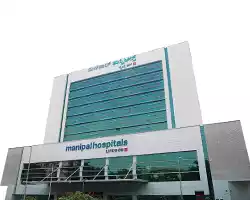
Old Airport Road - Bengaluru
-
.webp)
Mysuru
-
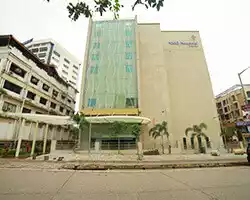
Mangaluru
-
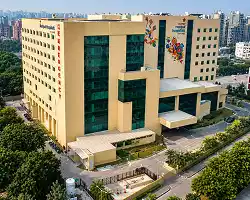
Dwarka - Delhi NCR
-
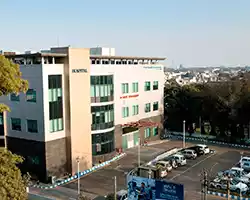
Patiala
-
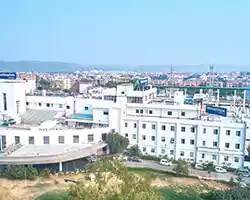
Jaipur
-
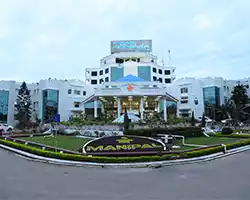
Vijayawada
-
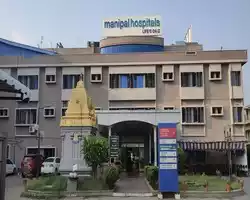
Salem
-
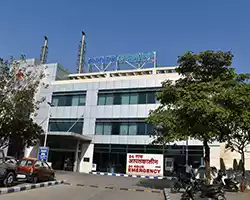
Kharadi - Pune
-
Salt Lake - Kolkata
-

Bhubaneswar
-
Siliguri
-

Ranchi
Didn’t find what you were looking for?
Get in touch with our representatives for help!
Request a CallbackSymptoms of End Stage Renal Disease
End stage renal disease symptoms include reduced urine output, swelling of the legs, ankles, and feet, and persistent fatigue. Patients may also experience nausea, loss of appetite, shortness of breath, and difficulty concentrating along with muscle cramps, itchy skin, and a metallic taste.
How We Diagnose End Stage Renal Disease
End stage renal disease diagnosis begins with a clinical assessment and medical history review. Blood tests measure serum creatinine and estimate the glomerular filtration rate (GFR), a key indicator of kidney function. Urine tests detect protein (albuminuria). Renal ultrasound assesses kidney size and structure. Where the cause remains unclear, a renal biopsy may be performed to help determine the underlying diagnosis.
Treatment Options
End stage renal disease treatment options include renal replacement therapy such as dialysis (haemodialysis or peritoneal dialysis) and kidney transplantation. Supportive care involves medications for blood pressure, anaemia, and bone health, along with dietary modifications and regular monitoring of electrolytes like potassium, sodium, calcium, and phosphate.
What to Expect
At Manipal Hospitals, patients seeking end stage renal disease treatment receive comprehensive care from the first consultation. Diagnostic investigations confirm the diagnosis and identify contributing conditions. Nephrologists, dietitians, and specialist nurses collaborate to develop a personalised treatment plan.
Doctors tailor medical management based on the underlying cause, degree of kidney function, comorbidities, treatment tolerance, and patient preferences. Patients starting dialysis (haemodialysis or peritoneal dialysis) receive education and ongoing clinical support, while those on haemodialysis are trained in vascular access care. Patients eligible for kidney transplantation are guided through evaluation, listing, and post-transplant care.
Dietitians prescribe an individualised diet with adequate protein intake (often higher for patients on dialysis), with restrictions on sodium, potassium, and phosphate. Fluid intake may be limited based on urine output and dialysis modality.
Haemodialysis may cause muscle cramps and hypotension, while peritoneal dialysis can lead to peritonitis or catheter-related infections with fever and abdominal pain. Moreover, ESRD may cause bone disease, hypertension, cardiovascular issues, neuropathy, and anaemia. Regular follow-up and advanced care help improve outcomes and quality of life.
Consult our Experts
FAQs
-
Is end stage renal disease the same as chronic kidney disease?
No. Chronic kidney disease (CKD) has five stages. End-stage renal disease is stage 5 CKD, where kidney function falls below approximately 15%. At this stage, the kidneys can no longer support the body’s needs, and renal replacement therapy such as dialysis or transplantation becomes necessary.
-
What are the end stage renal disease causes?
Diabetes and high blood pressure are the leading causes, damaging the kidneys' filtering structures over time. Other causes include glomerulonephritis, polycystic kidney disease, and recurrent or chronic kidney infections.
-
When should a patient see a doctor?
Patients with persistent fatigue, swelling, reduced urine output, or breathlessness should seek medical evaluation promptly. Individuals with diabetes or hypertension should undergo regular kidney screening.
-
Can end stage renal disease be cured?
End stage renal disease cannot be reversed, but it can be managed. Dialysis sustains life, and kidney transplantation offers better long-term outcomes for eligible patients. Early diagnosis and consistent treatment help improve quality of life.
-
What lifestyle changes support end stage renal disease management?
Dietary modification is essential, limiting sodium, potassium, phosphorus, and fluids as advised by a dietitian. Patients should remain physically active as tolerated and adhere to prescribed medications and follow-up.



You’re on Our Indian Website
Visit the Global site for International patient services
'Click' to chat with us
