.webp "Drug Toxicity: Symptoms & Treatment")
Drug toxicity
Drug toxicity
Drug toxicity refers to harmful effects that occur when an excessive amount of a medication is taken. It can develop due to drug accumulation in the body or impaired metabolism. Contributing factors include overdose, drug interactions, and incorrect dosing. The condition may affect multiple organ systems and disrupt normal physiological functions. Drug toxicity should be diagnosed early and treated appropriately. Manipal Hospitals offers comprehensive care for patients with drug toxicity.
Our Locations
-

Old Airport Road - Bengaluru
-
.webp)
Mysuru
-

Mangaluru
-
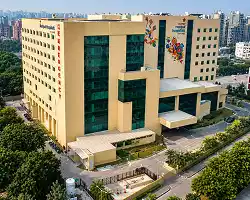
Dwarka - Delhi NCR
-

Patiala
-

Jaipur
-

Vijayawada
-
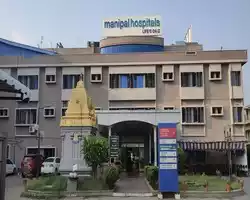
Salem
-
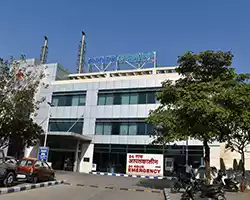
Kharadi - Pune
-

Salt Lake - Kolkata
-

Bhubaneswar
-

Siliguri
-

Ranchi

Didn’t find what you were looking for?
Get in touch with our representatives for help!
Request a CallbackSymptoms of Drug toxicity
Common drug toxicity symptoms include nausea, vomiting, confusion, dizziness, abnormal heart rhythm, and difficulty breathing. The drug involved and the extent of toxicity determine symptom severity. In severe cases, patients may develop seizures, altered consciousness, or organ dysfunction.
How We Diagnose Drug toxicity
Drug toxicity diagnosis involves a detailed clinical history, including medication use, dosage, timing, and possible exposure to toxins. Physical examination is done to assess vital signs and organ involvement. Laboratory investigations help confirm toxicity. These may include blood drug levels, liver and kidney function tests, and electrolyte analysis. Doctors may recommend additional tests, such as an ECG or imaging studies, in specific cases.
Treatment Options
Drug toxicity management focuses on stabilisation and preventing further absorption. It also aims to enhance the elimination of the toxic agent. Toxic reaction management may include activated charcoal, antidotes, supportive care, and careful monitoring. In severe cases, advanced interventions such as dialysis may be required.
What to Expect
Patients seeking treatment for drug toxicity at Manipal Hospitals undergo immediate evaluation.
This helps assess severity, identify the cause, and stabilise vital functions. The initial management follows emergency protocols, focusing on airway, breathing, and circulation. Early interventions aim to prevent further absorption of the drug and limit systemic effects.
Once stabilised, a detailed clinical assessment is performed. Targeted investigations determine the extent of toxicity and organ involvement. Doctors individualise the treatment plan based on the drug involved, severity, and patient condition. Measures may include administration of specific antidotes, supportive care, and careful monitoring in an intensive care setting.
Ongoing drug toxicity treatment includes monitoring vital signs, laboratory values, and organ function. This helps detect complications early. In selected cases, haemodialysis may be performed to remove the toxin from the bloodstream.
Recovery depends on the type of drug, dose, and timeliness of intervention. With prompt and appropriate care, most patients stabilise and recover quickly. Follow-up focuses on preventing recurrence and ensuring safe medication use.
Consult our Experts
FAQs
-
What are the early warning signs of drug toxicity?
Early signs of drug toxicity may include nausea, dizziness, confusion, or unusual drowsiness. Changes in heart rate, breathing, or behaviour may also indicate toxicity. Prompt recognition of these symptoms helps prevent the progression to severe complications.
-
What causes drug toxicity?
Drug toxicity may occur due to overdose, incorrect dosing, drug interactions, or impaired metabolism in the liver or kidneys. The risk of toxic effects increases with accidental ingestion, prescription errors, or self-medication.
-
Can drug toxicity affect multiple organs?
Yes. Drug toxicity can affect various organ systems, including the liver, kidneys, heart, and nervous system. The extent of organ involvement depends on the type of drug, dose, and duration of exposure.
-
How is drug toxicity treated in emergencies?
Emergency treatment for drug toxicity involves stabilising vital functions and preventing further drug absorption. Specific antidotes may be administered when available. Supportive care and continuous monitoring are essential to manage complications and ensure patient safety.
-
When is hospitalisation required for drug toxicity?
In moderate to severe cases, hospitalisation is required. This is especially important with altered consciousness, organ dysfunction, or risk of complications. Close monitoring and advanced supportive care may be necessary in such situations.



You’re on Our Indian Website
Visit the Global site for International patient services
'Click' to chat with us
