1.webp "Dengue: Symptoms, Causes & Treatment | Manipal Hospitals")
_(1).webp "Dengue: Symptoms, Causes & Treatment | Manipal Hospitals")
Dengue
Dengue
Dengue is a mosquito-borne viral infection common in tropical and subtropical regions. It spreads through the bites of infected Aedes mosquitoes and may cause fever, headache, body aches, nausea, and rash. Most cases are mild, but some progress to severe illness with bleeding or organ complications. There is no specific cure, and treatment focuses on supportive care. Manipal Hospitals provides timely diagnosis, monitoring and comprehensive management for dengue cases.
Our Locations
-

Old Airport Road - Bengaluru
-
.webp)
Mysuru
-

Mangaluru
-
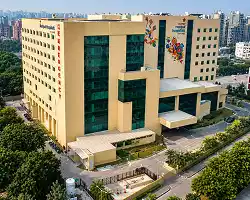
Dwarka - Delhi NCR
-

Patiala
-

Jaipur
-

Vijayawada
-

Salem
-
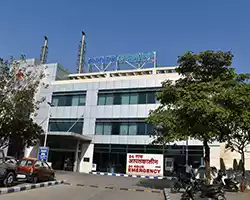
Kharadi - Pune
-

Salt Lake - Kolkata
-

Bhubaneswar
-

Siliguri
-

Ranchi

Didn’t find what you were looking for?
Get in touch with our representatives for help!
Request a CallbackSymptoms of Dengue
Dengue symptoms usually appear 4 to 10 days after an infected mosquito bite and may be mild or severe. Common signs include high fever, severe headache, pain behind the eyes, muscle and joint pain, nausea and rash. Severe dengue can cause abdominal pain, persistent vomiting, bleeding, breathing difficulty, and marked weakness.
How We Diagnose Dengue
Dengue is diagnosed through clinical assessment and laboratory testing. Doctors evaluate symptoms such as fever, headache, body aches and rash during consultation. Blood tests, including PCR (molecular tests), NS1 antigen detection, and antibody assays, help confirm dengue infection. Early testing improves monitoring and timely care. Manipal Hospitals uses appropriate diagnostic methods to support accurate detection and effective dengue management.
Treatment Options
Dengue treatment focuses on supportive care and symptom relief, as there is no specific antiviral therapy. Management includes rest, adequate fluid intake, and paracetamol for fever and pain. Non-steroidal anti-inflammatory medicines are avoided due to the risk of bleeding. Severe cases may require hospital care. Manipal Hospitals provides comprehensive management and monitoring for dengue.
What to Expect
Dengue treatment at Manipal Hospitals begins with a detailed consultation to review symptoms, medical history, and recent travel history. Doctors assess fever patterns, hydration status and warning signs of complications. Blood tests, including NS1 antigen, PCR, and antibody assays, are advised to confirm dengue infection. Based on the results, an individualised care plan is developed. Specialists focus on stabilising symptoms and preventing complications through close monitoring and supportive care.
During care, patients are observed for abdominal pain, persistent vomiting, bleeding, breathing difficulty, or increasing weakness. Regular clinical assessments and repeat blood tests may be conducted when required. Management includes adequate fluids, paracetamol for fever, and strict avoidance of non-steroidal anti-inflammatory medicines. Individuals with severe dengue are closely supervised in a hospital setting. Clear instructions are provided regarding rest, fluid intake and recognising emergency warning signs. Family members may also receive guidance to support safe home care. Follow-up consultations help track recovery, assess fatigue, and ensure complications are identified and managed promptly.
Consult our Experts
FAQs
-
What are the early dengue symptoms to watch for?
Dengue symptoms often begin with sudden high fever, severe headache, pain behind the eyes, muscle and joint pain, nausea and rash. Some individuals may later develop abdominal pain, bleeding or persistent vomiting, which requires urgent medical attention.
-
What are the common causes of dengue?
Dengue causes include infection with the dengue virus, transmitted through the bite of infected Aedes mosquitoes. The risk increases in tropical and subtropical regions, especially in areas with stagnant water and high mosquito activity.
-
How is dengue diagnosis confirmed?
Dengue diagnosis is confirmed through blood tests that detect viral antigens, genetic material (PCR), or antibodies. Doctors also assess clinical symptoms and medical history. Early laboratory confirmation supports timely monitoring and appropriate medical management.
-
What does dengue treatment usually involve?
Dengue treatment focuses on supportive care, as no specific antiviral therapy is available. Management includes rest, adequate fluid intake and paracetamol for fever and pain. Non-steroidal anti-inflammatory medicines are avoided due to bleeding risk.
-
Can dengue become severe during a second infection?
Yes, individuals infected with the dengue virus for a second time have a higher risk of developing severe dengue. Severe dengue often develops during the critical phase, typically after the fever reduces. It may cause abdominal pain, bleeding, weakness, and breathing difficulty.



You’re on Our Indian Website
Visit the Global site for International patient services
'Click' to chat with us
