1_(1).webp "Colorectal Cancer: Symptoms, Causes & Treatment | Manipal Hospitals")
.webp "Colorectal Cancer: Symptoms, Causes & Treatment | Manipal Hospitals")
Colorectal Cancer
Colorectal Cancer
Colorectal cancer is a cancer that occurs in the colon or rectum. It usually begins as small, noncancerous growths called polyps that may gradually transform into cancer over time. Several factors increase the risk of developing the disease. These may include increasing age, family history, inflammatory bowel disease, obesity, smoking, excessive alcohol consumption, and a sedentary lifestyle. Manipal Hospitals offer screening and management services aimed at improving patient outcomes.
Our Locations
-

Old Airport Road - Bengaluru
-
.webp)
Mysuru
-

Mangaluru
-
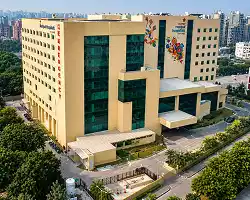
Dwarka - Delhi NCR
-

Patiala
-

Jaipur
-

Vijayawada
-
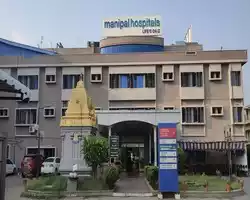
Salem
-
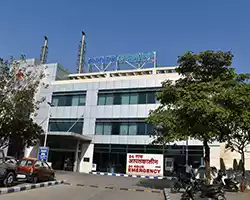
Kharadi - Pune
-

Salt Lake - Kolkata
-

Bhubaneswar
-

Siliguri
-

Ranchi

Didn’t find what you were looking for?
Get in touch with our representatives for help!
Request a CallbackSymptoms of Colorectal Cancer
In the early stages, colorectal cancer might not present any obvious symptoms. Common signs include persistent changes in bowel habits, blood in the stool, abdominal discomfort, unexplained weight loss, and a feeling of incomplete bowel emptying.
How We Diagnose Colorectal Cancer
Colorectal cancer diagnosis begins with assessment of symptoms, risk factors, medical and family history and physical examination. Tests may include stool-based tests to detect hidden blood. Colonoscopy allows direct visualisation of the colon and rectum, with biopsy of suspicious lesions for pathological confirmation. Imaging studies such as CT scans, MRI, or PET scans help evaluate the extent of disease spread.
Treatment Options
Colorectal cancer treatment depends on the disease stage, tumour location, and the patient’s overall health. Treatment approaches may include surgery, chemotherapy, radiation therapy, targeted therapy, or immunotherapy. In many cases, a combination of therapies is used to achieve the best possible outcomes.
What to Expect
Patients undergoing colorectal cancer management at Manipal Hospitals receive a structured assessment and holistic care. It begins with a comprehensive evaluation by a multidisciplinary team that includes surgical oncologists, medical oncologists, radiation oncologists, and gastroenterologists. After confirming the diagnosis and staging of the cancer, an individualised treatment plan is developed.
For early-stage colorectal cancer, surgery to remove the tumour and nearby lymph nodes is often the primary treatment. In rectal cancers, radiation therapy may be given before or after surgery to reduce recurrence risk.
For advanced stages, chemotherapy, targeted therapy, or immunotherapy may be recommended to control disease progression and improve survival outcomes. In selected cases, minimally invasive surgical techniques may be used to reduce recovery time and postoperative discomfort.
Patients receive supportive care throughout colorectal cancer treatment, including nutritional guidance, pain management, and psychological support. Regular follow-up visits are scheduled to monitor recovery, assess treatment response, and detect any signs of recurrence.
Consult our Experts
FAQs
-
When should someone seek medical attention for colorectal cancer symptoms?
Medical evaluation is recommended if there are persistent changes in bowel habits, blood in the stool, unexplained weight loss, or ongoing abdominal discomfort. Early consultation enables timely colorectal cancer diagnosis and improves treatment outcomes.
-
Can colorectal cancer be prevented?
While colorectal cancer cannot always be prevented, the risk can be significantly reduced by following preventive measures. It includes regular screening, maintaining a healthy weight, eating a fibre-rich diet, exercising regularly, limiting alcohol intake, and avoiding tobacco use.
-
Is colorectal cancer curable?
Colorectal cancer is often curable when detected early. Early-stage cancers treated with surgery may have high survival rates. Advanced stages can also be effectively managed with modern colorectal cancer treatment strategies to improve quality of life and survival.
-
What are the common causes of colorectal cancer?
Colorectal cancer causes include genetic predisposition, ageing, a history of colon polyps, and inflammatory bowel disease. Obesity, smoking, alcohol use, and a diet high in processed or red meat also increase the risk. However, some individuals develop it without identifiable risk factors.
-
Does colorectal cancer always require chemotherapy?
Not always. Early-stage colorectal cancer may be treated with surgery alone. Chemotherapy is typically recommended for more advanced stages or when there is a risk of recurrence. It is based on the stage and pathological findings.



You’re on Our Indian Website
Visit the Global site for International patient services
'Click' to chat with us
