
Chronic Obstructive Pulmonary Disease (COPD)
Chronic Obstructive Pulmonary Disease (COPD)
Chronic Obstructive Pulmonary Disease (COPD) is a progressive lung disease that causes persistent airflow limitation and breathing difficulty. It commonly results from long-term exposure to cigarette smoke, air pollution, occupational dust, or biomass fuel smoke. Early diagnosis and appropriate treatment help control symptoms, slow disease progression, and reduce the risk of complications. Specialists at Manipal Hospitals provide comprehensive COPD care supported by advanced technology and pulmonology expertise.
Our Locations
-

Old Airport Road - Bengaluru
-
.webp)
Mysuru
-

Mangaluru
-
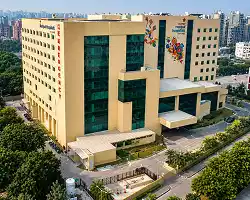
Dwarka - Delhi NCR
-

Patiala
-

Jaipur
-

Vijayawada
-
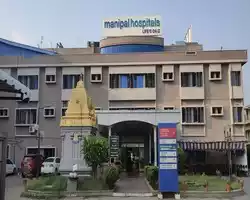
Salem
-
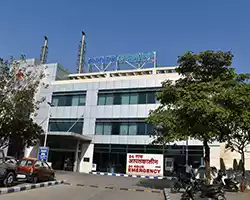
Kharadi - Pune
-

Salt Lake - Kolkata
-

Bhubaneswar
-
Siliguri
-

Ranchi

Didn’t find what you were looking for?
Get in touch with our representatives for help!
Request a CallbackSymptoms of Chronic Obstructive Pulmonary Disease (COPD)
COPD symptoms include chronic cough, sputum production, shortness of breath during activity, wheezing, chest tightness, and fatigue, which gradually worsen over time. In advanced stages, patients may develop breathlessness at rest, frequent lung infections, weight loss, or leg swelling due to heart strain.
How We Diagnose Chronic Obstructive Pulmonary Disease (COPD)
Doctors diagnose COPD through a detailed medical history and physical examination. They assess smoking history, environmental exposures, and respiratory symptoms. Spirometry confirms COPD diagnosis by measuring airflow limitation. Chest X-rays or CT scans help evaluate lung damage, while blood tests and oxygen level assessments determine disease severity and guide treatment planning.
Treatment Options
COPD treatment aims to relieve symptoms, improve breathing, prevent flare-ups, and enhance quality of life. Treatment options include inhaled bronchodilators, inhaled corticosteroids, pulmonary rehabilitation, vaccinations, oxygen therapy, and lifestyle modifications such as smoking cessation. Doctors select treatment based on symptom severity and lung function.
What to Expect
Patients seeking COPD treatment at Manipal Hospitals receive comprehensive and personalised care from experienced pulmonologists and respiratory specialists. Pulmonologists begin with a thorough evaluation of symptoms, smoking history, environmental exposure, and previous exacerbations. They perform spirometry to confirm airflow limitation and assess disease severity.
Once the diagnosis is confirmed, doctors create an individualised COPD treatment plan. This includes inhaled bronchodilators, which help relax airway muscles and improve airflow. In some cases, specialists may prescribe inhaled corticosteroids to reduce airway inflammation and prevent flare-ups. Pulmonary rehabilitation programmes combine supervised exercise, breathing techniques, and education to improve lung capacity and daily functioning.
The team strongly advise smoking cessation to slow disease progression. Vaccinations against influenza and pneumonia help reduce infection risk. In advanced COPD, oxygen therapy may be recommended to maintain adequate oxygen levels.
Regular follow-up visits allow doctors to monitor lung function, adjust medications, and manage exacerbations promptly. Long-term management focuses on symptom control, preventing complications, and maintaining independence and quality of life.
Consult our Experts
FAQs
-
What are the common causes of COPD?
COPD commonly develops due to long-term cigarette smoking. Other COPD causes include exposure to second-hand smoke, air pollution, occupational dust, chemical fumes, and biomass fuel smoke. Rarely, genetic conditions such as alpha-1 antitrypsin deficiency may contribute.
-
Is COPD a serious condition?
Yes, COPD can become serious if left untreated. It may lead to frequent exacerbations, respiratory infections, heart strain, and respiratory failure. Early diagnosis and regular medical care reduce these risks.
-
What is a COPD exacerbation?
A COPD exacerbation is a sudden worsening of symptoms such as increased breathlessness, cough, and sputum production. Infections, air pollution, or missed medications often trigger it. Early medical treatment helps prevent hospitalisation and complications.
-
Do all COPD patients need oxygen therapy?
No, doctors recommend oxygen therapy only for patients with persistently low blood oxygen levels. Proper evaluation determines the need. Oxygen therapy improves survival and quality of life in selected patients with advanced COPD.
-
How can I prevent COPD from worsening?
You can slow COPD progression by quitting smoking, avoiding pollutants, taking medications regularly, getting recommended vaccinations, and staying physically active. Regular follow-up visits help monitor lung function and ensure early management of flare-ups.



You’re on Our Indian Website
Visit the Global site for International patient services
'Click' to chat with us
