

Breast Cancer
Breast Cancer
Breast cancer occurs when cells in the breast undergo genetic mutations, multiply uncontrollably, and form tumours. It is often influenced by factors such as hormonal imbalance, age, lifestyle habits, or genetic predisposition. Early detection through regular screening and timely intervention significantly improves treatment outcomes and survival rates. Experienced oncologists at Manipal Hospitals provide specialised care for individuals with breast cancer.
Our Locations
-

Old Airport Road - Bengaluru
-
.webp)
Mysuru
-
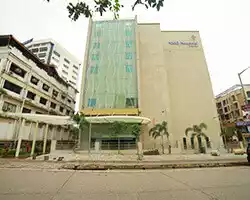
Mangaluru
-
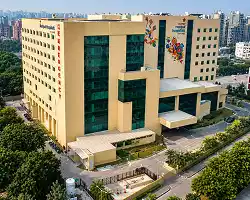
Dwarka - Delhi NCR
-
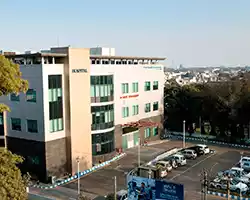
Patiala
-
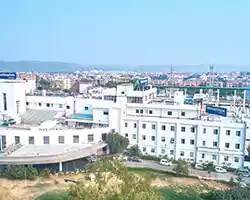
Jaipur
-

Vijayawada
-
Salem
-

Salt Lake - Kolkata
-

Bhubaneswar
-
Siliguri
-

Ranchi

Didn’t find what you were looking for?
Get in touch with our representatives for help!
Request a CallbackSymptoms of Breast Cancer
Breast cancer symptoms include a painless lump or thickening in the breast or underarm, and nipple inversion or discharge. Changes in breast size or shape, redness, and skin dimpling may also occur. In case of prolonged pain or swelling, immediate medical attention is recommended.
How We Diagnose Breast Cancer
Breast cancer diagnosis begins with a detailed clinical examination. Specialists may recommend imaging tests such as mammography, breast ultrasound, or MRI to evaluate suspicious findings. If an abnormality is detected, a biopsy is performed to confirm the diagnosis. Additional tests, including immunohistochemistry for hormone receptor status and genetic testing for inherited mutations, may be conducted to guide treatment planning.
Treatment Options
The choice of treatment depends on the cancer stage, tumour biology, and overall health. Treatment options include radiation therapy, surgery, chemotherapy, hormone therapy, and targeted therapy. In many cases, a combination of therapies is recommended to achieve the best possible outcomes.
What to Expect
Patients undergoing breast cancer management at Manipal Hospitals receive comprehensive, multidisciplinary care. The journey begins with an initial assessment, diagnostic imaging, and a consultation with experienced oncologists to plan a personalised treatment. Depending on the stage and tumour characteristics, surgery may be performed either before or after chemotherapy to remove cancerous tissue. Radiation therapy may follow surgery to eliminate any remaining cancer cells. Hormone therapy or targeted therapy is recommended when specific receptors or genetic markers are identified.
Throughout treatment, the medical team provides continuous guidance and emotional support. Post-treatment care aims to improve general health, manage side effects, and regain strength. To promote faster recovery, the rehabilitation team provides patients with dietary advice, physiotherapy, and counselling. Regular follow-up visits help monitor treatment response, detect recurrence early, and manage long-term effects. A dedicated nursing and support team ensures patient comfort, safety, and reassurance at every stage of care.
Consult our Experts
FAQs
-
What are the causes of breast cancer?
Breast cancer causes include family history, increasing age, smoking, alcohol use, prior radiation exposure, obesity, and use of hormone replacement therapy. Inheriting specific genetic mutations can also lead to the development of the disease.
-
Can breast cancer be cured if detected early?
When breast cancer is detected at an early stage, treatment outcomes are significantly improved. Early diagnosis allows timely surgical and medical intervention, reducing the risk of spread, improving survival rates, and enhancing long-term quality of life.
-
Does breast cancer treatment affect daily life?
Breast cancer treatment may temporarily affect energy levels and routine activities. With proper medical supervision, supportive therapies, and rehabilitation, most patients gradually resume normal daily activities and maintain a good quality of life.
-
How often are follow-up visits required after treatment?
The plan for follow-up visits differs for every patient. Initially, it involves visits every few months and is then followed by yearly visits. These visits help in recovery monitoring, early recurrence detection, and late effect management.
-
Can breast cancer recur after treatment?
Breast cancer can recur even after successful treatment, depending on the tumour type, stage, and biological characteristics. Regular follow-up visits, imaging tests, and adherence to prescribed therapies significantly help in early detection and reducing recurrence risk.



You’re on Our Indian Website
Visit the Global site for International patient services
'Click' to chat with us
