_(1).webp "Brain Tumors: Types, Symptoms & Treatment | Manipal Hospitals")
.webp "Brain Tumors: Types, Symptoms & Treatment | Manipal Hospitals")
Brain Tumours
Brain Tumours
Brain tumours are abnormal growths of cells that grow either in the brain or its surrounding structures. They can be benign (non-cancerous) or malignant (cancerous) and can develop in the brain or spread to the brain from other body parts. The exact causes are not clearly understood. However, radiation exposure and certain genetic factors may increase risk. Manipal Hospitals offers multidisciplinary care that focuses on improving treatment outcomes and quality of life.
Our Locations
-

Old Airport Road - Bengaluru
-
.webp)
Mysuru
-
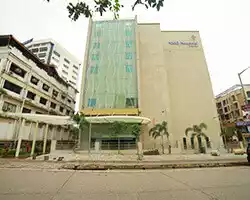
Mangaluru
-
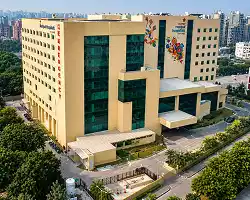
Dwarka - Delhi NCR
-
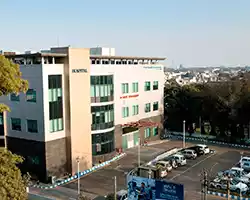
Patiala
-

Jaipur
-
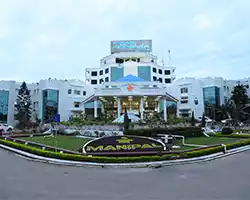
Vijayawada
-
Salem
-
Kharadi - Pune
-

Salt Lake - Kolkata
-

Bhubaneswar
-

Siliguri
-

Ranchi

Didn’t find what you were looking for?
Get in touch with our representatives for help!
Request a CallbackSymptoms of Brain Tumours
Brain tumour symptoms differ by size and location. Common symptoms include seizures, nausea or vomiting, persistent headaches, vision or speech problems, and balance difficulties. People may also experience weakness or numbness in limbs, hearing issues, and cognitive or memory impairment.
How We Diagnose Brain Tumours
Brain tumour diagnosis begins with a detailed neurological examination and review of medical history. Imaging studies such as CT scans, MRIs, or PET scans help identify tumour size, location, and characteristics. Advanced molecular testing or biopsy confirms the tumour grade and type. Functional tests assess the impact on brain activity and help in guiding individualised treatment.
Treatment Options
Brain tumour treatment depends on tumour location, grade, type, size, and the patient’s overall health. Treatment options include radiation therapy, surgery, targeted therapy and chemotherapy, alone or in combination, guided by multidisciplinary neuro-oncology care.
What to Expect
Patients undergoing brain tumour management at Manipal Hospitals receive comprehensive care through a multidisciplinary approach. The team often includes neurologists, neurosurgeons, oncologists, radiologists and rehabilitation experts. Each case is evaluated through a detailed review of symptoms, neurological findings, and imaging studies. When needed, biopsy or molecular testing is also performed to determine the tumour type and grade.
When feasible, surgery is the primary treatment option, aiming to remove as much of the tumour as possible while preserving normal brain function. Advanced techniques such as image-guided surgery and stereotactic methods are used to improve precision and safety. Post-operative radiation therapy or chemotherapy may be recommended to control residual tumour cells, depending on tumour characteristics and overall health status.
Patients are closely monitored for neurological status, treatment response, and side effects. Supportive care, including medications to manage seizures, swelling, and pain, forms an essential part of treatment. Rehabilitation services such as physiotherapy, speech therapy, and cognitive support are often advised to enhance functional recovery.
Patients undergo regular follow-up evaluations and imaging to monitor treatment response and detect recurrence early. Early diagnosis, coordinated care, and individualised treatment enhance symptom management, functional outcomes, and overall quality of life.
Consult our Experts
FAQs
-
Are all brain tumours cancerous?
Not always. Brain tumours are generally of two types, namely benign (non-cancerous) or malignant (cancerous). Benign tumours usually grow slowly and do not spread, whereas malignant tumours are aggressive and may attack surrounding brain tissue.
-
When is surgery required for a brain tumour?
Surgery is recommended when the tumour is accessible and causing symptoms such as seizures, neurological deficits, or increased intracranial pressure. It helps confirm the diagnosis, relieve pressure on the brain, and reduce tumour burden before additional treatments if needed.
-
What are the causes of brain tumours?
The exact causes of most brain tumours remain unknown. They may be associated with genetic mutations, inherited conditions, or prior exposure to high-dose radiation. In many patients, brain tumours develop without any clearly identifiable risk factors.
-
Can brain tumours be completely cured?
Certain types of brain tumours, particularly benign or low-grade, can be completely removed with surgery and may be cured. Other types may not be fully curable but can be controlled for long periods with regular monitoring, appropriate treatment and supportive care.
-
When should someone seek medical attention for brain tumour symptoms?
Seek medical attention if persistent or unexplained neurological symptoms develop. These may include ongoing headaches, new-onset seizures, progressive weakness, vision or speech changes, balance difficulties, or noticeable personality alterations. Early diagnosis allows timely brain tumour treatment and improves functional outcomes.



You’re on Our Indian Website
Visit the Global site for International patient services
'Click' to chat with us
