.webp "Blood Loss: Symptoms & Emergency Care")

Blood Loss
Blood Loss
Blood loss refers to the decrease in blood volume resulting from internal or external bleeding. This may occur suddenly due to trauma, surgery, or gastrointestinal bleeding, and can also result from ulcers or menstrual disorders. Blood loss, if not addressed on time, can impair oxygen delivery to tissues and lead to shock. Timely intervention helps reduce the risk of complications. Manipal Hospitals offers rapid emergency care for patients experiencing blood loss.
Our Locations
-

Old Airport Road - Bengaluru
-
.webp)
Mysuru
-

Mangaluru
-
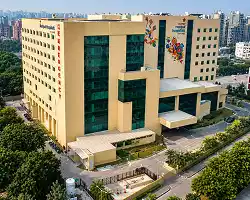
Dwarka - Delhi NCR
-

Patiala
-

Jaipur
-

Vijayawada
-

Salem
-
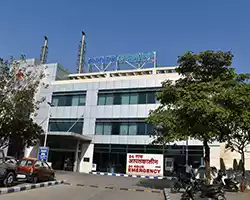
Kharadi - Pune
-

Bhubaneswar
-

Siliguri
-

Ranchi

Didn’t find what you were looking for?
Get in touch with our representatives for help!
Request a CallbackSymptoms of Blood Loss
Common blood loss symptoms include dizziness, weakness, pale skin, rapid heartbeat, low blood pressure, and shortness of breath. In severe cases, a patient may present with confusion, cold extremities, reduced urine output, or loss of consciousness, indicating circulatory compromise.
How We Diagnose Blood Loss
Blood loss diagnosis involves clinical assessment of vital signs, haemodynamic stability, and identification of the bleeding source. Blood tests, including haemoglobin, haematocrit, and coagulation profile, help evaluate severity. Furthermore, imaging, such as ultrasounds or CT scans, may be used to detect internal bleeding. Endoscopic evaluation is used for suspected gastrointestinal sources. In acute cases, continuous monitoring is often required.
Treatment Options
Management aims to control bleeding, restore circulating volume, and treat the underlying cause. Blood loss treatment may include fluid resuscitation, medications, or surgical intervention. In severe cases, an emergency blood transfusion may be needed to stabilise the patient and maintain oxygen delivery.
What to Expect
Patients visiting Emergency care in Manipal Hospitals for blood loss receive immediate assessment to determine severity, source of bleeding, and haemodynamic status. The treatment at this stage is centred around maintaining the airway, breathing, and circulation, as well as intravenous fluids. Vital signs are closely monitored.
Investigations are conducted in parallel to guide further management. These may include laboratory tests, imaging studies, or endoscopic procedures, depending on the suspected source of bleeding. This allows timely and appropriate intervention.
In mild to moderate cases, accident and emergency care experts may involve medications, iron supplementation, or minimally invasive procedures to control bleeding. In acute cases, immediate management may include blood component therapy. To stop active bleeding, doctors may use surgical methods or interventional radiology.
Close monitoring in an intensive care setting may be required for unstable patients. Recovery depends largely on the extent of blood loss and the underlying cause. With timely intervention and appropriate care, most patients can achieve stabilisation and gradual recovery. Follow-up care focuses on preventing recurrence and managing contributing conditions.
Consult our Experts
FAQs
-
When is blood loss considered serious?
Blood loss is considered serious when it leads to haemodynamic instability, such as low blood pressure, rapid pulse, or altered consciousness. Acute, large-volume loss can quickly progress to shock and requires immediate medical intervention.
-
Can blood loss occur without visible bleeding?
Yes. Internal bleeding may not be visible immediately. It can occur in the abdomen, chest, or gastrointestinal tract. Symptoms such as dizziness, weakness, or unexplained anaemia may indicate hidden blood loss, requiring prompt evaluation.
-
How is severe blood loss managed in emergencies?
Severe blood loss is managed through rapid stabilisation, intravenous fluids, blood transfusion, and by controlling the bleeding source. Emergency care focuses on restoring circulation, maintaining oxygen delivery to the tissues, and preventing organ damage.
-
What complications can arise from untreated blood loss?
If blood loss is not managed, the patient may experience hypovolemic shock, organ failure, and even death. Decreased oxygen supply affects critical organs such as the brain, heart, and kidneys. Prompt diagnosis and treatment are critical for the patient's survival.
-
How long does recovery from blood loss take?
Recovery time depends on the amount of blood lost and the underlying cause. Mild cases may recover within days, while severe cases may take weeks. Nutritional support and treatment of the underlying condition are important for a healthy recovery.



You’re on Our Indian Website
Visit the Global site for International patient services
'Click' to chat with us
