.webp "Bile Duct Cancer: Symptoms & Treatment")

Bile Duct Cancer
Bile Duct Cancer
Bile duct cancer, or cholangiocarcinoma, is a relatively uncommon and aggressive cancer arising from the epithelial lining of the bile ducts. It occurs within the liver (intrahepatic) or in the extrahepatic bile ducts and may obstruct bile flow, impairing liver function. Risk factors include bile duct stones, chronic biliary inflammation, primary sclerosing cholangitis, liver fluke infections, and certain congenital abnormalities. Manipal Hospitals offers multidisciplinary oncology care for managing the condition.
Our Locations
-

Old Airport Road - Bengaluru
-
.webp)
Mysuru
-

Mangaluru
-
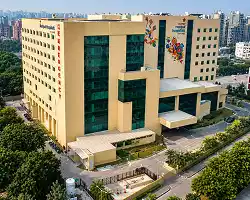
Dwarka - Delhi NCR
-

Patiala
-

Jaipur
-

Vijayawada
-

Salem
-
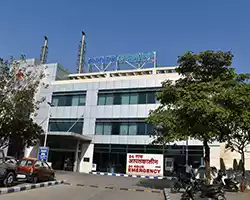
Kharadi - Pune
-

Salt Lake - Kolkata
-

Bhubaneswar
-

Siliguri
-

Ranchi

Didn’t find what you were looking for?
Get in touch with our representatives for help!
Request a CallbackSymptoms of Bile Duct Cancer
Bile duct cancer symptoms may include dark urine, jaundice, pale stools, itching, abdominal pain, unexplained weight loss, and fatigue. Some patients may also experience fever or loss of appetite, especially if there is bile duct obstruction or associated infection (cholangitis).
How We Diagnose Bile Duct Cancer
Bile duct cancer diagnosis involves clinical evaluation, laboratory testing, and imaging studies. Blood tests assess liver function and tumour markers such as CA 19-9. Imaging modalities, including ultrasound, CT scan, MRI, and MRCP, help visualise bile duct abnormalities. Endoscopic procedures such as ERCP, endoscopic ultrasound (EUS), or biopsy help confirm malignancy and assess the extent of disease.
Treatment Options
Bile duct cancer treatment depends on the tumour location, stage, and patient condition. Management may include surgical resection, chemotherapy, and radiation therapy. Palliative procedures such as biliary drainage or stenting help relieve obstruction and improve quality of life.
What to Expect
Patients seeking treatment for bile duct cancer at Manipal Hospitals undergo a comprehensive evaluation to determine tumour location, stage, and overall health status. A multidisciplinary team collaborates to design an individualised treatment plan.
The initial assessment includes detailed imaging, laboratory investigations, and sometimes endoscopic evaluation to confirm the diagnosis and assess resectability. Surgical resection improves the chance of cure in early-stage disease. It may involve removal of affected bile ducts, parts of the liver, or surrounding structures.
For patients with unresectable or advanced disease, treatment focuses on controlling tumour progression and relieving symptoms. Doctors may recommend chemotherapy and radiation therapy to slow disease growth. Endoscopic or percutaneous procedures such as stenting help relieve bile duct obstruction and reduce jaundice.
Supportive care plays an important role in managing symptoms such as pain, nutritional deficiencies, and infection risk. Regular follow-up helps monitor treatment response and detect disease recurrence. Understanding the underlying bile duct cancer causes helps guide long-term management and identify associated conditions. With timely intervention and specialised care, patients can achieve improved symptom control and quality of life.
Consult our Experts
FAQs
-
What are the common causes of bile duct cancer?
Risk factors for bile duct cancer include chronic inflammation of the bile ducts, primary sclerosing cholangitis, bile duct stones, and liver fluke infections. Certain congenital biliary abnormalities may also increase the risk. Chronic irritation of the bile duct lining can lead to malignant transformation.
-
Is bile duct cancer a curable condition?
Bile duct cancer may be curable if detected early and treated with complete surgical removal. However, many cases are diagnosed at an advanced stage, where treatment focuses on controlling disease progression and improving quality of life.
-
Can bile duct cancer spread to other parts of the body?
Yes. Bile duct cancer can spread to nearby lymph nodes, liver tissue, and distant organs if not treated early. Early detection and appropriate management help reduce the risk of metastasis and disease progression.
-
What is the role of stenting in bile duct cancer?
Biliary stenting helps relieve obstruction caused by the tumour. It restores bile flow, reduces jaundice, and provides symptomatic relief, especially in patients who are not suitable for surgery.
-
When should someone seek medical attention?
Patients should seek medical attention if they develop symptoms such as jaundice, persistent abdominal pain, unexplained weight loss, or itching. Early evaluation supports timely diagnosis and improves treatment outcomes.



You’re on Our Indian Website
Visit the Global site for International patient services
'Click' to chat with us
