9.webp "Anal Fistula: Symptoms, Causes & Treatment | Manipal Hospitals")

Anal Fistula
Anal Fistula
An anal fistula is an abnormal tunnel that forms between the anal canal and the skin surrounding the anus. It commonly develops when an infected anal gland leads to a perianal abscess that does not heal completely. Persistent infection, chronic inflammation, inflammatory bowel disease, injury, or previous surgery may also contribute to its development. The condition may cause pain, swelling, and drainage near the anus. Manipal Hospitals provides a comprehensive diagnostic evaluation to confirm an anal fistula and guide appropriate treatment.
Our Locations
-

Old Airport Road - Bengaluru
-
.webp)
Mysuru
-

Mangaluru
-
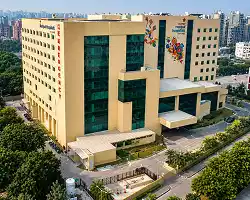
Dwarka - Delhi NCR
-

Patiala
-

Jaipur
-

Vijayawada
-
Salem
-
Kharadi - Pune
-

Salt Lake - Kolkata
-

Ranchi

Didn’t find what you were looking for?
Get in touch with our representatives for help!
Request a CallbackSymptoms of Anal Fistula
Anal fistula symptoms usually develop due to persistent infection and inflammation near the anal glands. Common signs include anal pain, swelling, redness around the anus, and drainage of fluid containing pus or blood. Fever and discomfort during bowel movements may also occur.
How We Diagnose Anal Fistula
Anal fistula diagnosis begins with a detailed medical history and physical examination of the anal region. Doctors assess symptoms such as pain, swelling, and drainage. Anoscopy or proctoscopy may help identify the internal opening. Imaging tests, including MRI or endoscopic ultrasound, may be used to map the fistula tract. Manipal Hospitals provides a comprehensive diagnostic evaluation to confirm anal fistula and guide appropriate treatment.
Treatment Options
Anal fistula treatment focuses on controlling infection and closing the abnormal tract to prevent recurrence. Management commonly includes surgical procedures such as fistulotomy, seton placement, or other specialised techniques. The choice depends on the fistula pathway and surrounding tissue involvement.
What to Expect
Anal fistula management at Manipal Hospitals begins with a detailed consultation with a colorectal specialist. Doctors review symptoms such as pain, swelling and drainage around the anus. A careful physical examination helps identify the external opening of the fistula. Additional evaluation may include anoscopy, proctoscopy, or imaging tests such as MRI or endoscopic ultrasound. These tests help determine the pathway of the fistula and the extent of surrounding tissue involvement.
After confirming the diagnosis, proctology specialists create an individualised treatment plan based on the fistula type and associated infection. Surgical options may include fistulotomy, seton placement, or other specialised procedures. These procedures remove infection and close the abnormal tract. The goal is to treat the fistula while preserving normal bowel control. Following treatment, patients receive guidance on wound care, hygiene, and symptom monitoring.
During follow-up visits, doctors monitor healing and assess recovery progress. Guidance on diet, bowel habits, and hygiene may be provided to support recovery and reduce complications. Anal fistula treatment at Manipal Hospitals includes continued evaluation to detect recurrence or infection. This helps ensure appropriate long-term care.
Consult our Experts
FAQs
-
Can an anal fistula occur at any age?
Yes, an anal fistula can occur in adults of different age groups, although it is more common in males. The condition usually develops after an infected anal gland forms an abscess and does not heal completely.
-
Is the anal fistula diagnosis painful?
Anal fistula diagnosis usually involves a physical examination of the anal area. Some discomfort may occur if inflammation or infection is present. In certain situations, doctors may perform the examination under anaesthesia to reduce pain.
-
Can an anal fistula heal without treatment?
Most anal fistulas do not heal on their own because the infection persists inside the tract. Proper anal fistula treatment is often required to remove infection and close the abnormal passage.
-
What complications can occur if an anal fistula is untreated?
Untreated fistulas may lead to persistent infection, repeated abscess formation, and ongoing drainage. In some cases, the tract may extend or form additional channels, making the condition more complex to treat.
-
When should someone seek medical advice for anal fistula symptoms?
Medical evaluation is recommended when anal fistula symptoms such as persistent anal pain, swelling, or discharge occur. Early assessment helps identify the condition and prevents recurrent infection or complications.



You’re on Our Indian Website
Visit the Global site for International patient services
'Click' to chat with us
