.webp "Adrenal Insufficiency: Symptoms & Treatment")

Adrenal insufficiency
Adrenal insufficiency
Adrenal insufficiency occurs when the adrenal glands do not produce enough of certain vital hormones, notably cortisol and sometimes aldosterone. These hormones play a vital role in regulating blood pressure, metabolism, and the body's response to stress. Adrenal insufficiency causes are varied and may include autoimmune damage to the adrenal glands, infections, genetic disorders, or problems affecting the pituitary gland. Manipal Hospitals offers a multidisciplinary approach for the management of adrenal insufficiency.
Our Locations
-

Old Airport Road - Bengaluru
-
.webp)
Mysuru
-

Mangaluru
-
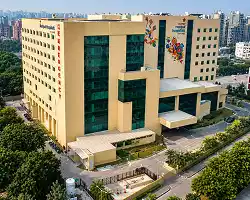
Dwarka - Delhi NCR
-

Patiala
-

Jaipur
-

Vijayawada
-

Salem
-
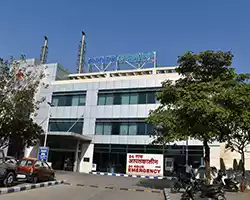
Kharadi - Pune
-

Salt Lake - Kolkata
-

Bhubaneswar
-

Siliguri
-

Ranchi

Didn’t find what you were looking for?
Get in touch with our representatives for help!
Request a CallbackSymptoms of Adrenal insufficiency
Common adrenal insufficiency symptoms include fatigue, muscle weakness, unexplained weight loss, low blood pressure, dizziness, nausea, abdominal pain, and salt cravings. Some individuals may experience skin darkening and recurrent episodes of low blood sugar.
How We Diagnose Adrenal insufficiency
Adrenal insufficiency diagnosis is based on clinical history, physical examination, and laboratory evaluation of hormone levels. Doctors may recommend blood tests to measure cortisol and adrenocorticotropic hormone (ACTH) levels. An ACTH stimulation test may be performed to evaluate adrenal gland function. Imaging studies such as CT or MRI may also be used to visualise the adrenal glands or the pituitary gland.
Treatment Options
Adrenal insufficiency treatment involves replacing the hormones that the body cannot produce in sufficient amounts. Doctors usually prescribe corticosteroid medications such as hydrocortisone or prednisone. In some cases, mineralocorticoid therapy to maintain electrolyte balance and blood pressure may also be recommended.
What to Expect
Expert endocrinologists at Manipal Hospitals, patients with adrenal insufficiency require long-term medical management. This therapy helps replace the hormones that the body cannot produce in adequate amounts and supports normal body functions. Treatment generally involves daily corticosteroid medications. These medications replace the cortisol that the adrenal glands normally produce. In addition, people with primary adrenal insufficiency may require mineralocorticoid replacement therapy to help regulate sodium levels and blood pressure.
Doctors may adjust medication doses based on symptoms, laboratory parameters, and response to treatment. During periods of physical stress, patients with adrenal insufficiency may require increased medication doses to prevent complications.
Regular follow-up visits allow healthcare providers to monitor hormone levels, blood pressure, electrolyte balance, and the patient’s overall health. Patients also receive guidance on medical alert identification. They are given instructions on emergency steroid injections in case of severe illness or when they are unable to take their usual oral medication.
Most patients with adrenal insufficiency can maintain their regular daily activities and enjoy a good quality of life with proper treatment, education, and regular medical checkups.
Consult our Experts
FAQs
-
What are the major causes of adrenal insufficiency?
Adrenal insufficiency causes may include autoimmune destruction of the adrenal glands, infections such as tuberculosis, and genetic disorders. Bleeding into the adrenal glands or disorders affecting the pituitary gland may also lead to this condition.
-
Do adrenal insufficiency patients need steroid dose adjustments during illness?
Yes. People with adrenal insufficiency often require a temporary increase in steroid medication during illness, injury, surgery, or severe stress. These “stress-dose” adjustments help to prevent adrenal crisis and maintain adequate cortisol levels in the body.
-
How do primary and secondary adrenal insufficiency differ?
Primary adrenal insufficiency occurs when the adrenal glands are damaged and cannot produce sufficient hormones. Secondary adrenal insufficiency develops when the pituitary gland fails to produce enough ACTH, the hormone that stimulates cortisol production in the adrenal glands.
-
What lifestyle precautions should people with adrenal insufficiency follow?
Patients with adrenal insufficiency are advised to take medications as prescribed, attend routine medical follow-ups, and carry medical alert identification. They are also educated about the signs and symptoms of adrenal crisis and provided with emergency medication if needed.
-
Is adrenal insufficiency a lifelong condition?
In many cases, particularly in primary adrenal insufficiency, people require lifelong hormone replacement therapy. However, secondary adrenal insufficiency caused by temporary pituitary suppression may improve once the underlying cause is identified and treated.



You’re on Our Indian Website
Visit the Global site for International patient services
'Click' to chat with us
