

Acute Respiratory Distress Syndrome (ARDS)
Acute Respiratory Distress Syndrome (ARDS)
Acute Respiratory Distress Syndrome (ARDS) is a severe lung condition characterised by the accumulation of fluid in the alveoli of the lungs. This fluid accumulation prevents oxygen from reaching the bloodstream, leading to severe breathing difficulties. ARDS develops as a complication of pneumonia, sepsis, severe injury, or inhaling harmful substances. Proper diagnosis and supportive care are critical to the management of ARDS. Manipal Hospitals offers comprehensive care for patients with ARDS.
Our Locations
-

Old Airport Road - Bengaluru
-
.webp)
Mysuru
-

Mangaluru
-
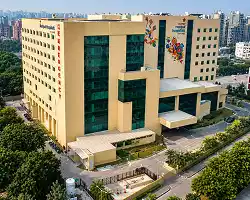
Dwarka - Delhi NCR
-
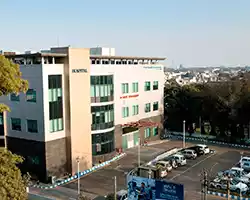
Patiala
-

Jaipur
-

Vijayawada
-

Salem
-
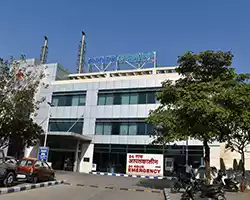
Kharadi - Pune
-

Salt Lake - Kolkata
-

Bhubaneswar
-

Siliguri
-

Ranchi

Didn’t find what you were looking for?
Get in touch with our representatives for help!
Request a CallbackSymptoms of Acute Respiratory Distress Syndrome (ARDS)
ARDS symptoms depend on the severity and may appear suddenly. Symptoms include severe shortness of breath, rapid breathing, low blood oxygen levels, and fatigue. Additionally, confusion and bluish discolouration of the lips or nails may occur due to inadequate oxygen supply.
How We Diagnose Acute Respiratory Distress Syndrome (ARDS)
ARDS diagnosis is based on clinical evaluation and diagnostic tests. Doctors evaluate symptoms and may recommend a chest X-ray or CT scan to detect fluid in the lungs. Blood tests and pulse oximetry help to measure oxygen levels constantly. An electrocardiogram (ECG) may be performed to assess heart activity. Samples of airway secretion may help to identify infections.
Treatment Options
ARDS treatment primarily aims to improve oxygen levels and support lung function. Patients usually require oxygen therapy and may need mechanical ventilation. Treatment also involves managing the underlying cause, such as trauma, infection, or severe inflammation.
What to Expect
At Manipal Hospitals, ARDS patients are admitted to the intensive care unit for monitoring and supportive care. Since ARDS disrupts oxygen exchange in the lungs, treatment focuses on maintaining an adequate oxygen supply to the rest of the body. It also focuses on treating the underlying disease.
Some patients require supplementary oxygen, and many need mechanical ventilation to support breathing. Mechanical ventilation is provided by a ventilator that delivers oxygen and supports breathing until the lungs begin to recover. When needed, doctors and support staff carefully adjust the ventilator settings to minimise further lung injury and optimise the oxygen delivery.
Apart from respiratory support, treatment also involves management of the underlying cause of ARDS, such as severe infection, sepsis, or trauma. Intravenous fluids, medications and other supportive care may be administered to patients to stabilise their condition. The medical team monitors organ function, blood oxygen levels, and fluid balance.
Patients recover from ARDS at varying rates. Some patients recover within a few weeks, while others may need prolonged stays in the intensive care unit. Early diagnosis, treatment, and careful monitoring help improve a patient's chances of survival and recovery.
Consult our Experts
FAQs
-
What are the causes of Acute Respiratory Distress Syndrome (ARDS)?
Acute Respiratory Distress Syndrome (ARDS) usually develops as a complication of severe illnesses or injuries that are known to damage the lungs. Common ARDS causes include pneumonia, sepsis, severe trauma, aspiration of stomach contents, and inhalation of harmful substances.
-
Can ARDS develop suddenly?
Yes, ARDS can develop rapidly, usually within hours or a few days. The condition is likely to develop after a severe illness or injury such as pneumonia, sepsis, trauma, or aspiration. Early recognition and prompt intensive medical care are essential.
-
Can ARDS cause long-term complications?
Some patients who recover from ARDS may experience certain long-term effects such as reduced lung function, muscle weakness, or fatigue. Recovery rates vary depending on the severity of lung injury and overall health.
-
How does ARDS affect the lungs?
In ARDS, inflammation causes the accumulation of fluid in the lung air sacs. This condition reduces oxygen transfer into the bloodstream and leads to severe breathing difficulty and low oxygen levels in the body.
-
Is mechanical ventilation essential in ARDS treatment?
Not every ARDS patient requires mechanical ventilation. Mild cases may be managed with oxygen therapy. However, patients with severe breathing difficulty often require ventilator support to maintain adequate oxygen levels.



You’re on Our Indian Website
Visit the Global site for International patient services
'Click' to chat with us
