5 Min Read
Knee pain can slowly take away the joy of simple moments, such as walking in the park, climbing stairs, or even standing comfortably for long periods. For many patients, partial knee replacement surgery becomes a life-changing solution when medications and physiotherapy no longer provide relief.
At Manipal Hospital Kharadi, we often meet patients who are not just worried about the surgery but, more importantly, about what comes after it. How long will recovery take? Will I walk normally again? When can I return to my routine?
This guide is designed to answer all those questions in a simple, practical, and reassuring way.
Synopsis
What is Partial Knee Replacement?
A partial knee replacement surgery, also known as unicompartmental knee replacement, is a minimally invasive procedure where only the damaged portion of the knee joint is replaced, preserving healthy bone and ligaments.
Compared to total knee replacement, this approach offers:
-
Faster healing
-
Less pain after surgery
-
Smaller incision
-
More natural knee movement
Partial Knee Replacement Recovery Time: What to Expect
Understanding the partial knee replacement recovery time helps reduce anxiety and sets realistic expectations. Recovery is a journey, not a race, and every patient heals at their own pace.
Immediate Recovery (Day 1–7)
Right after surgery:
-
You may start walking within 24 hours with support
-
Mild pain and swelling are common
-
Physiotherapy begins early to restore movement
Emotional reality:
This phase can feel overwhelming. Many patients fear moving their knee—but gentle movement is the first step toward healing.
Early Recovery (Weeks 2–6)
During this phase:
-
Walking becomes easier with less dependence on support
-
Swelling gradually reduces
-
Range of motion improves significantly
You’ll likely:
-
Resume basic daily activities
-
Begin light exercises at home
Tip: Consistency in physiotherapy is more important than intensity.
Mid Recovery (6 Weeks–3 Months)
This is where real progress becomes visible:
-
Most patients walk independently
-
Pain reduces drastically
-
Strength and balance improve
You may:
-
Return to office work
-
Drive short distances (if advised)
This is when most people notice improvement in partial knee replacement recovery time.
Full Recovery (3–6 Months)
By now:
-
You regain near-normal mobility
-
Activities like walking, light jogging, or cycling feel comfortable
-
The knee feels stable and natural
Partial Knee Replacement Success Rate
One of the most reassuring aspects is the high partial knee replacement success rate.
-
Success rates range between 90–95%
-
Implants can last 10–15 years or more
-
Patients report significant pain relief and improved mobility
At Manipal Hospital Kharadi, advanced surgical techniques and personalised rehabilitation plans further improve outcomes.
Real-Life Recovery Story
A 58-year-old patient came to us struggling with severe knee pain that made even short walks difficult. She avoided social gatherings because standing for long periods became unbearable.
After undergoing partial knee replacement surgery, she was hesitant during the first week. But with guided physiotherapy and family support, she slowly regained confidence.
By the third month, she walked into the hospital for her follow-up—without support, smiling, and sharing how she had resumed her morning walks.
Recovery is not just physical, it’s emotional. It’s about getting your life back.
Knee Surgery Recovery Tips for Faster Healing
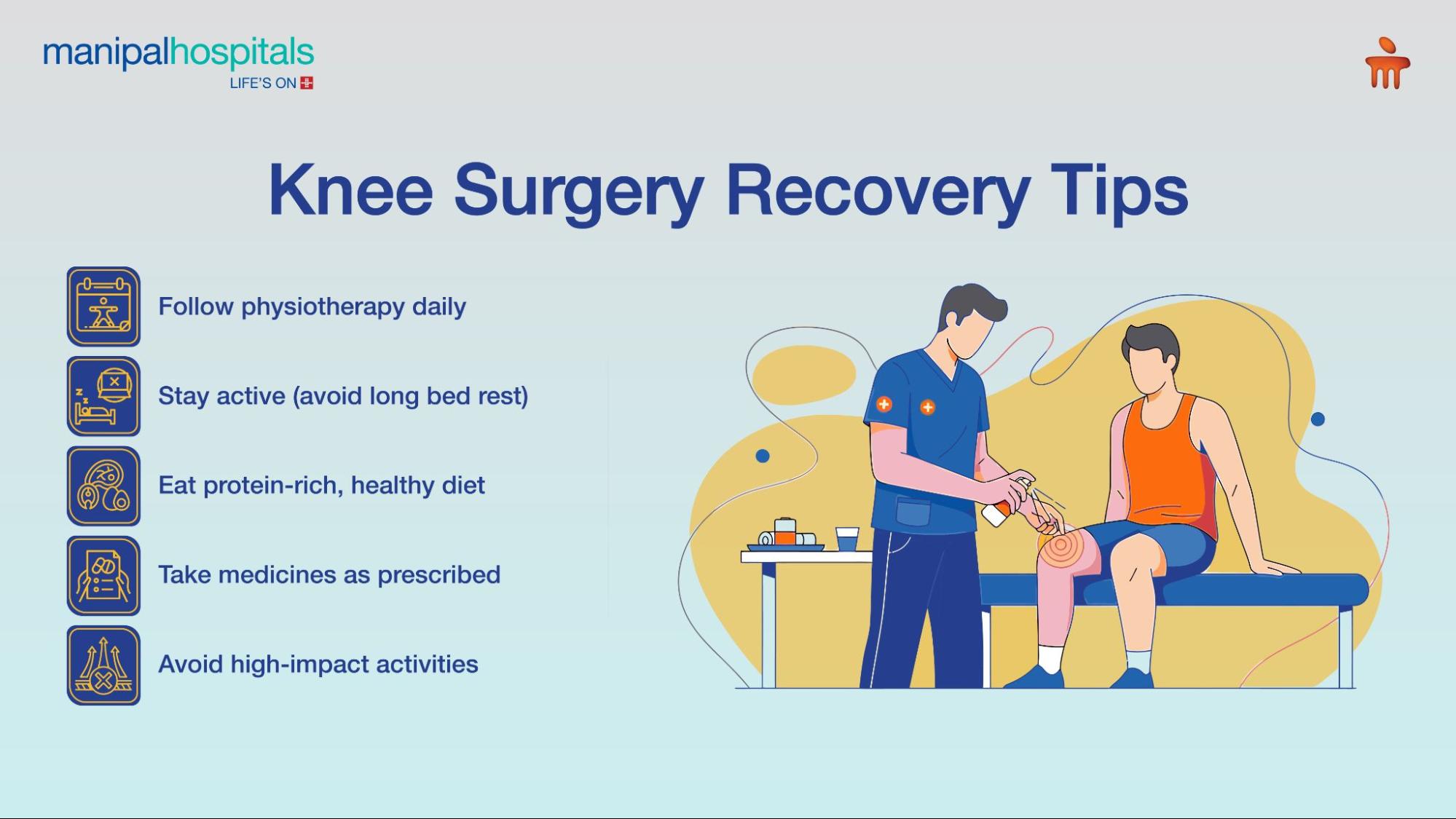
Recovering well depends not only on surgery but also on what you do after it. Here are some practical knee surgery recovery tips:
Follow Physiotherapy Religiously
Skipping exercises delays recovery. Even simple movements improve flexibility and strength.
Manage Pain Smartly
Take medications as prescribed. Don’t wait for pain to become severe.
Keep Moving
Avoid long periods of sitting or lying down. Gentle movement prevents stiffness.
Maintain a Healthy Diet
Include:
-
Protein for healing
-
Calcium for bone strength
-
Anti-inflammatory foods
-
Avoid High-Impact Activities
-
Running, jumping, or heavy lifting should be avoided initially.
Common Challenges During Recovery
Recovery isn’t always smooth, and that’s okay.
Some common concerns include:
-
Swelling that lasts for weeks
-
Difficulty bending the knee initially
-
Fear of putting weight on the leg
Important: These challenges are temporary. With the right care, improvement is gradual but steady.
When to Call Your Doctor
While most recoveries are smooth, seek medical advice if you notice:
-
Persistent swelling or redness
-
Severe pain not improving
-
Fever or signs of infection
Early intervention ensures better outcomes.
Life After Partial Knee Replacement
After recovery, most patients:
-
Walk comfortably without pain
-
Resume daily routines
-
Enjoy a better quality of life
However, long-term care is essential:
-
Maintain a healthy weight
-
Stay active but avoid strain
-
Follow regular checkups.
Why Choose Manipal Hospital Kharadi?
Choosing the right hospital plays a crucial role in recovery.
At Manipal Hospital Kharadi, patients benefit from:
-
Experienced orthopaedic surgeons
-
Advanced minimally invasive techniques
-
Personalised rehabilitation programs
-
Comprehensive post-surgery support
Our approach focuses not just on surgery but on complete recovery and long-term mobility.
Conclusion
A partial knee replacement surgery is not just about fixing a joint—it’s about restoring independence, confidence, and comfort.
Yes, recovery takes time. There may be moments of doubt. But with the right care, guidance, and mindset, most patients return to a pain-free and active life.
If knee pain has been holding you back, remember healing is possible, and every step forward matters.
FAQ's
Most patients recover within 3 to 6 months, though improvement continues beyond that.
It is ideal when damage is limited to one part of the knee, offering faster recovery and more natural movement.
The partial knee replacement success rate is around 90–95%, making it a reliable option.
Most patients walk independently within 4–6 weeks, depending on recovery progress.
Regular physiotherapy, staying active, eating well, and following medical advice are key to faster recovery.
Share this article on: