6 Min Read
Living with epilepsy can present unique challenges, but with the right knowledge, medical care, and supportive community, a fulfilling life is not just possible—it's the reality for a significant majority. This comprehensive guide will delve into understanding epilepsy symptoms, exploring effective epilepsy treatment options, including medication and surgical considerations, and empowering you to manage triggers for better epilepsy management.
Synopsis
Understanding Epilepsy: A Comprehensive Overview
What is Epilepsy?
Epilepsy is a chronic neurological disorder characterised by recurrent, unprovoked seizures. These seizures are sudden, uncontrolled disturbances in the brain caused by abnormal electrical activity, which can affect a person’s movement, behaviour, feelings, and consciousness. Globally, over 50 million people live with epilepsy, yet with proper care, a significant majority—up to 70%—can achieve full seizure control and lead normal, productive lives.
What are the Causes of Epilepsy?
The causes of epilepsy can be diverse, and in about half of all cases, no specific cause can be identified (idiopathic epilepsy). However, common contributing factors include:
-
Genetic Predisposition: Some types of epilepsy run in families, suggesting a genetic link.
-
Brain Injury: Traumatic brain injury, stroke, or lack of oxygen to the brain during birth can lead to epilepsy.
-
Brain Tumours or Infections: Tumours, meningitis, encephalitis, or neurocysticercosis can damage brain tissue and cause seizures.
-
Developmental Abnormalities: Congenital brain malformations that occur before birth.
-
Vascular Diseases: Conditions affecting blood vessels in the brain, such as stroke, are a leading cause of epilepsy in older adults.
-
Autoimmune Conditions: Rarely, the body's immune system can mistakenly attack brain cells, leading to inflammation and seizures.
Epilepsy Symptoms and Diagnosis
Recognizing Epilepsy Symptoms
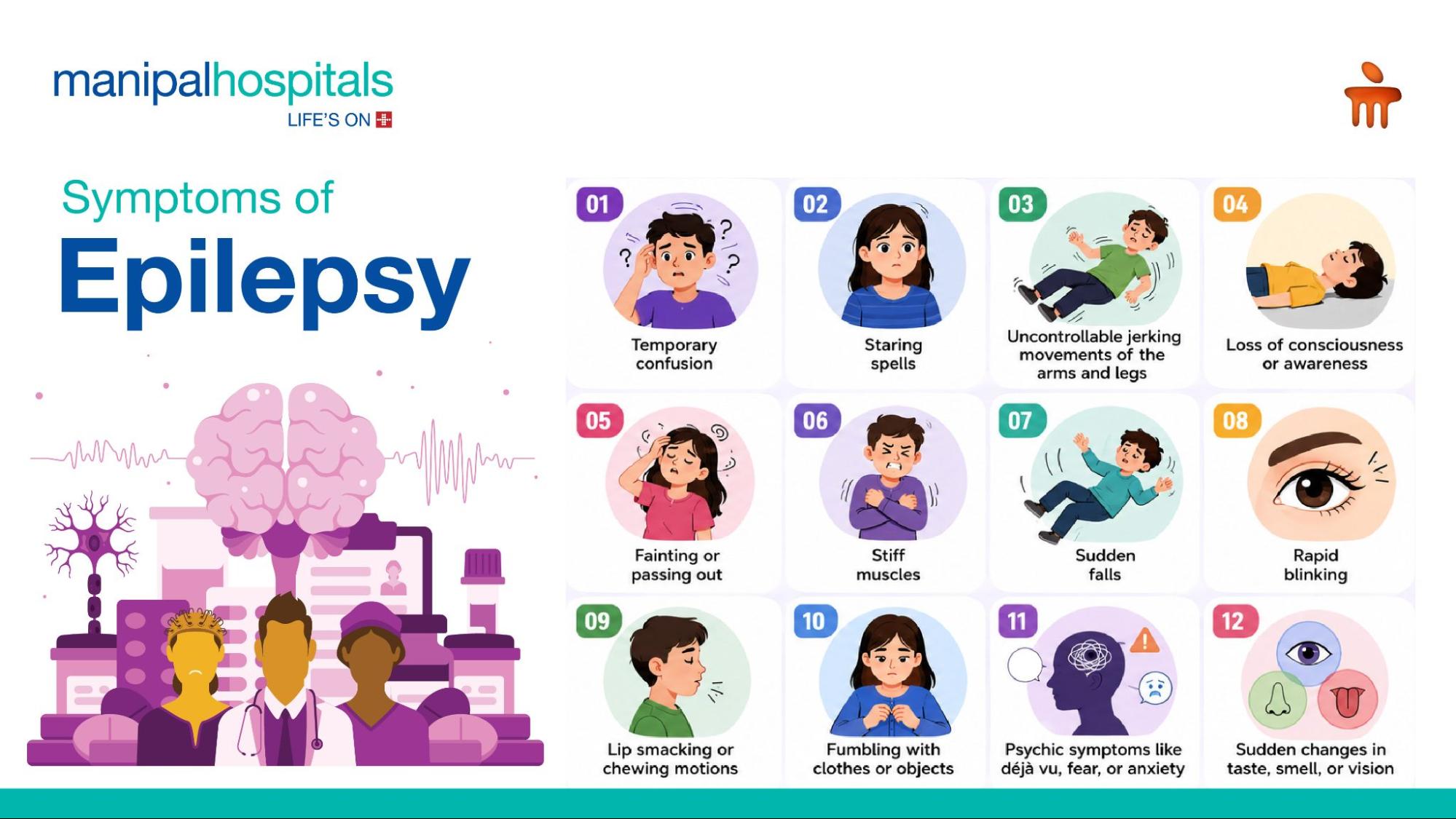
Epilepsy symptoms can vary widely depending on the type of seizure and the area of the brain affected. Seizures can manifest in many ways, from subtle changes in awareness to full-body convulsions. Common epilepsy symptoms include:
-
Temporary Confusion: A brief period of disorientation.
-
Staring Spells: Often mistaken for daydreaming, particularly in children (absence seizures).
-
Uncontrolled Jerking Movements: Of the arms and legs (tonic-clonic or grand mal seizures).
-
Loss of Consciousness or Awareness: Periods where the person is unresponsive to their surroundings.
-
Psychic Symptoms: Such as fear, anxiety, or déjà vu.
-
Sensory Disturbances: Experiencing unusual smells, tastes, or feelings (auras).
Recognising these symptoms is the first step towards an accurate epilepsy diagnosis and effective seizure treatment.
The Journey to Epilepsy Diagnosis
An accurate epilepsy diagnosis involves a thorough medical history, a detailed account of seizure events (often from eyewitnesses), and various diagnostic tests. At Manipal Hospitals, we utilise state-of-the-art technology to ensure precise diagnosis:
-
Neurological Exam: To test motor abilities, behaviour, and mental function.
-
Blood Tests: To rule out other conditions that might cause seizures.
-
Electroencephalogram (EEG): This is the most common test, measuring electrical activity in the brain. Abnormal patterns can indicate epilepsy. Advancements in neuroimaging and diagnostic tools have improved the accuracy of epilepsy diagnosis by over 90% in recent years.
-
Imaging Scans: MRI (Magnetic Resonance Imaging), CT scans, and PET scans can help identify brain lesions, tumours, or other structural abnormalities.
Effective Epilepsy Treatment Strategies
Effective epilepsy treatment focuses on controlling seizures, minimising side effects, and improving quality of life. The good news is that for many, epilepsy is manageable. Studies show that with appropriate anti-seizure medications, approximately 7 out of 10 individuals with epilepsy can achieve full or substantial control over their seizures.
Medication: The First Line of Seizure Treatment
For most individuals, anti-seizure medications (ASMs) are the primary approach to epilepsy treatment. These medications work by reducing the excitability of brain cells or enhancing inhibitory pathways, thereby preventing seizures. The choice of medication depends on the type of seizures, individual tolerance, and potential side effects. Our expert neurologists at Manipal Hospitals meticulously tailor medication regimens to each patient, ensuring optimal epilepsy management with minimal adverse effects.
Adherence to medication schedules is crucial for successful seizure treatment. Regular follow-ups with your neurologist are essential to monitor effectiveness and adjust dosages as needed.
Identifying and Managing Triggers
While medications are vital, understanding and avoiding seizure triggers can significantly enhance epilepsy management. Common triggers include:
-
Sleep Deprivation: Irregular sleep patterns can lower the seizure threshold.
-
Stress: High levels of emotional or physical stress.
-
Alcohol or Drug Use: Excessive consumption can provoke seizures.
-
Flashing Lights: For individuals with photosensitive epilepsy.
-
Missed Medication Doses: Inconsistent adherence to prescribed regimens.
-
Illness or Fever: Can sometimes lower the seizure threshold.
-
Certain Medications: Interactions with other drugs.
Keeping a seizure diary can help identify personal triggers, enabling you to make lifestyle adjustments that contribute to better epilepsy management.
When to Consider Epilepsy Surgery
For a subset of patients whose seizures are not adequately controlled by medication (medication-resistant epilepsy), surgery may be a viable and highly effective option. This decision is made after a comprehensive evaluation by a multidisciplinary team at Manipal Hospitals, including neurologists, neurosurgeons, and neurophysiologists.
Epilepsy surgery aims to remove or disconnect the area of the brain where seizures originate. Types of surgery include:
-
Resective Surgery: Removing the specific part of the brain that causes seizures. This is most effective when seizures originate from a single, well-defined area. For carefully selected candidates, epilepsy surgery boasts impressive success rates, with up to 70-80% experiencing significant seizure reduction or even complete freedom from seizures.
-
Disconnection Procedures: Severing neural pathways that allow seizures to spread.
-
Palliative Procedures: Such as Vagus Nerve Stimulation (VNS) or Responsive Neurostimulation (RNS), which involve implanting devices to help control seizures when resection is not possible.
The dedicated neurosurgery team at Manipal Hospitals utilises advanced imaging and monitoring techniques to precisely locate seizure foci, maximising safety and efficacy for patients considering this option.
Care Essentials: Do's and Don'ts
Do's:
-
Do take your medication as prescribed: Consistency is key to effective seizure treatment.
-
Do get adequate sleep: Maintain a regular sleep schedule.
-
Do identify and avoid your triggers: Keep a seizure diary to track potential triggers.
-
Do inform others: Let family, friends, and colleagues know about your condition and what to do during a seizure.
-
Do carry identification: Consider wearing a medical ID bracelet.
-
Do maintain open communication: Regularly discuss your condition and any changes with your healthcare team at Manipal Hospitals.
Don'ts:
-
Don't skip medication: Even one missed dose can increase seizure risk.
-
Don't ignore new symptoms: Report any changes in seizure patterns or side effects to your doctor.
-
Don't self-medicate: Avoid herbal remedies or supplements without consulting your neurologist.
-
Don't drive if you're not seizure-free: Adhere to local driving regulations for individuals with epilepsy.
-
Don't isolate yourself: Seek support from family, friends, or support groups.
If you or a loved one is navigating the complexities of epilepsy, remember that hope and effective management are within reach. At Manipal Hospitals, our dedicated team of neurologists, neurosurgeons, and support staff is committed to providing personalised, compassionate care, ensuring you have the best possible outcomes for epilepsy management.
If you are experiencing these symptoms or have concerns about an epilepsy diagnosis and epilepsy management, it's crucial to seek timely medical advice. Book an appointment with our expert neurologists at Manipal Hospitals today.
FAQ's
While there is currently no universal cure for epilepsy, for many individuals, epilepsy treatment can successfully control seizures, allowing them to live seizure-free. In some cases, especially after successful surgery, individuals may achieve complete freedom from seizures.
The duration of medication varies. Many people with epilepsy need to take anti-seizure medications long-term. However, some individuals, particularly children, may be able to gradually discontinue medication under strict medical supervision if they have been seizure-free for several years.
In many cases, epilepsy is not hereditary. However, certain types of epilepsy do have a genetic component, meaning there's an increased risk if a close family member has the condition. It's important to discuss your family history with your neurologist.
Absolutely. Alongside medication, lifestyle changes such as maintaining regular sleep, managing stress, avoiding known triggers, and a healthy diet are crucial components of effective epilepsy management.
Stay calm. Ease the person to the floor, clear the area of any hard or sharp objects. Turn them gently onto one side to help with breathing. Place something soft under their head. Loosen tight clothing around the neck. Do NOT put anything in their mouth. Time the seizure. Call for medical help if the seizure lasts longer than 5 minutes, if the person is injured, pregnant, or has difficulty breathing afterward.
Yes, seizures are broadly categorised into focal seizures (originating in one part of the brain) and generalised seizures (involving both sides of the brain). Each category has several subtypes, manifesting with different epilepsy symptoms. An accurate epilepsy diagnosis helps determine the specific type for targeted seizure treatment.
Share this article on: