8 Min Read

Every single day, we touch hundreds of surfaces without thinking twice about it. We grab door handles, scroll on our phones, hold onto bus handrails, and use shared desks at work. Most of the bacteria and viruses around us are harmless, but some cause infections that spread fast from one person to another. Seasonal colds, stomach upsets, and chest infections often run through whole families and offices simply because someone forgot to wash their hands or sneezed openly in a crowded room.
In healthcare facilities, preventing germ spread matters even more because patients are already unwell and recovering from operations or serious conditions. Proper infection control and prevention isn't difficult, but it requires regular daily attention. In this blog, we will discuss the practical infection control practices, how to clean your hands properly, why taking antibiotics without a prescription causes harm, and the simple everyday steps that keep you and your family safe.
Synopsis
Why Infection Control Matters
Microorganisms travel easily. When an infected person sneezes or coughs, they expel droplets containing pathogens into the air. Other people inhale these droplets or pick them up from contaminated surfaces before touching their eyes, nose, or mouth.
In a community setting, such behaviour leads to sudden spikes in seasonal illness. In a clinical facility, strict hospital infection control prevents cross-contamination between patients, visitors, and healthcare staff. The same practical principles that keep hospital wards safe can be used in your home to protect older relatives, young children, and anyone with a lowered immune system.
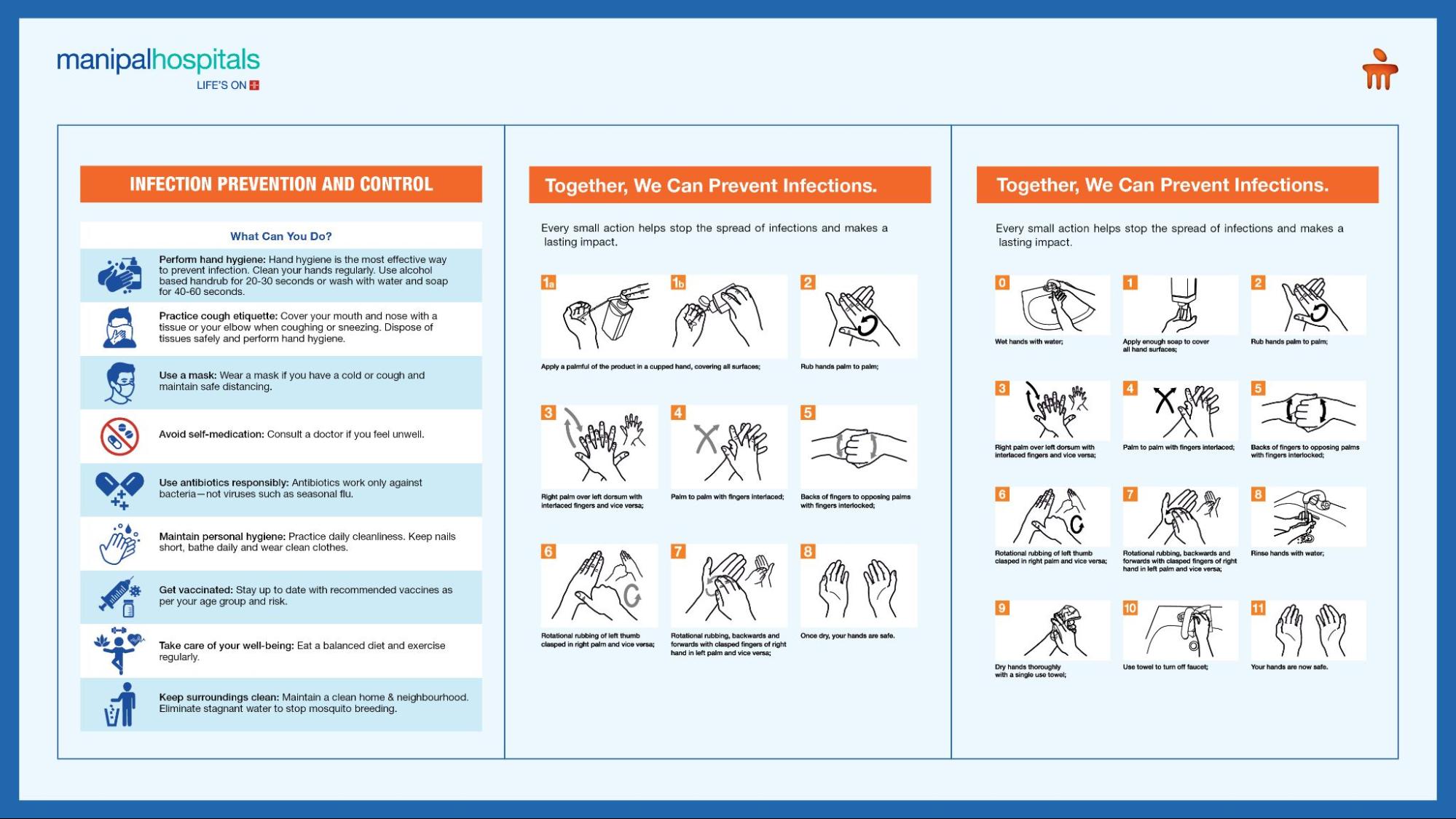
Core Habits for Preventing the Spread of Germs
Simple personal actions break the cycle of transmission. The following measures form the foundation of day-to-day infection prevention:
1. Proper Hand Hygiene
Cleaning your hands regularly is the single most effective way to stop infections from spreading. Throughout the day, you pick up germs without even realising it. Washing your hands with soap and water removes physical dirt and micro-organisms, while an alcohol-based handrub kills bacteria and viruses on skin surfaces.
2. Cough and Sneeze Etiquette
Whenever you cough or sneeze, cover your mouth and nose with a disposable paper tissue or cough directly into the crook of your elbow rather than into your bare hands. Throw used tissues into a bin immediately and clean your hands straight away. If you have a cough, cold, or fever, wearing a mask when around other people and keeping a safe physical distance prevents respiratory droplets from travelling across the room.
3. Responsible Antibiotic Use
Antibiotics are valuable medicines, but they only treat infections caused by bacteria. They have zero effect against viruses, which means they will not cure the common cold, viral bronchitis, or seasonal influenza. Taking leftover antibiotics or buying them over the counter without a doctor’s guidance is dangerous. It alters the balance of good bacteria in your gut and contributes to antimicrobial resistance, where bacteria change and no longer respond to standard medicines. Always consult a physician when you feel unwell and take prescribed courses exactly as directed.
4. Personal Cleanliness
Practising daily hygiene reduces the number of bacteria living on your skin. Bathe daily, put on clean clothes, and keep your fingernails trimmed short. Dirt and moisture gather easily beneath long nails, making it easy to transfer microbes onto food or onto broken skin when you scratch an itch.
5. Vaccines and General Health
Vaccinations train your immune system to recognise specific diseases before you encounter them. Staying up to date with your routine immunisations, including seasonal flu jabs and tetanus boosters, significantly lowers your risk of serious illness. Alongside vaccines, eating balanced meals and exercising regularly helps keep your baseline health resilient.
6. Clean Living Spaces
Infections do not just spread from person to person; they also spread through the environment. Keep your living areas tidy and wipe down high-touch household surfaces regularly. Ensure that open containers, plant saucers, and discarded items around your compound do not hold stagnant water, because standing water provides a breeding site for mosquitoes that transmit dengue and chikungunya.
Hand Hygiene Steps: Getting the Technique Right
A quick splash of water under the tap is not enough to remove bacteria. Following the correct hand hygiene steps ensures you cover all areas of your hands, including the thumbs and spaces between your fingers.
Technique for Soap and Water (40 to 60 Seconds):
-
Wet your hands thoroughly with clean water.
-
Apply enough soap to cover all surfaces of your hands.
-
Rub your hands palm to palm.
-
Place your right palm over the back of your left hand with fingers interlaced, rub thoroughly, and repeat on the other side.
-
Put your palms together and interlace your fingers.
-
Lock the backs of your fingers into opposing palms and rub side to side.
-
Clasp your left thumb in your right palm, rub it in a rotational motion, and switch hands.
-
Rub the fingertips of your right hand backwards and forwards in a circular motion against your left palm, then do the same on the right palm.
-
Rinse your hands thoroughly under running water.
-
Dry your hands completely using a clean, single-use paper towel.
-
Use the towel to turn off the tap to avoid contaminating your clean hands.
Technique for Alcohol-Based Handrub (20 to 30 Seconds):
-
Apply a palmful of handrub liquid or gel into a cupped hand, using enough to cover the entire skin surface.
-
Follow the exact same rubbing motions: palm to palm, over the backs of the hands with interlaced fingers, between the fingers, back of fingers, thumbs, and fingertips.
-
Continue rubbing until the alcohol dries completely. Once dry, your hands are clean.
Choosing the Right Method: Soap vs Handrub
|
Parameter |
Plain Soap and Water |
Alcohol-Based Handrub |
|
Time Required |
40 to 60 seconds |
20 to 30 seconds |
|
Visible Dirt |
Required; physically washes away grime and organic matter |
Ineffective on visibly soiled or greasy hands |
|
Access to Water |
Needs a clean running water supply and towels |
Completely portable; no water or towels needed |
|
Toilet / Meal Times |
Preferred after using the washroom and before meals |
Useful between routine daily tasks and on public transport |
|
Skin Tolerance |
Frequent washing can cause dryness if hands are not dried gently |
Formulations often contain emollients to protect skin |
Infection Control in Healthcare Settings
Visiting a loved one in hospital requires extra attention to hygiene. Healthcare spaces bring together individuals dealing with surgical wounds, intravenous lines, and lowered immunity.
You can support clinical teams by observing a few basic rules:
-
Clean your hands using the wall-mounted handrub dispensers before entering and immediately after leaving a patient's room.
-
Do not sit on the patient's bed or place personal belongings, such as bags or coats, on clinical tables.
-
If you have an active cough, fever, runny nose, or upset stomach, postpone your visit until you are fully recovered.
-
Keep visits to the permitted hours and avoid bringing large groups of visitors into inpatient areas.
-
Follow any specific barrier nursing or isolation instructions posted outside patient rooms, including wearing gowns or gloves when requested.
Conclusion
Effective infection control and prevention come down to regular, everyday habits. Cleaning your hands properly, coughing into your elbow, keeping your living spaces clean, and practising responsible antibiotic use are simple steps that protect everyone around you. When each person takes responsibility for basic cleanliness, we reduce the burden of seasonal bugs and create safer spaces in our homes, schools, and hospitals. If you feel unwell, develop a high fever, or have questions about vaccinations, the medical team at Manipal Hospital Hebbal is available to provide proper clinical guidance, support and infection treatments.
FAQ's
You must wash with soap and water whenever your hands are visibly dirty, greasy, or stained with food or soil; after using the toilet, after changing a child's nappy, and when caring for someone with vomiting or diarrhoea, because alcohol rub does not destroy certain bacterial spores.
Antibiotics are designed to target the specific cellular structures of bacteria. Viruses cause colds, sore throats, and the flu, and they have completely different biological structures. Because of these differences, antibiotics cannot kill viruses. Taking them for a viral bug does not help you recover and increases the risk of side effects and antibiotic-resistant bacteria.
When using soap and water, the entire washing and rinsing process should take between 40 and 60 seconds. If you are using an alcohol handrub, rubbing your hands through all the required motions should take between 20 and 30 seconds until the liquid has completely evaporated.
The narrow space under your fingernails collects dirt, dead skin, and bacteria easily. This area is difficult to clean thoroughly during routine handwashing. Keeping nails short and clean prevents bacteria from building up and reduces the chance of transferring pathogens onto food or skin.
Cough etiquette means covering your mouth and nose with a tissue or your sleeve when coughing or sneezing, disposing of the tissue immediately, and washing your hands. It stops respiratory droplets from travelling through the air or landing on nearby people and surfaces, which is the primary way respiratory infections spread.
Share this article on: