8 Min Read
The human spine is a marvel of biomechanical engineering, providing support, enabling movement, and protecting the delicate spinal cord. However, various conditions can affect its integrity and function, leading to what are broadly known as spine diseases or spinal disorders. These conditions can range from mild discomfort to severe pain and disability, significantly impacting an individual's quality of life. At Manipal Hospitals, our spine specialists in Gurugram are adept at diagnosing and treating a comprehensive range of these conditions, ensuring you receive the best possible care.
Globally, back pain, a common symptom of many spine problems, affects up to 80% of adults at some point in their lives, making it a leading cause of disability worldwide. Understanding the root causes, recognising the symptoms early, and adopting proactive prevention tips are crucial for maintaining a healthy spine.
Synopsis
What are Spine Diseases?
Spine diseases encompass a wide array of conditions that affect the vertebrae, discs, nerves, and soft tissues of the spinal column. These can include degenerative conditions, injuries, deformities, infections, and even tumours. When left unaddressed, these spine problems can lead to chronic pain, restricted mobility, and neurological deficits. Identifying and addressing these issues early is vital, and with advanced diagnostic tools and expert care, the vast majority of patients achieve significant relief and improved function. In fact, studies show that over 90% of individuals with acute back pain see improvement within a few weeks with conservative treatment.
Common Spine Diseases and Disorders
Several spinal disorders are frequently encountered. Recognising the signs of these common spine problems is the first step towards effective management.
Degenerative Disc Disease (DDD)
Often a misnomer, Degenerative Disc Disease isn't truly a "disease" but rather a condition where the discs between your vertebrae wear down over time. This degeneration can cause chronic back pain, neck pain, numbness, and weakness in the limbs as the discs lose their cushioning ability and height.
Sciatica
Sciatica refers to pain that radiates along the path of the sciatic nerve, which branches from your lower back through your hips and buttocks and down each leg. It typically affects only one side of your body. Common causes include a herniated disc, a bone spur on the spine, or narrowing of the spine (spinal stenosis), which compresses part of the nerve.
Spinal Stenosis
Spinal stenosis is a narrowing of the spaces within your spine, which can put pressure on the nerves that travel through the spine. It most commonly occurs in the neck and lower back. Symptoms often include pain, numbness, muscle weakness, and problems with bladder or bowel function, making it difficult to walk or stand for extended periods.
Herniated Disc (Slipped Disc)
A herniated disc occurs when the soft, jelly-like centre of a spinal disc pushes through a tear in the tougher exterior. This can irritate nearby nerves, resulting in pain, numbness, or weakness in an arm or leg. While it can occur in any part of the spine, it's most common in the lower back (lumbar spine) and neck (cervical spine).
Scoliosis
Scoliosis is a sideways curvature of the spine that most often develops just before puberty. While most cases are mild, some cases worsen as children grow. Severe scoliosis can be disabling, causing a reduction in the amount of space within the chest, making it difficult for the lungs to function properly. Symptoms include uneven shoulders, a prominent shoulder blade, and an uneven waist.
Unravelling the Causes of Spine Problems
Understanding the factors that contribute to spine problems is crucial for effective prevention and treatment. Many `spine diseases` are multifactorial, meaning several elements can contribute to their development.
Lifestyle Factors
-
Sedentary Lifestyle: Lack of physical activity weakens core muscles, which are vital for spinal support.
-
Poor Posture: Incorrect sitting, standing, or lifting habits place undue stress on the spinal discs and ligaments, leading to common spine problems.
-
Obesity: Excess body weight, especially in the abdomen, shifts the body's centre of gravity forward, straining the lower back.
-
Smoking: Nicotine can impair blood flow to spinal discs, accelerating degeneration and increasing the risk of spinal disorders.
Age-Related Changes
-
Disc Degeneration: As we age, spinal discs naturally lose water content, becoming less flexible and more prone to tearing or bulging.
-
Osteoporosis: This condition weakens bones, including vertebrae, making them susceptible to fractures, even from minor stress.
Injuries and Trauma
-
Accidents: Falls, sports injuries, or car accidents can directly damage spinal structures, leading to acute `spine diseases` or exacerbating existing conditions.
-
Repetitive Strain: Certain occupations or activities involving repeated bending, twisting, or heavy lifting can contribute to gradual wear and tear.
Genetic Predisposition
Some spinal disorders, like certain forms of scoliosis or ankylosing spondylitis, have a genetic component, meaning a family history can increase your risk.
Recognising the Symptoms: When to Seek Help
Early detection of symptoms is paramount in managing spine diseases effectively and preventing long-term complications. If you're wondering how to prevent back pain from becoming chronic, paying attention to your body's signals is key.
Key Symptoms to Watch For
-
Persistent Back or Neck Pain: Pain that lasts for more than a few days or weeks, especially if it interferes with daily activities.
-
Numbness or Tingling: Sensations often described as "pins and needles" in the arms, legs, or buttocks, indicating potential nerve compression.
-
Weakness in Limbs: Difficulty lifting, gripping, or walking due to muscle weakness in the arms or legs.
-
Difficulty Walking or Balancing: Impaired gait, stumbling, or loss of balance can signal severe spinal cord or nerve involvement.
-
Loss of Bowel or Bladder Control: This is a medical emergency and requires immediate attention, as it can indicate significant nerve compression.
Prompt consultation with a specialist can lead to interventions that effectively manage symptoms and prevent progression. Patients who seek early medical advice for new onset back pain show a 70% higher success rate in avoiding chronic pain compared to those who delay treatment. Our specialists at Manipal Hospitals Gurugram are equipped to offer accurate diagnoses and personalised treatment plans for all spine problems.
Prevention is Key: How to Safeguard Your Spine
Many spine diseases are preventable or manageable with proactive lifestyle choices. Focusing on how to prevent back pain and maintain spinal health can significantly reduce the risk of developing severe spinal disorders.
Ergonomic Practices
-
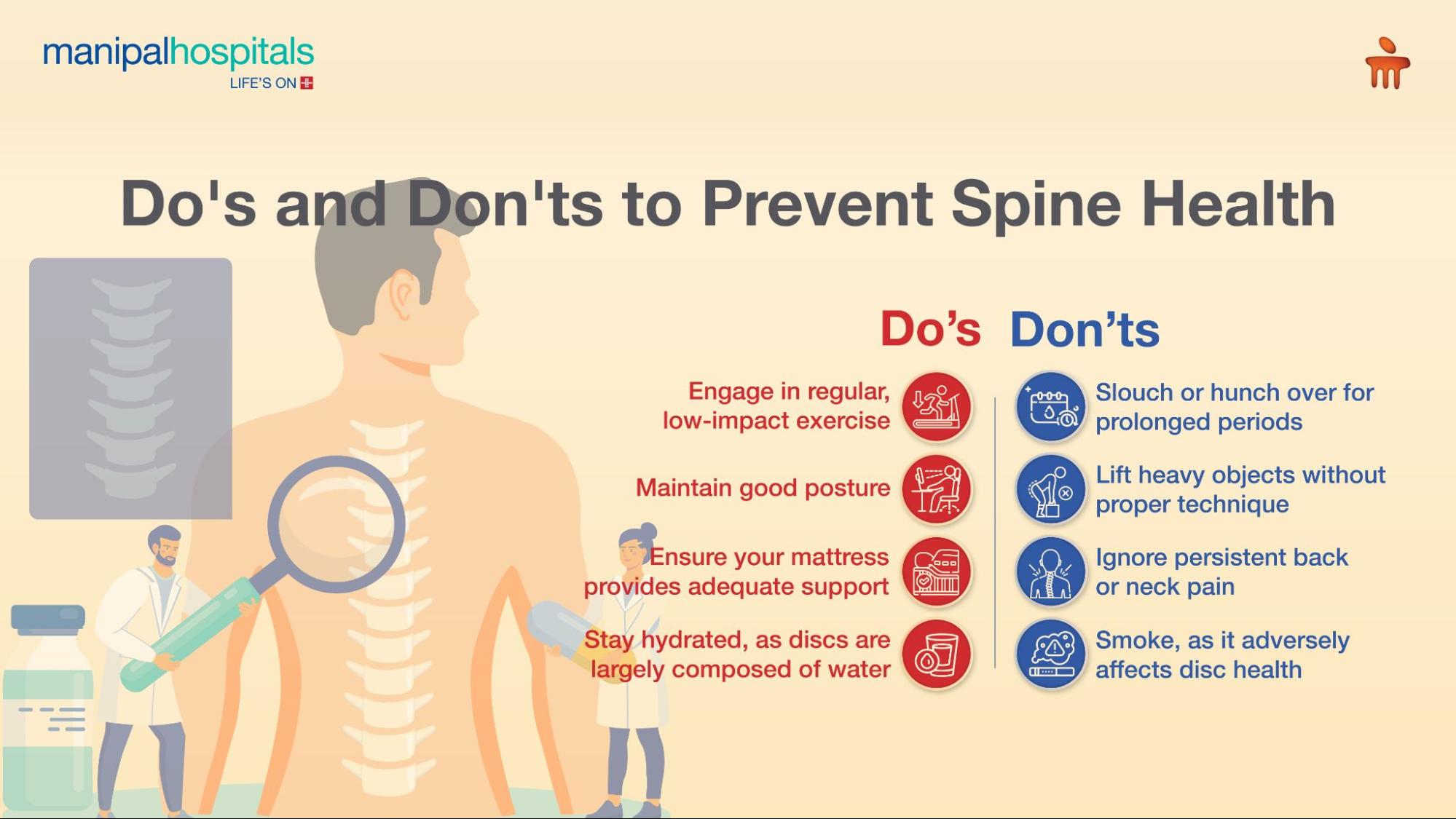
Maintain Good Posture: Whether sitting, standing, or sleeping, keeping your spine in a neutral alignment reduces strain. Use ergonomic chairs, adjust your computer monitor to eye level, and consider a standing desk.
-
Proper Lifting Techniques: Always lift with your legs, keeping your back straight. Avoid twisting while lifting heavy objects.
Regular Exercise
-
Strengthen Core Muscles: A strong core (abdominal and back muscles) provides natural support for your spine. Activities like Pilates, yoga, and specific back exercises can be highly beneficial.
-
Stay Active: Regular moderate exercise, such as walking, swimming, or cycling, improves circulation, flexibility, and muscle strength, helping to prevent common spine problems.
Maintaining a Healthy Weight
Excess body weight puts additional pressure on your spine, especially the lower back. Achieving and maintaining a healthy weight significantly reduces this strain, offering a key strategy for preventing back pain.
Quit Smoking
Smoking negatively impacts spinal health by reducing blood flow to the discs, accelerating their degeneration, and hindering healing. Quitting can vastly improve spinal resilience against spine diseases.
Mindful Movement
-
Stretch Regularly: Incorporate stretching into your daily routine to maintain flexibility in your spine, hamstrings, and hip flexors.
-
Take Breaks: If you have a sedentary job, take frequent short breaks to stand, stretch, and walk around.
Conclusion
If you are experiencing these symptoms or have concerns about your spinal health, it's crucial to seek timely medical advice. Book an appointment with our expert spine specialist at Manipal Hospitals today.
Caring for your spine is an investment in your overall health and well-being. By understanding the causes and symptoms of spinal disorders and taking proactive steps to protect your back, you can significantly reduce your risk of developing debilitating spine diseases. Remember, prevention is always better than cure, and adopting healthy habits is central to preventing back pain. If you are experiencing concerning symptoms, remember that expert care is available.
FAQ's
The most common cause of back pain is often mechanical issues, such as muscle strains, ligament sprains, or disc problems like herniation. Poor posture, heavy lifting, and a sedentary lifestyle also significantly contribute to common spine problems.
While stress doesn't directly cause structural spine diseases, it can exacerbate back pain by causing muscle tension and spasms. Prolonged stress can lead to poor posture and increased sensitivity to pain.
Ideally, incorporating daily stretching, particularly for the back, hamstrings, and hip flexors, can be very beneficial for preventing back pain. Even short sessions (5-10 minutes) can make a difference.
No, most spine diseases and spinal disorders are successfully managed with conservative treatments, including physiotherapy, medication, lifestyle modifications, and pain management techniques. Surgery is typically considered only after conservative methods have failed or in cases of severe neurological compromise.
You should consult a doctor if your back pain is severe, persistent (lasting more than a few weeks), radiates down your leg, causes numbness, tingling, or weakness in your limbs, or if you experience unexplained weight loss, fever, or loss of bowel/bladder control. These could be signs of more serious spine diseases.
Share this article on:


.webp "Liver Cancer Treatment")


--What-Every-Prostate-Cancer-Patient-Should-Know.webp "Prostate Cancer Surgery: LRP Procedure & Recovery Guide")