7 Min Read
Heart disease remains one of the leading health concerns worldwide, making regular monitoring of cholesterol levels essential. A lipid profile test is one of the most important investigations for assessing cardiovascular risk, identifying abnormal cholesterol levels, and protecting long-term heart health. If you're unsure whether your cholesterol numbers are healthy, understanding the results of a lipid profile test can help you take timely action.
At routine screenings, our cardiologists in Ghaziabad often meet patients who are confused about what their cholesterol report actually means. Understanding your cholesterol levels is the first step towards preventing serious heart complications and maintaining optimal wellbeing.
Synopsis
- What Is a Lipid Profile Test?
- Why Cholesterol Matters for Your Heart
- Normal Cholesterol Levels by Age
- Causes of High Cholesterol
- High Cholesterol Symptoms: Can You Feel It?
- How to Reduce Cholesterol Naturally
- When Should You Get a Lipid Profile Test?
- When to Consult a Heart Specialist
- Final Thoughts
What Is a Lipid Profile Test?
A lipid profile test is a blood test that measures different types of fats (lipids) circulating in your bloodstream. The test helps evaluate your risk of cardiovascular disease and provides valuable information about your overall heart health.
A standard lipid profile test typically measures:
-
Total cholesterol
-
Low-Density Lipoprotein (LDL) cholesterol
-
High-Density Lipoprotein (HDL) cholesterol
-
Triglycerides
-
Very Low-Density Lipoprotein (VLDL)
Doctors often recommend a heart health checkup that includes a lipid profile test for adults, especially those with risk factors such as obesity, diabetes, hypertension, smoking, or a family history of heart disease.
Why Cholesterol Matters for Your Heart
Cholesterol is a waxy substance naturally produced by the liver and obtained from certain foods. While your body needs cholesterol to build cells and produce hormones, excessive levels can cause plaque build-up inside arteries.
Over time, elevated cholesterol increases the risk of:
-
Coronary artery disease
-
Heart attack
-
Stroke
-
Peripheral artery disease
Understanding normal cholesterol levels can help prevent these complications before symptoms develop.
Normal Cholesterol Levels by Age
While ideal cholesterol levels remain similar across age groups, doctors interpret results alongside age, medical history, and overall cardiovascular risk.
Total Cholesterol Normal Range
The total cholesterol normal range for most adults is:
|
Category |
Total Cholesterol |
|
Desirable |
Less than 200 mg/dL |
|
Borderline High |
200–239 mg/dL |
|
High |
240 mg/dL or above |
Maintaining the total cholesterol normal range significantly lowers the risk of future cardiovascular problems.
Normal LDL Cholesterol Levels
LDL is commonly known as "bad cholesterol" because it contributes to artery blockage.
|
Category |
LDL Cholesterol |
|
Optimal |
Less than 100 mg/dL |
|
Near Optimal |
100–129 mg/dL |
|
Borderline High |
130–159 mg/dL |
|
High |
160–189 mg/dL |
|
Very High |
190 mg/dL or above |
Keeping normal LDL cholesterol levels is a major goal of preventive cardiology.
Normal HDL Cholesterol Levels
HDL is often referred to as "good cholesterol" because it helps remove excess cholesterol from the bloodstream.
|
Category |
HDL Cholesterol |
|
Low (Men) |
Less than 40 mg/dL |
|
Low (Women) |
Less than 50 mg/dL |
|
Protective |
60 mg/dL or higher |
Higher normal HDL cholesterol levels are associated with a lower risk of heart disease.
Triglyceride Normal Range
Triglycerides are another type of blood fat that can increase cardiovascular risk when elevated.
|
Category |
Triglycerides |
|
Normal |
Less than 150 mg/dL |
|
Borderline High |
150–199 mg/dL |
|
High |
200–499 mg/dL |
|
Very High |
500 mg/dL or above |
Understanding the triglyceride normal range is essential because high triglycerides often occur alongside diabetes, obesity, and metabolic syndrome.
Causes of High Cholesterol
Many factors contribute to abnormal cholesterol levels.
Common causes of high cholesterol include:
-
A diet rich in saturated and trans fats
-
Obesity
-
Physical inactivity
-
Smoking
-
Excessive alcohol consumption
-
Diabetes
-
Hypothyroidism
-
Family history of cholesterol disorders
-
Advancing age
Recognising the causes of high cholesterol early allows for timely intervention and risk reduction.
High Cholesterol Symptoms: Can You Feel It?
One of the biggest challenges with cholesterol management is that high cholesterol symptoms are often absent.
Most people experience no noticeable high cholesterol symptoms until complications occur. In advanced cases, symptoms may arise due to blocked arteries and include:
-
Fatigue during physical activity
This is why a regular heart health checkup and lipid profile test remain crucial even when you feel perfectly healthy.
How to Reduce Cholesterol Naturally
Many patients ask about how to reduce cholesterol naturally before considering medication.
Effective ways of how to reduce cholesterol naturally include:
-
Increase Fibre Intake - Consume oats, fruits, vegetables, legumes, and whole grains.
-
Choose Healthy Fats - Replace saturated fats with nuts, seeds, olive oil, and fatty fish.
-
Exercise Regularly - Aim for at least 150 minutes of moderate physical activity per week.
-
Maintain a Healthy Weight - Even modest weight loss can improve cholesterol levels.
-
Quit Smoking - Smoking lowers HDL cholesterol and damages blood vessels.
-
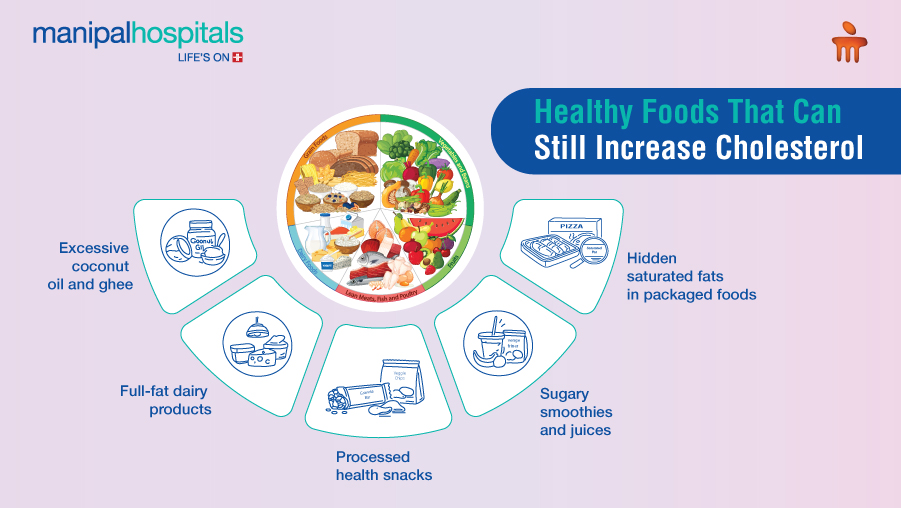
Limit Processed Foods - Reduce intake of fried foods, sugary beverages, and packaged snacks.
For personalised guidance, our cardiologists in Ghaziabad can help create a comprehensive cholesterol management plan.
When Should You Get a Lipid Profile Test?
Adults should generally undergo a lipid profile test every 4–6 years if they have no major risk factors.
More frequent testing may be necessary if you have:
-
Diabetes
-
Obesity
-
Family history of heart disease
-
Previous heart attack or stroke
-
Existing cholesterol abnormalities
A preventive heart health checkup can help identify risks before they become serious health concerns.
When to Consult a Heart Specialist
If your cholesterol report falls outside the recommended normal cholesterol levels, professional assessment is important.
Our cardiologists in Ghaziabad evaluate your complete cardiovascular risk profile and recommend lifestyle changes, medications, or advanced investigations when necessary.
If you're experiencing symptoms or have concerns about your cholesterol numbers, consulting our heart doctor in Ghaziabad can provide clarity and peace of mind.
Regular screening, early diagnosis, and evidence-based treatment remain the most effective ways to protect your heart.
Final Thoughts
Understanding your cholesterol report goes far beyond simply looking at one number. A lipid profile test provides valuable insights into your cardiovascular health and helps determine whether your levels fall within the recommended normal cholesterol levels.
Whether you're monitoring the total cholesterol normal range, tracking normal LDL cholesterol levels, assessing normal HDL cholesterol levels, or reviewing the triglyceride normal range, timely action can significantly reduce future health risks.
For preventive care, personalised treatment, and expert guidance, our cardiologists in Ghaziabad can help you stay on track towards better heart health and long-term wellbeing.
FAQ's
For most adults, desirable total cholesterol is below 200 mg/dL, LDL below 100 mg/dL, HDL above 60 mg/dL, and triglycerides below 150 mg/dL.
Healthy adults generally need a lipid profile test every 4–6 years, although individuals with risk factors may require more frequent monitoring.
Most people experience no obvious high cholesterol symptoms. Regular testing is the best way to detect abnormal levels early.
Yes. Many individuals can improve cholesterol levels through dietary changes, exercise, weight management, smoking cessation, and other strategies focused on how to reduce cholesterol naturally.
A routine heart health checkup helps identify hidden risk factors such as elevated cholesterol, hypertension, and early cardiovascular disease before symptoms appear.
Share this article on: