6 Min Read
Cholesterol is often misunderstood, yet it plays a crucial role in your body’s overall health. The key lies in understanding the balance between different types of cholesterol and knowing how to reduce cholesterol effectively. Our cardiologists in Ghaziabad emphasise that awareness about normal cholesterol levels, high triglycerides, and the LDL HDL difference can help prevent serious heart conditions. In this blog, we break down everything you need to know, including the ideal cholesterol range by age and practical ways to reduce cholesterol.
Synopsis
- What is Cholesterol and Why Does It Matter?
- LDL HDL Difference: Understanding Good vs Bad Cholesterol
- Normal Cholesterol Levels: What Should You Aim For?
- High Triglycerides: A Hidden Risk Factor
- Cholesterol Range by Age: Why It Changes Over Time
- How to Reduce Cholesterol Naturally
- Medical Treatment: When Lifestyle Changes Aren’t Enough
- Warning Signs of High Cholesterol
- Why Early Monitoring is Important
- Practical Tips to Maintain Healthy Cholesterol
- Conclusion
What is Cholesterol and Why Does It Matter?
Cholesterol is a waxy substance found in your blood. While your body needs it to build healthy cells, excess cholesterol can increase the risk of heart disease. Understanding how to reduce cholesterol starts with knowing its types and maintaining normal cholesterol levels.
LDL HDL Difference: Understanding Good vs Bad Cholesterol
One of the most important aspects of cholesterol management is understanding the LDL HDL difference.
-
LDL (Low-Density Lipoprotein): Known as “bad cholesterol,” it can build up in artery walls, leading to blockages.
-
HDL (High-Density Lipoprotein): Known as “good cholesterol,” it helps remove excess cholesterol from the bloodstream.
A clear understanding of the LDL and HDL differences helps in planning how to reduce cholesterol effectively. Our cardiologists in Ghaziabad often highlight that improving this balance is key to heart health.
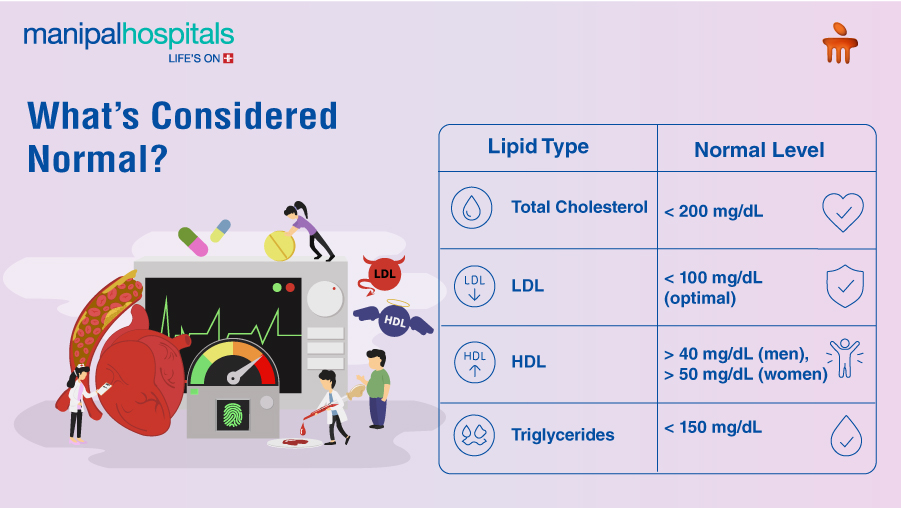
Normal Cholesterol Levels: What Should You Aim For?
Maintaining normal cholesterol levels is essential to reducing cardiovascular risks.
Ideal Levels:
-
Total Cholesterol: Less than 200 mg/dL
-
LDL: Less than 100 mg/dL
-
HDL: 40 mg/dL or higher (men), 50 mg/dL or higher (women)
-
Triglycerides: Less than 150 mg/dL
These normal cholesterol levels act as a benchmark when deciding how to reduce cholesterol.
High Triglycerides: A Hidden Risk Factor
While most people focus on LDL and HDL, high triglycerides are equally important.
What are Triglycerides?
Triglycerides are a type of fat in your blood. When you consume more calories than needed, your body converts them into triglycerides.
Risks of High Triglycerides:
-
Increased risk of heart disease
-
Association with obesity and diabetes
-
Can worsen the LDL HDL difference
Managing high triglycerides is a critical step in learning how to reduce cholesterol.
Cholesterol Range by Age: Why It Changes Over Time
Your ideal cholesterol range by age may vary depending on lifestyle and health conditions.
General Guidelines:
-
Children & Teens: Lower total cholesterol (<170 mg/dL)
-
Adults (20–39 years): Focus on prevention and maintaining normal cholesterol levels
-
Adults (40+): Regular screening is crucial
-
Older Adults: Closer monitoring due to higher risk
Understanding your cholesterol range by age helps in early intervention and deciding how to reduce cholesterol effectively.
How to Reduce Cholesterol Naturally
If you’re wondering how to reduce cholesterol, lifestyle changes are the first step.
1. Healthy Diet
-
Reduce saturated and trans fats
-
Increase fibre intake (fruits, vegetables, whole grains)
-
Include healthy fats like omega-3 fatty acids
2. Regular Exercise
-
At least 30 minutes of moderate activity daily
-
Helps improve HDL and reduce LDL
3. Maintain a Healthy Weight
- Losing even a small amount of weight can improve normal cholesterol levels
4. Quit Smoking
-
Improves HDL levels and overall heart health
5. Limit Alcohol
-
Excess alcohol can lead to high triglycerides
Our cardiologists in Ghaziabad recommend a personalised approach when planning how to reduce cholesterol.
Medical Treatment: When Lifestyle Changes Aren’t Enough
Sometimes, lifestyle changes alone may not be sufficient.
Treatment Options:
-
Statins to lower LDL
-
Medications for high triglycerides
-
Regular monitoring of normal cholesterol levels
Consulting experts like our cardiologists in Ghaziabad ensures the right treatment plan tailored to your needs.
Warning Signs of High Cholesterol
High cholesterol often has no symptoms, which makes regular testing important. However, indirect signs may include:
-
Fatigue
These signs highlight the importance of routine checks and understanding how to reduce cholesterol early.
Why Early Monitoring is Important
-
Prevents heart disease and stroke
-
Helps maintain normal cholesterol levels
-
Detects high triglycerides early
-
Guides treatment based on cholesterol range by age
Our cardiologists in Ghaziabad stress that early detection is key to long-term heart health.
Practical Tips to Maintain Healthy Cholesterol
-
Follow a heart-friendly diet
-
Stay physically active
-
Monitor your cholesterol regularly
-
Understand your LDL and HDL difference
-
Keep track of your cholesterol range by age
Consistency is crucial when learning how to reduce cholesterol.
Conclusion
Understanding cholesterol is the first step toward better heart health. By knowing the LDL HDL difference, maintaining normal cholesterol levels, managing high triglycerides, and tracking your cholesterol range by age, you can take control of your health. Most importantly, adopting the right lifestyle and knowing how to reduce cholesterol can significantly lower your risk of heart disease. For expert guidance, our experienced cardiologists in Ghaziabad are always available to support you on your journey to a healthier life.
FAQ's
The best way to reduce cholesterol is through a combination of a healthy diet, regular exercise, and maintaining normal cholesterol levels.
Normal cholesterol levels include total cholesterol below 200 mg/dL, LDL below 100 mg/dL, and healthy HDL levels.
High triglycerides increase the risk of heart disease and can worsen the LDL HDL difference.
The LDL HDL difference refers to the balance between bad (LDL) and good (HDL) cholesterol in your body.
Yes, the cholesterol range by age helps determine your risk level and guides how to reduce cholesterol effectively.
Share this article on: