7 Min Read
Discovering a lump or abnormal growth in the body can be alarming. One of the first questions people ask is whether it is cancerous or non-cancerous. Understanding the difference between benign and malignant tumours is essential because it helps patients make informed decisions about diagnosis, treatment, and long-term health management.
At the earliest sign of an unusual growth, consulting our oncologists in Ghaziabad can help ensure timely evaluation and appropriate treatment. While not every tumour is cancerous, identifying the difference between benign and malignant tumours at an early stage can significantly impact outcomes.
In this comprehensive guide, we explain the difference between benign and malignant tumours, their symptoms, causes, diagnosis, treatment options, and when to seek medical attention.
Synopsis
- What Is a Tumour?
- Difference Between Benign and Malignant Tumours
- What Is a Benign Tumour?
- What Is a Malignant Tumour?
- Benign vs Malignant Tumour: Key Biological Differences
- Causes and Risk Factors for Tumours
- Types of Tumours
- How Are Tumours Diagnosed?
- Treatment Options for Benign and Malignant Tumours
- When Should You See an Oncologist?
- Can Benign Tumours Become Malignant?
- Final Thoughts on the Difference Between Benign and Malignant Tumours
What Is a Tumour?
A tumour is an abnormal mass of tissue that develops when cells grow and divide uncontrollably. Tumours can occur almost anywhere in the body and are broadly classified into two categories:
-
Benign tumour
-
Malignant tumour
Understanding the various types of tumours is crucial because their behaviour, growth pattern, and treatment approach differ significantly.
Difference Between Benign and Malignant Tumours
The primary difference between benign and malignant tumours lies in their ability to invade surrounding tissues and spread to other parts of the body.
|
Feature |
Benign Tumour |
Malignant Tumor |
|
Growth Rate |
Slow |
Often rapid |
|
Spread to Other Organs |
No |
Yes |
|
Tissue Invasion |
Limited |
Invades nearby tissues |
|
Recurrence Risk |
Lower |
Higher |
|
Cancerous Nature |
Non-cancerous |
Cancerous |
|
Life-Threatening Potential |
Usually low |
Potentially high |
The difference between benign and malignant tumours is not always visible through symptoms alone. Diagnostic tests are often required to determine the exact nature of a tumour.
What Is a Benign Tumour?
A benign tumour is a non-cancerous growth that remains localised and does not spread to other parts of the body. Although benign tumours are generally less dangerous, some can still cause complications if they compress nearby nerves, organs, or blood vessels.
Common examples include:
-
Lipoma (fat tissue tumour)
-
Fibroma
-
Uterine fibroids
-
Adenoma
-
Meningioma
Benign Tumour Symptoms
The severity of benign tumour symptoms depends on the tumour's size and location.
Common benign tumour symptoms include:
-
Localised swelling or lump
-
Mild discomfort or pressure
-
Headaches (in certain brain tumours)
-
Changes in bowel or bladder habits
-
Restricted movement near joints
-
Hormonal disturbances in endocrine tumours
Many benign tumours remain asymptomatic and are discovered during routine health examinations or imaging studies.
What Is a Malignant Tumour?
A malignant tumour consists of cancerous cells that can invade surrounding tissues and spread to distant organs through the bloodstream or lymphatic system.
Unlike a benign tumour, a malignant tumour has the potential to grow aggressively and affect vital organs, making early detection critical.
Common examples include:
-
Lung cancer
-
Colon cancer
-
Ovarian cancer
Malignant Tumour Symptoms
The most common malignant tumour symptoms vary depending on the affected organ,n but may include:
-
Unexplained weight loss
-
Persistent fatigue
-
Pain that worsens over time
-
Unusual bleeding
-
Persistent cough
-
Difficulty swallowing
-
Changes in bowel habits
-
Enlarged lymph nodes
-
Non-healing wounds
If you experience any persistent malignant tumour symptoms, seeking prompt medical evaluation is strongly recommended.
Benign vs Malignant Tumour: Key Biological Differences
When discussing a benign vs malignant tumour, several biological characteristics help distinguish one from the other.
-
Cell Structure - Benign tumour cells closely resemble normal cells and tend to grow in an organised manner. In contrast, malignant tumour cells often appear abnormal and divide uncontrollably.
-
Growth Pattern - A benign tumour usually grows slowly and remains confined within a capsule. A malignant tumour frequently infiltrates nearby tissues.
-
Metastasis - The most significant distinction in a benign vs malignant tumour comparison is metastasis. Benign tumours do not spread, whereas malignant tumours can travel to distant organs and establish secondary tumours.
-
Impact on Health - While benign tumours may cause discomfort due to their location, malignant tumours can become life-threatening if not treated appropriately.
Causes and Risk Factors for Tumours
Several factors may contribute to the development of both benign and malignant tumours:
-
Genetic mutations
-
Family history of cancer
-
Smoking and tobacco use
-
Excessive alcohol consumption
-
Obesity
-
Radiation exposure
-
Chronic infections
-
Environmental toxins
-
Hormonal imbalances
Understanding these risk factors can help reduce the likelihood of developing certain types of tumours.
Types of Tumours
There are numerous types of tumours, including:
-
Benign Tumours
-
Lipoma
-
Fibroma
-
Adenoma
-
Hemangioma
-
Papilloma
Malignant Tumours
-
Carcinoma
-
Sarcoma
-
Leukaemia
-
Lymphoma
-
Melanoma
Each of these types of tumours requires specific diagnostic and treatment strategies.
How Are Tumours Diagnosed?
Determining the difference between benign and malignant tumours typically requires a combination of diagnostic tests.
Common investigations include:
Physical Examination
Doctors assess the size, consistency, and mobility of the growth.
Imaging Tests
-
Ultrasound
-
CT Scan
-
PET Scan
Biopsy
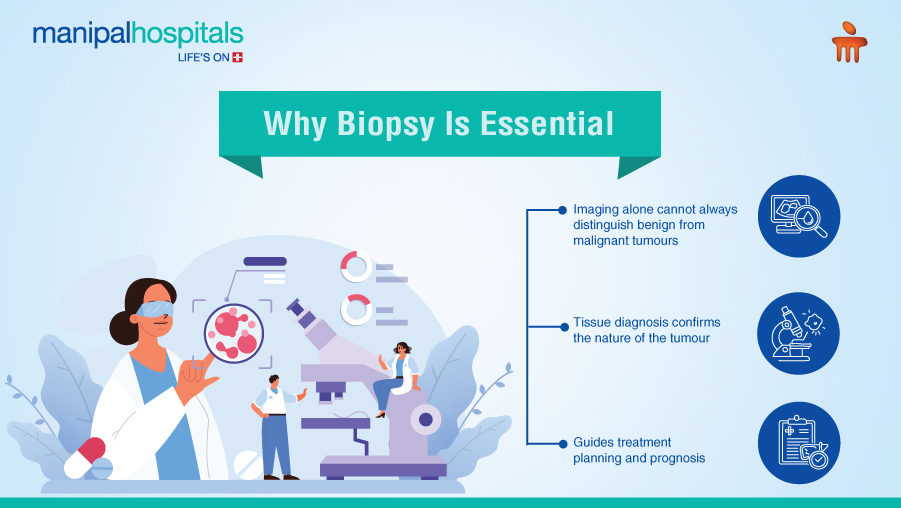
A biopsy remains the gold standard for confirming whether a tumour is a benign tumour or a malignant tumour.
Accurate diagnosis by our oncologists in Ghaziabad enables personalised treatment planning and better outcomes.
Treatment Options for Benign and Malignant Tumours
Treatment for Benign Tumours
Many benign tumours require observation only. However, treatment may be recommended if symptoms develop.
Options include:
-
Regular monitoring
-
Surgical removal
-
Hormonal therapy in selected cases
Treatment for Malignant Tumours
Treatment for a malignant tumour depends on the type, stage, and location of the cancer.
Options may include:
-
Targeted therapy
-
Hormonal therapy
Consulting our cancer expert in Ghaziabad can help patients understand the most suitable treatment approach based on their diagnosis.
When Should You See an Oncologist?
You should seek medical attention if you notice:
-
A new lump or swelling
-
Rapidly growing mass
-
Persistent pain
-
Unexplained weight loss
-
Chronic fatigue
-
Unusual bleeding
-
Persistent cough or voice changes
Early assessment by our oncologists in Ghaziabad may help identify serious conditions before they progress.
Can Benign Tumours Become Malignant?
Most benign tumours remain non-cancerous throughout life. However, some specific tumour types have the potential to undergo malignant transformation over time. Regular monitoring and follow-up are therefore important, especially for high-risk lesions.
Final Thoughts on the Difference Between Benign and Malignant Tumours
Understanding the difference between benign and malignant tumours is crucial for recognising warning signs and seeking timely medical care. While a benign tumour generally remains localised and non-cancerous, a malignant tumour can invade surrounding tissues and spread to distant organs.
Recognising benign tumour symptoms, identifying malignant tumour symptoms, and understanding the various types of tumours can empower patients to make informed healthcare decisions. If you notice any unusual growth or persistent symptoms, consulting our oncologists in Ghaziabad is the best step towards an accurate diagnosis and effective treatment.
FAQ's
The main difference between benign and malignant tumours is that benign tumours are non-cancerous and do not spread, whereas malignant tumours are cancerous and can invade nearby tissues and metastasise to other organs.
Most benign tumours do not become cancerous. However, certain tumour types may undergo malignant transformation and require regular monitoring.
Common benign tumour symptoms include a painless lump, swelling, pressure effects, headaches, and restricted movement, depending on the tumour's location.
Common malignant tumour symptoms include unexplained weight loss, persistent fatigue, abnormal bleeding, chronic pain, enlarged lymph nodes, and changes in bowel or bladder habits.
Doctors typically use physical examinations, imaging tests, and biopsy procedures to accurately determine the difference between benign and malignant tumours.
Share this article on: