7 Min Read
For individuals who have experienced a heart event or are living with a chronic heart condition, the journey to recovery extends beyond the hospital stay. This is where cardiac rehabilitation, often referred to as cardiac rehab, plays a pivotal and transformative role. It's a medically supervised rehabilitation program designed to improve your cardiovascular health, reduce your risk of future heart problems, and enhance your overall quality of life. At Manipal Hospitals, our dedicated team of specialists, including our cardiologists in Ghaziabad, works collaboratively to guide you through every step of this essential journey, ensuring you receive comprehensive and personalised care.
Synopsis
What is Cardiac Rehabilitation?
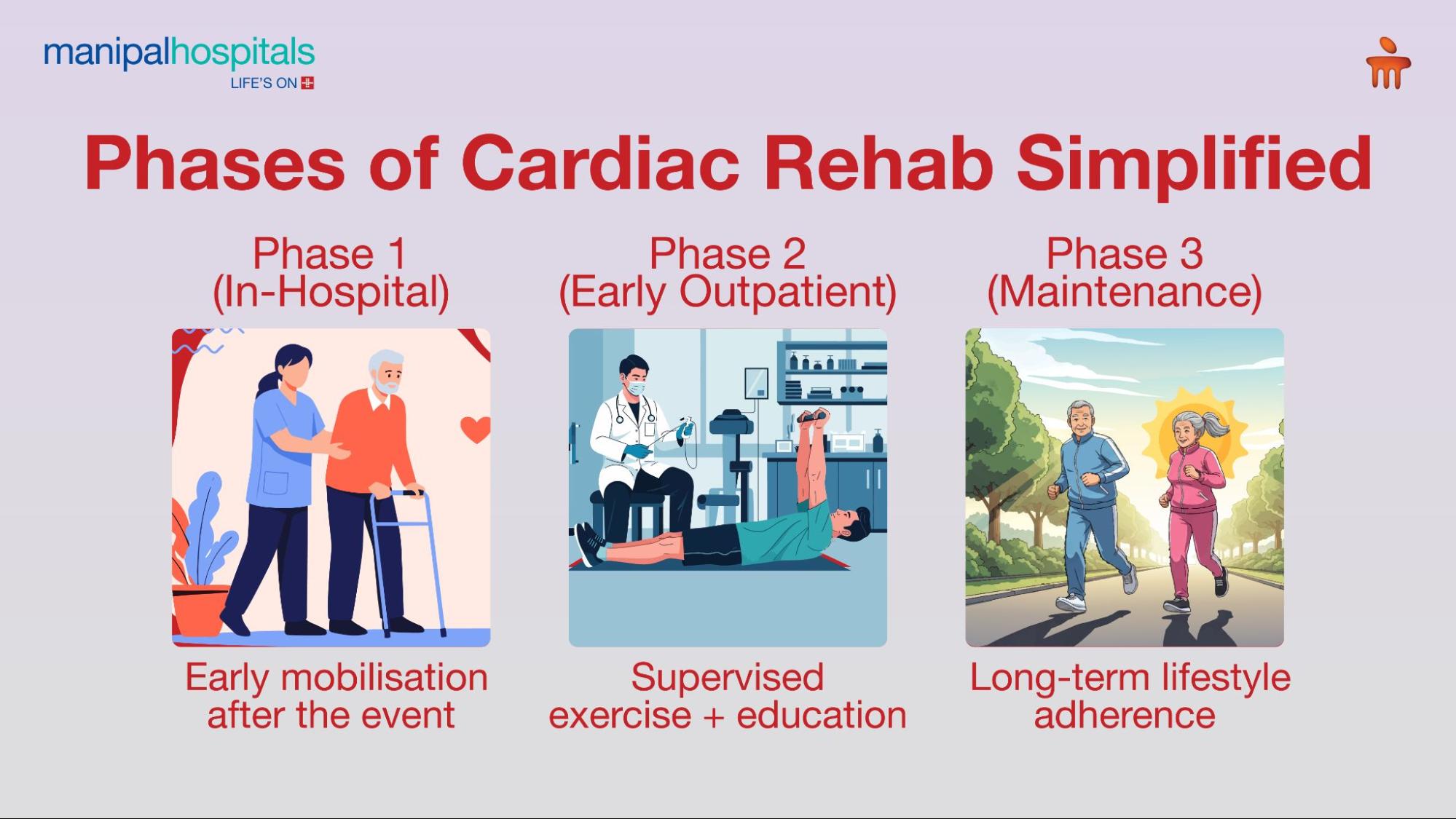
Cardiac rehabilitation is a comprehensive, multidisciplinary programme that typically involves exercise training, education on heart-healthy living, and counselling to reduce stress and help you return to an active, fulfilling life. It's much more than just physical therapy; it's a holistic approach to recovery and prevention. The programme is tailored to your individual needs and medical history, helping you to understand your condition, manage symptoms, and adopt sustainable lifestyle changes.
-
Medically Supervised Exercise: This is a cornerstone of any cardiac rehabilitation programme. Trained exercise physiologists or cardiac physiotherapy experts monitor your heart rate, blood pressure, and other vital signs while you engage in safe, progressive physical activity.
-
Education for Heart-Healthy Living: You'll learn about your heart condition, medications, nutrition, blood pressure management, and diabetes control. This knowledge empowers you to make informed decisions about your health.
-
Counselling and Stress Management: Living with a heart condition can be stressful. Cardiac rehab offers support for mental health, helping you manage anxiety, depression, and stress, which are crucial for long-term recovery.
-
Risk Factor Modification: Specialists work with you to identify and manage risk factors such as high cholesterol, high blood pressure, diabetes, smoking, and obesity, significantly lowering your chances of future cardiac events.
Who Needs Cardiac Rehabilitation?
Cardiac rehabilitation is not just for those who have had a major heart attack; it benefits a wide range of patients. If you've experienced any of the following, a cardiac rehabilitation programme is highly recommended:
-
Heart Attack (Myocardial Infarction): Following a heart attack, cardiac rehab helps your heart recover strength and function, and reduces the risk of another event.
-
Coronary Artery Bypass Graft (CABG) Surgery: For patients undergoing bypass surgery, rehab aids in post-surgical recovery, wound healing, and building endurance.
-
Angioplasty and Stenting: Even after minimally invasive procedures, cardiac rehab helps solidify lifestyle changes and optimise outcomes.
-
Heart Failure: Patients with heart failure can significantly improve their exercise capacity, reduce symptoms, and enhance their quality of life through tailored cardiac therapy. Studies show that structured exercise can improve heart failure symptoms in over 70% of patients.
-
Heart Valve Repair or Replacement: Rehabilitation helps patients regain strength and manage the demands on their newly repaired or replaced valves.
-
Heart Transplant: A vital part of post-transplant care, aiding in physical recovery and adaptation to new medications.
-
Stable Angina: Individuals with stable chest pain can learn to manage their condition, improve exercise tolerance, and reduce the frequency and severity of angina episodes.
-
Peripheral Artery Disease (PAD): Exercise components of cardiac rehab can significantly improve walking distance and reduce pain in patients with PAD.
Our expert team, including our cardiologists in Ghaziabad, conducts a thorough assessment to determine the most appropriate and beneficial rehabilitation program for each individual, ensuring a personalised path to recovery.
Components of a Comprehensive Cardiac Rehabilitation Program
A well-structured cardiac rehabilitation program at Manipal Hospitals is designed with several key components:
-
Initial Assessment: A detailed evaluation of your medical history, current physical condition, and lifestyle habits by a team including cardiologists, nurses, dietitians, and physiotherapists.
-
Supervised Exercise Training: This is a carefully planned exercise regimen, progressively increasing in intensity, duration, and frequency. Activities typically include walking, cycling, and light resistance training, all performed under close medical supervision to ensure safety and effectiveness.
-
Nutritional Counselling: Expert dietitians provide guidance on heart-healthy eating plans, focusing on reducing saturated fats, sodium, and refined sugars, and increasing intake of fruits, vegetables, and whole grains. This can lower cholesterol by up to 20% and reduce blood pressure.
-
Psychosocial Support: Addressing emotional well-being through individual or group counselling, stress reduction techniques, and coping strategies to deal with anxiety or depression, often associated with heart conditions.
-
Medication Management: Education on the purpose, dosage, and side effects of your prescribed medications, ensuring adherence and optimal therapeutic outcomes.
-
Lifestyle Modification Support: Assistance with quitting smoking, managing weight, and controlling other risk factors like diabetes and high blood pressure.
The Benefits of Cardiac Rehabilitation
Engaging in a cardiac rehabilitation program offers a wealth of benefits that can dramatically improve your health outcomes:
-
Reduced Risk of Future Cardiac Events: Participation in cardiac rehab can reduce the risk of future heart attacks and strokes by an impressive 25-30%.
-
Improved Physical Fitness and Strength: Patients often experience a significant increase in exercise tolerance and overall physical capability, making daily activities easier.
-
Enhanced Quality of Life: By improving physical and mental well-being, cardiac rehab helps patients return to work, hobbies, and social activities, leading to a more fulfilling life. Over 85% of participants report an improved quality of life.
-
Better Management of Chronic Conditions: It helps in better control of blood pressure, cholesterol levels, and diabetes, which is crucial for preventing further heart complications.
-
Reduced Symptoms: Patients often report a decrease in symptoms like chest pain (angina), shortness of breath, and fatigue.
-
Lower Hospital Readmission Rates: Studies indicate that patients who complete a cardiac rehabilitation program are up to 47% less likely to be readmitted to the hospital within a year.
-
Increased Confidence and Mental Well-being: Gaining strength and understanding their condition empowers patients, reducing anxiety and depression.
Conclusion
If you have recently experienced a cardiac event or are living with a heart condition, seeking timely medical advice and enrolling in a cardiac rehabilitation program is a powerful step towards a healthier, more active future. Book an appointment with our expert cardiologists in Ghaziabad at Manipal Hospitals today to discuss how a personalised rehabilitation plan can benefit you.
FAQ's
No, cardiac rehabilitation is beneficial for people of all ages who have experienced a heart event or live with a heart condition. The program is tailored to the individual's age, physical condition, and specific medical needs.
The duration of a cardiac rehabilitation program varies but typically ranges from 6 to 12 weeks, with sessions held 2-3 times per week. The exact length depends on your condition, progress, and your healthcare provider's recommendations.
In many regions, cardiac rehabilitation is covered by health insurance, as it is considered a crucial part of recovery and secondary prevention. It's advisable to check with your insurance provider and the hospital's billing department for details on coverage.
While some aspects of cardiac therapy, like home exercises, can be done independently, medically supervised cardiac rehabilitation offers structured guidance, monitoring, and immediate support that cannot be fully replicated at home. A hybrid model involving both supervised and home-based exercises may sometimes be recommended.
The exercise component of the rehabilitation program is always started at a level appropriate for your current physical condition and gradually progresses. The team monitors you closely to ensure safety and adjusts activities as needed. It's normal to feel some fatigue initially, but consistent participation helps build strength and stamina.
Share this article on: