8 Min Read
As temperatures rise, so does the risk of heat-related illnesses, with heat stroke being the most severe and potentially life-threatening. While often associated with physical symptoms, the impact of heat stroke on brain health is profound and often underestimated. At Manipal Hospitals, we believe in equipping our community with vital health knowledge. Our commitment to neurological excellence is paramount, and understanding these risks is crucial. Recognising the early `heat stroke symptoms` and taking prompt action can make all the difference. Our neurologists in Ghaziabad regularly address cases where extreme heat has led to significant health concerns, emphasising the need for heightened awareness. This article delves into the critical connection between heat exposure and brain health, highlighting warning signs you should never ignore.
Synopsis
- Understanding Heat-Related Illnesses
- Heat Exhaustion vs. Heat Stroke: Knowing the Difference
- Heat Exhaustion Symptoms
- Heat Stroke Symptoms
- Heat Stroke and Your Brain: The Critical Connection
- Specific Brain-Related Heat Stroke Symptoms
- Causes and Risk Factors for Heat Stroke
- Recognizing `Loo Symptoms` and `Heat Stroke Symptoms'
- Severe Heat Stroke Symptoms
- Immediate Action: `Heat Stroke Treatment` and First Aid
- `Heat Stroke Prevention`: Staying Safe in the Heat
Understanding Heat-Related Illnesses
Heat-related illnesses exist on a spectrum, from mild heat cramps to severe heat stroke. Distinguishing between them is vital for timely intervention. The body's natural cooling mechanisms, like sweating, can become overwhelmed when exposed to excessive heat, leading to a dangerous rise in core body temperature.
Heat Exhaustion vs. Heat Stroke: Knowing the Difference
Understanding the distinction between `heat exhaustion vs heat stroke` is paramount. Heat exhaustion is a milder condition that can progress to heat stroke if not addressed. It's often characterised by the body's attempt to cool itself, whereas heat stroke signifies a failure of these cooling mechanisms.
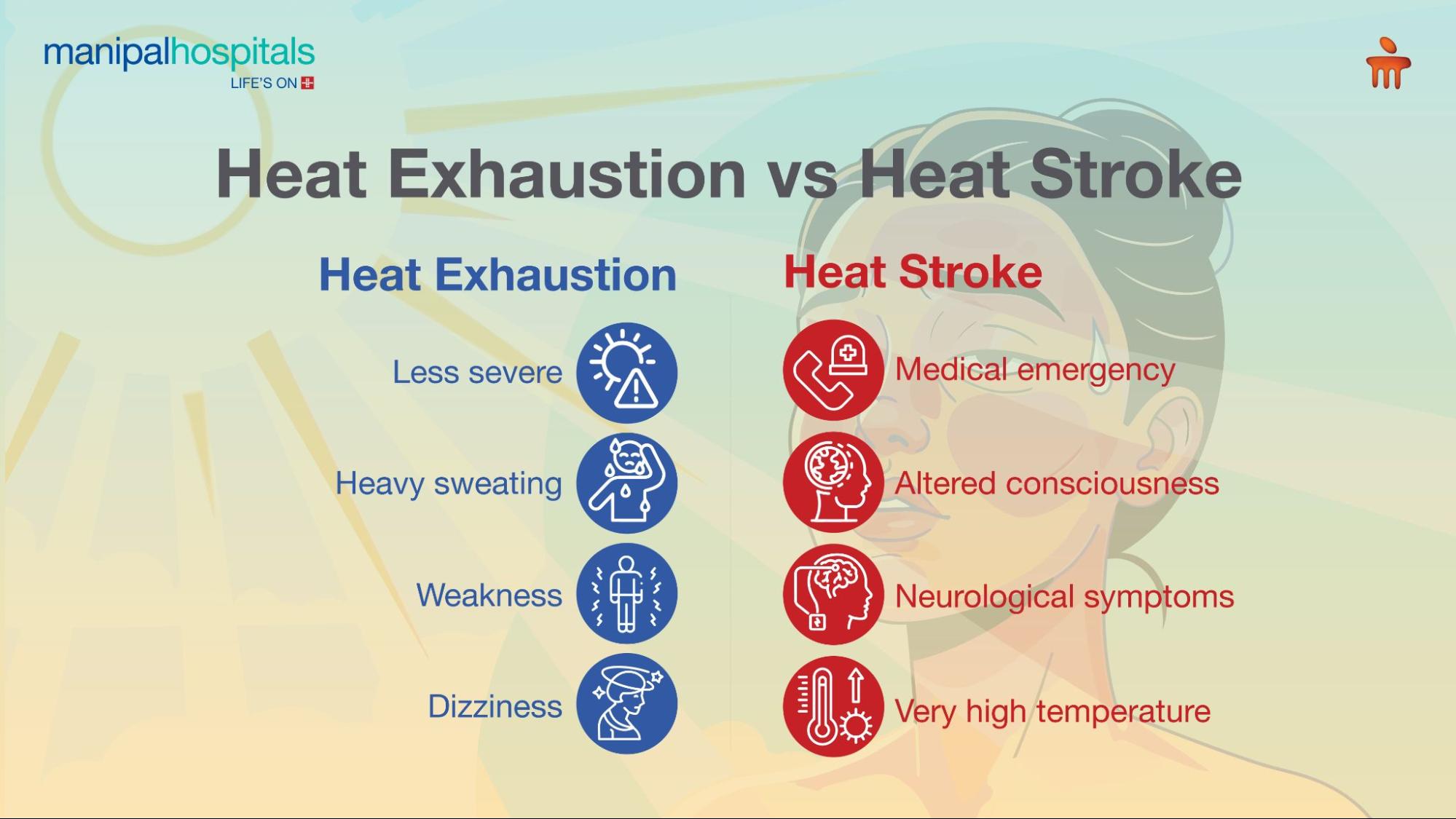
Heat Exhaustion Symptoms
Heat Stroke Symptoms
-
High body temperature (104°F or higher)
-
Hot, red, dry, or damp skin
-
Fast, strong pulse
-
Headache
-
Dizziness
-
Nausea
-
Confusion
-
Slurred speech
-
Loss of consciousness
-
Seizures
Heat Stroke and Your Brain: The Critical Connection
The brain is extremely sensitive to changes in temperature. During heat stroke, the body's core temperature can soar to dangerous levels (often 104°F or higher), which directly damages brain cells and impairs neurological function. This can lead to a range of severe consequences, from temporary neurological deficits to permanent brain damage or even death.
Early recognition of neurological `heat stroke symptoms` is crucial. Studies show that early cooling interventions can improve recovery rates by over 60%, especially for brain function. Delaying treatment can lead to prolonged hospitalisation and a higher risk of long-term cognitive issues.
Specific Brain-Related Heat Stroke Symptoms
-
Confusion and Disorientation: Patients may struggle to recognise people or places, or appear bewildered.
-
Altered Mental State: This can range from irritability and agitation to lethargy and unresponsiveness.
-
Slurred Speech: Similar to symptoms of a stroke, indicating neurological impairment.
-
Seizures: Uncontrolled electrical activity in the brain due to extreme heat stress.
-
Loss of Consciousness: Fainting or falling into a coma.
-
Ataxia (Lack of Coordination): Difficulty walking or performing fine motor skills.
-
Hallucinations: Seeing or hearing things that aren't there.
-
Severe Headache: Often throbbing and persistent.
Causes and Risk Factors for Heat Stroke
Heat stroke is primarily caused by prolonged exposure to high temperatures, especially when coupled with physical exertion or inadequate hydration. Certain factors increase an individual's vulnerability:
Environmental Factors:
-
High temperatures and humidity.
-
Sudden increase in temperature (heatwave).
-
Poor ventilation in indoor spaces.
Individual Risk Factors:
-
Age: Infants and young children (under 4) and older adults (over 65) are more susceptible, as their bodies regulate temperature less efficiently.
-
Chronic Medical Conditions: Heart disease, lung disease, kidney disease, obesity, and diabetes can impair the body's ability to cope with heat.
-
Medications: Certain drugs, including diuretics, antihistamines, sedatives, and some heart and blood pressure medications, can interfere with temperature regulation.
-
Dehydration: Not drinking enough fluids reduces the body's ability to sweat and cool down.
-
Alcohol Consumption: Alcohol can interfere with the body's ability to regulate temperature.
-
Physical Exertion: Intense physical activity in hot weather generates more body heat.
-
Lack of Acclimatisation: People not used to hot climates are at higher risk.
Recognizing `Loo Symptoms` and `Heat Stroke Symptoms'
The "Loo" refers to the hot, dry winds prevalent in regions like Northern India during summer. Recognising the impact of these conditions is crucial.
Early Warning Signs (Low Symptoms)
Exposure to extreme heat, often associated with `loo symptoms`, can quickly lead to dehydration and heat exhaustion before progressing to heat stroke. Be alert for:
-
Excessive thirst
-
Fatigue and weakness
-
Heavy sweating
-
Muscle cramps
-
Dark urine (sign of dehydration)
-
Lightheadedness
Severe Heat Stroke Symptoms
These are emergency signs that require immediate medical attention:
-
Body temperature of 104°F (40°C) or higher
-
Hot, red, dry, or moist skin
-
Rapid, strong pulse
-
Throbbing headache
-
Dizziness, confusion, or altered mental state
-
Slurred speech
-
Unconsciousness
-
Seizures
Immediate Action: `Heat Stroke Treatment` and First Aid
Heat stroke is a medical emergency. Immediate action can save a life and minimise long-term neurological damage. Remember, 100% of heat stroke cases require prompt professional medical intervention.
-
Call for Emergency Medical Help: Dial your local emergency number immediately.
-
Move the Person to a Cooler Place: Get them out of the sun and into a shaded or air-conditioned area.
-
Cool the Person Rapidly:
-
Immerse them in a cool bath or shower.
-
Sponge them with cool water.
-
Place ice packs or cool, wet cloths on the head, neck, armpits, and groin.
-
Fan them vigorously to promote evaporation.
-
Do NOT Give Fluids: A person with heat stroke may be confused or unconscious and unable to drink safely.
-
-
Loosen Clothing: Remove any tight or unnecessary clothing.
-
Monitor: Stay with the person until medical help arrives, continuing cooling efforts.
`Heat Stroke Prevention`:Staying Safe in the Heat
Prevention is always better than cure, especially when it comes to heat stroke. Simple steps can significantly reduce your risk. It's estimated that over 80% of heat stroke cases are preventable with proper precautions.
-
Stay Hydrated: Drink plenty of fluids, especially water, even if you don't feel thirsty. Avoid sugary drinks, alcohol, and excessive caffeine.
-
Dress Appropriately: Wear lightweight, loose-fitting, light-coloured clothing.
-
Limit Outdoor Activity: Avoid strenuous activities during the hottest parts of the day (typically 10 AM to 4 PM). Schedule outdoor tasks for early mornings or late evenings.
-
Seek Cool Environments: Spend time in air-conditioned places. If you don't have AC, go to public cooling centres, malls, or libraries.
-
Take Cool Showers or Baths: Regular cool showers can help lower body temperature.
-
Use Sun Protection: Wear a wide-brimmed hat, sunglasses, and apply broad-spectrum sunscreen with an SPF of 30 or higher.
-
Check on Vulnerable Individuals: Regularly check on infants, young children, older adults, and those with chronic illnesses who are at higher risk of heat-related illness.
-
Never Leave Anyone in a Parked Car: Temperatures inside a car can rise rapidly to dangerous levels, even with windows slightly open.
-
Acclimatise Gradually: If you're not used to hot weather, gradually increase your exposure to allow your body to adapt.
If you or someone you know exhibits severe heat stroke symptoms, immediate medical attention is paramount. Delaying care can lead to serious complications. Book an appointment with our neurologist in Ghaziabad today for comprehensive care and guidance.
FAQ's
A core body temperature of 104°F (40°C) or higher, coupled with central nervous system dysfunction (e.g., confusion, seizures, loss of consciousness), is the most critical indicator of heat stroke.
Yes, prolonged high body temperature during heat stroke can lead to permanent brain damage, affecting cognitive functions, memory, and motor skills, especially without rapid cooling.
While not as common as heat exhaustion, heat stroke incidence increases significantly during heatwaves. Data show thousands of emergency room visits annually are due to heat-related illnesses, with a percentage progressing to heat stroke.
Heat stroke can develop rapidly, sometimes within minutes to hours, especially in hot, humid conditions during strenuous activity or for vulnerable individuals. It can progress from `loo symptoms` quickly.
Infants, young children, older adults (over 65), people with chronic health conditions (heart disease, diabetes), outdoor workers, and athletes are at the highest risk.
Share this article on: