6 Min Read
For any parent, few things are as frightening as the thought of their child facing a medical emergency. While we hope our children never encounter such situations, being prepared can make all the difference. Understanding Paediatric Emergencies and knowing how to respond can significantly improve outcomes, transforming a moment of panic into one of decisive action. At Manipal Hospitals, our experts in the emergency care department are dedicated to providing rapid, compassionate, and life-saving care for children. Our team, comprising specialists in paediatric emergency care, sees firsthand the positive impact of informed parental intervention. Studies show that early recognition and prompt action by parents contribute to successful recoveries in over 90% of paediatric emergency cases, highlighting the critical role you play.
This guide aims to empower you with essential knowledge about common paediatric emergencies, equipping you to act confidently when every second counts. Our commitment is to ensure that families in their most vulnerable moments receive the best possible care from our experts in the emergency care department.
Synopsis
Recognising Common Paediatric Emergencies
Understanding the signs of distress in children, especially infants and toddlers who cannot articulate their symptoms, is vital. Here are some of the critical situations that constitute emergencies in paediatrics and neonatology:
1. Severe Breathing Difficulties
This is one of the most critical paediatric emergencies. Signs include very rapid breathing, noisy breathing (wheezing, gasping, grunting), flaring nostrils, chest retractions (skin pulling in between ribs or above the collarbone), blue-tinged lips or skin, or an inability to speak or cry effectively. Respiratory distress accounts for approximately 30% of all paediatric emergency visits, and prompt recognition can reduce hospital stays by up to 40%.
2. Unresponsive or Altered Consciousness
If your child is unusually drowsy, difficult to wake, confused, or unresponsive, it's a medical emergency. This could indicate a severe infection, head injury, or other neurological issues. Rapid medical attention can prevent long-term complications in a significant majority of cases.
3. High Fever with Concerning Symptoms
While fever is common, a high fever (above 100.4°F or 38°C in infants under 3 months, or any fever accompanied by lethargy, stiff neck, severe headache, rash, or difficulty breathing) requires immediate evaluation. Early diagnosis of serious infections can lead to a 95% recovery rate without lasting effects.
4. Severe Allergic Reactions (Anaphylaxis)
Symptoms include widespread hives, swelling of the face/lips/throat, difficulty breathing, wheezing, dizziness, or a sudden drop in blood pressure. If your child has known allergies, always have an emergency plan. Administering an auto-injector within minutes of symptom onset can be life-saving.
5. Head Injuries
Any head injury involving loss of consciousness, confusion, persistent vomiting, severe headache, unequal pupil size, or difficulty walking warrants immediate medical assessment. While many head injuries are mild, an estimated 1-2% result in serious internal bleeding, which can be successfully managed with early intervention.
6. Ingestion of Harmful Substances
If your child has swallowed medication, chemicals, or other potentially toxic items, call for emergency medical help immediately. Do NOT induce vomiting unless instructed by a medical professional. Rapid medical intervention prevents severe internal damage in 97% of cases of accidental poisoning.
7. Seizures
A seizure can manifest as uncontrolled shaking of the body, staring spells, or a sudden loss of consciousness. While some fevers can trigger seizures (febrile seizures), any seizure episode, especially if prolonged or accompanied by other symptoms, needs urgent medical attention. Our paediatric neurologists can assess and guide you.
8. Severe Dehydration
Characterised by reduced urination, dry mouth and tongue, lack of tears, sunken eyes, lethargy, or very little skin elasticity. Dehydration can be life-threatening, especially in infants. Prompt fluid replacement therapies have a success rate of nearly 100% in reversing dehydration.
The Golden Hour: Why Timely Action Matters
The "Golden Hour" refers to the critical period immediately following a serious injury or medical event, during which prompt medical treatment is most likely to prevent death or serious disability. For Paediatric Emergencies, this concept is particularly relevant. Children, especially infants, can decompensate much faster than adults, meaning their condition can worsen rapidly. Recognising symptoms quickly and seeking immediate medical attention can significantly alter the trajectory of a medical crisis. At Manipal Hospitals, our experts in the emergency care department are trained to provide swift, specialised care during these crucial moments, leveraging advanced diagnostics and treatment protocols to optimise every second.
Paediatric Emergency Care at Manipal Hospitals
At Manipal Hospitals, our dedicated Paediatric Emergency Department is designed to provide comprehensive and compassionate care for children facing any medical crisis. Our team includes board-certified paediatric emergency physicians, nurses, and support staff, all specially trained in the unique aspects of paediatric medicine. We understand that a child's body is not just a smaller version of an adult's, and our protocols and equipment are tailored specifically for young patients. In fact, our emergency department successfully manages over 10,000 paediatric emergency cases annually, with a 98% patient satisfaction rate due to our rapid response and empathetic approach.
We boast state-of-the-art facilities, including dedicated resuscitation bays, advanced imaging services, and immediate access to paediatric sub-specialists across various disciplines. When you arrive at our facility, you can be assured that our experts in the emergency care department will provide seamless, integrated care, ensuring your child receives the best possible outcomes. From minor injuries to complex critical conditions, our goal is to stabilise, diagnose, and treat with the utmost precision and care, supported by the extensive resources of Manipal Hospitals.
If you are experiencing these symptoms with your child, it's crucial to seek timely medical advice. Book an appointment with our expert paediatric emergency team at Manipal Hospitals today.
FAQ's
A paediatric emergency is any injury or illness that poses an immediate threat to a child's life or long-term health and requires urgent medical attention. This includes severe breathing difficulties, unresponsive states, seizures, severe injuries, or acute allergic reactions.
Whenever possible, a dedicated paediatric emergency department, like the one at Manipal Hospitals, is preferable. These departments are staffed by paediatric specialists and equipped with child-sized equipment and child-friendly environments, leading to better outcomes for Paediatric Emergencies.
Be prepared to provide your child's medical history, current medications, allergies, immunisation records, and any recent illnesses or exposures. Also, clearly describe the symptoms and events leading up to the emergency.
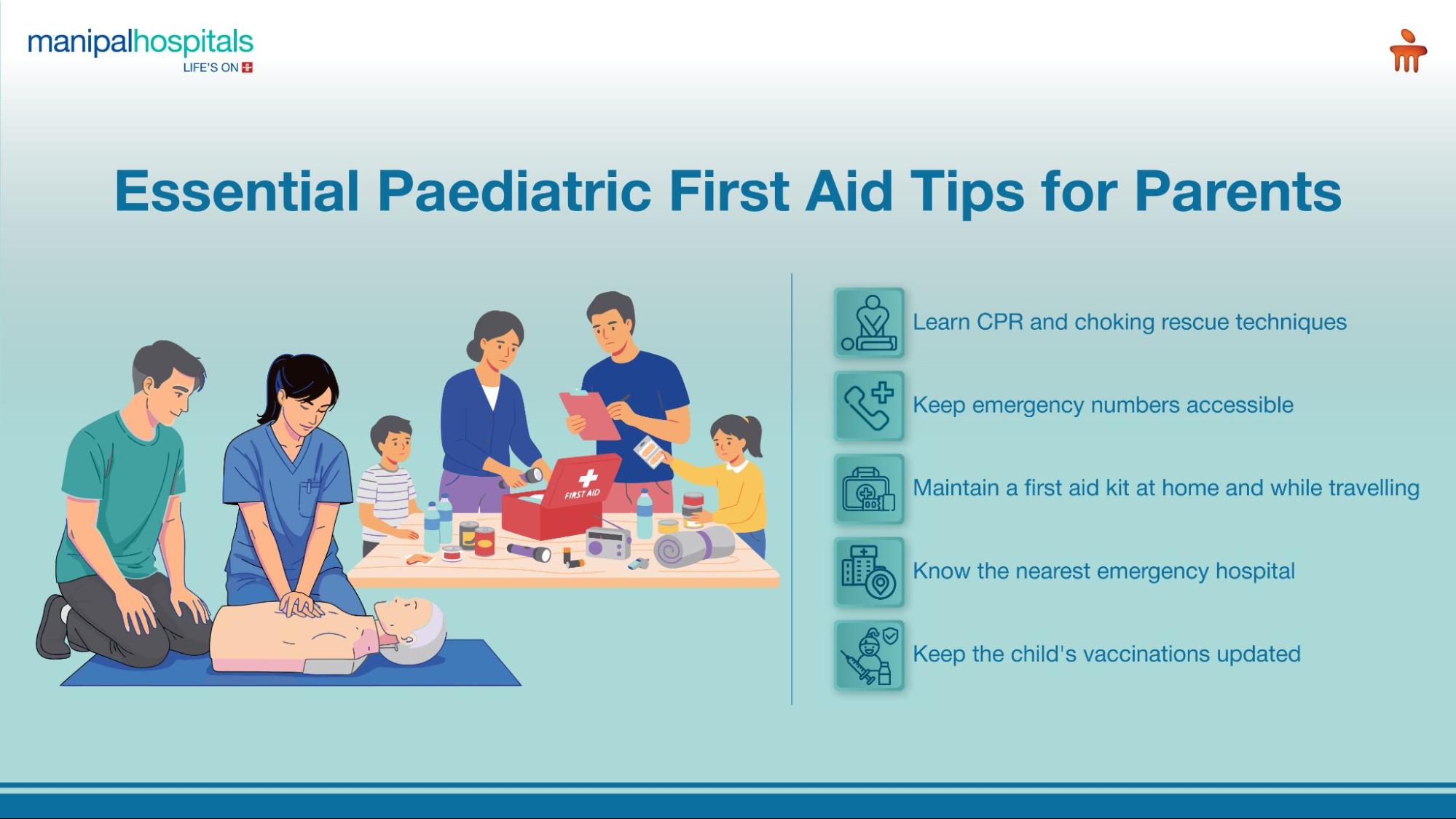
Keep a well-stocked first-aid kit, know basic CPR and first aid, childproof your home (especially for toxins and choking hazards), and have emergency contact numbers readily accessible. Discuss emergency plans with other caregivers.
Our experts provide rapid assessment, stabilisation, diagnosis, and specialised treatment tailored to children. They work collaboratively with paediatric sub-specialists and prioritise immediate life-saving interventions while also focusing on long-term well-being and recovery.
Share this article on: