5 Min Read
Peripheral neuropathy, a condition affecting millions worldwide, can significantly impact one's quality of life. It arises when nerves outside of the brain and spinal cord – the peripheral nerves – become damaged, leading to a range of uncomfortable and sometimes debilitating symptoms. Our neurologists in Ghaziabad are committed to providing comprehensive diagnosis and advanced peripheral neuropathy treatment options. Understanding this condition is the first step towards effective management and regaining control over your health.
Peripheral neuropathy is not a single disease but rather a term describing damage to the peripheral nervous system, which is crucial for transmitting information between the brain and spinal cord and the rest of the body, including the arms, legs, and internal organs. When these vital communication lines are disrupted, it can result in weakness, numbness, and pain, typically in the hands and feet. Early intervention and personalised care, like that offered by Manipal Hospitals, are paramount for managing nerve problems effectively.
Synopsis
What is Peripheral Neuropathy?
To truly grasp what is peripheral neuropathy, it’s essential to understand its role in the body. The peripheral nervous system sends sensory information back to the brain and spinal cord, such as the feeling of heat, cold, or touch. It also carries motor signals that control muscle movement and regulate involuntary functions like heart rate, digestion, and bladder control. Damage to these nerves can occur in various ways, leading to specific types of peripheral neuropathy, depending on which nerve fibres are affected.
Research indicates that approximately 25% to 30% of people in the UK will be affected by peripheral neuropathy at some point in their lives, highlighting its commonality. However, with appropriate care and modern medical advancements, a significant proportion, often up to 70-80% of patients, can achieve substantial symptom relief and an improved quality of life through tailored peripheral neuropathy treatment plans.
Causes of Peripheral Neuropathy
The causes of peripheral neuropathy are diverse, ranging from genetic predispositions to acquired conditions. Identifying the underlying cause is a critical step in developing an effective peripheral neuropathy treatment strategy. Here are some of the most common contributors:
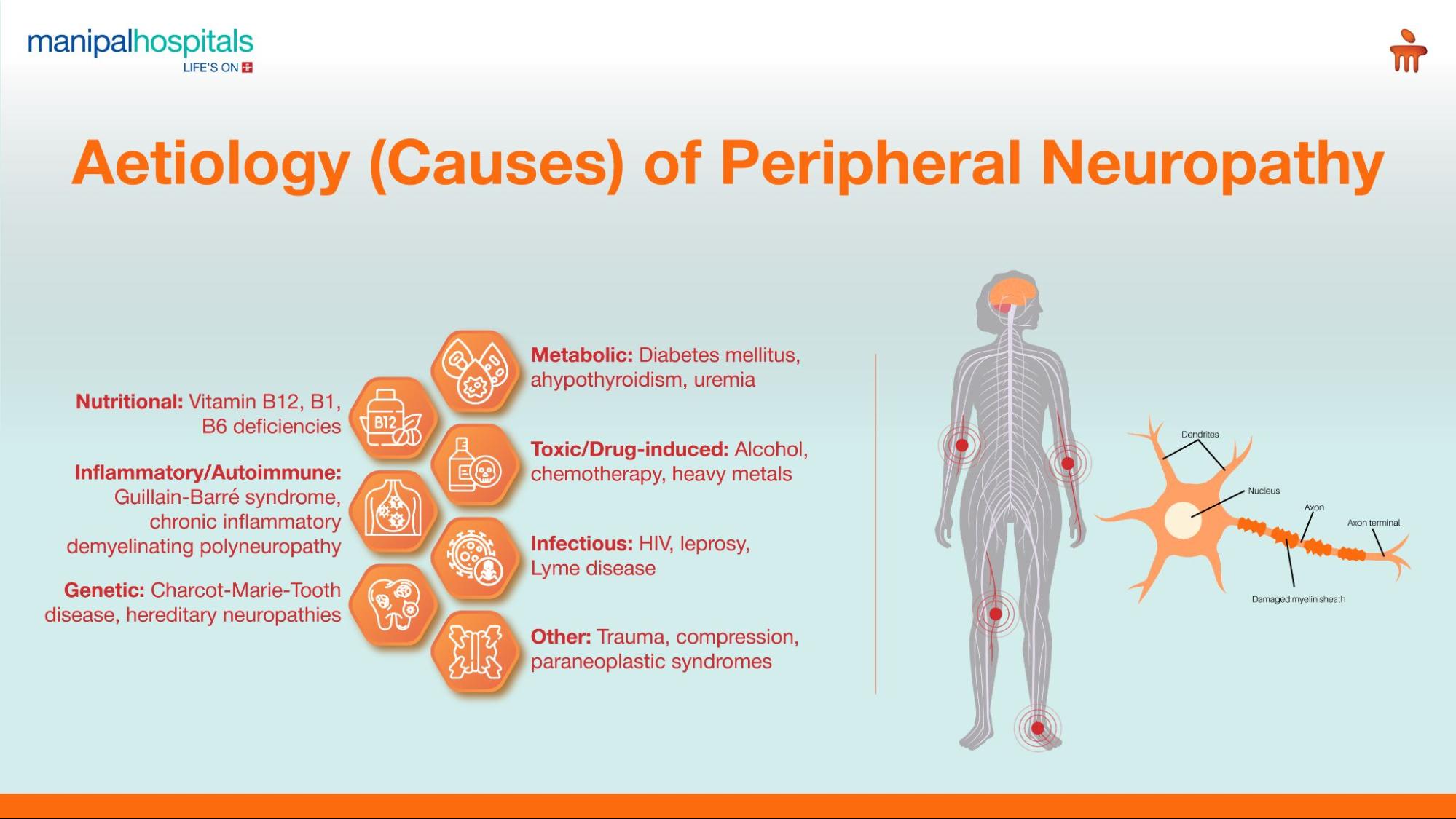
Common Causes
-
Diabetes: One of the most prevalent causes, chronic high blood sugar levels can damage nerves throughout the body. Diabetic neuropathy affects about 50% of people with diabetes, making meticulous blood sugar control a cornerstone of prevention and management.
-
Autoimmune Diseases: Conditions such as rheumatoid arthritis, lupus, Guillain-Barré syndrome, and chronic inflammatory demyelinating polyneuropathy (CIDP) can cause the immune system to attack nerve tissue.
-
Infections: Certain viral or bacterial infections, including Lyme disease, shingles (varicella-zoster virus), Epstein-Barr virus, hepatitis B and C, diphtheria, and HIV, can lead to nerve problems.
-
Injuries or Trauma: Physical trauma, such as from car accidents, falls, or sports injuries, can directly damage nerves. Repetitive stress, like that seen in carpal tunnel syndrome, can also lead to localised neuropathy.
-
Vitamin Deficiencies: Lack of certain vitamins, especially B vitamins (B1, B6, B12) and vitamin E, can impair nerve health.
-
Alcoholism: Excessive alcohol consumption can lead to nutritional deficiencies and direct toxic damage to nerve tissue.
-
Exposure to Toxins: Industrial chemicals, heavy metals (like lead and mercury), and certain chemotherapy drugs can be toxic to peripheral nerves.
-
Kidney Disease: Chronic kidney disease can lead to a build-up of toxins in the blood that damage nerves.
-
Tumours: Both cancerous and non-cancerous growths can press on nerves or arise from them. Paraneoplastic syndromes, which are rare immune system responses to cancer, can also cause neuropathy.
-
Genetic Factors: Some forms of peripheral neuropathy are hereditary, such as Charcot-Marie-Tooth disease.
Peripheral Neuropathy Symptoms
The peripheral neuropathy symptoms can vary widely depending on which nerves are affected (sensory, motor, or autonomic) and the extent of the damage. They often develop gradually and can worsen over time without proper management. Recognising these signs early is crucial for timely diagnosis and effective peripheral neuropathy treatment.
Common Symptoms Include:
-
Numbness and tingling in hands and feet: This is often described as a "pins and needles" sensation, typically starting in the extremities and sometimes spreading upwards.
-
Burning sensation in feet and hands: Many patients report a persistent or intermittent burning, throbbing, or aching pain. This type of discomfort is a classic sign of neuropathic pain symptoms.
-
Sharp, jabbing, throbbing, or electrical pain: These can be intense and unpredictable, making daily activities challenging.
-
Extreme sensitivity to touch: Even a light touch or the weight of bedsheets can be excruciatingly painful.
-
Muscle weakness: Difficulty with everyday tasks like walking, lifting objects, or maintaining balance.
-
Lack of coordination and falls: Due to impaired sensory input and muscle control.
-
Muscle wasting: In advanced cases, muscles can visibly shrink.
-
Autonomic nerve problems: If autonomic nerves are affected, symptoms can include heat intolerance, excessive sweating, digestive issues, changes in blood pressure leading to dizziness, and bladder or bowel problems.
If you experience any of these peripheral neuropathy symptoms, especially persistent numbness and tingling in hands and feet or a troubling burning sensation in feet and hands, it is vital to consult a healthcare professional. Our experienced neurologists in Ghaziabad can provide a thorough evaluation.
Peripheral Neuropathy Treatment Options
The primary goals of peripheral neuropathy treatment are to manage the underlying cause, alleviate symptoms, and improve quality of life. While nerve damage can sometimes be permanent, many patients experience significant improvement and even recovery with appropriate interventions. At Manipal Hospitals, our multidisciplinary approach ensures you receive the most effective and personalised care.
Medical and Therapeutic Approaches
-
Treating the Underlying Cause: This is often the most critical step. For instance, rigorous blood sugar control for diabetic neuropathy, vitamin supplementation for deficiencies, or managing autoimmune conditions can halt progression and sometimes reverse nerve damage. Successfully addressing the root cause can lead to nerve regeneration in up to 60% of patients with certain types of neuropathy.
Pain Management:
-
Medications: Various medications are used to relieve neuropathic pain symptoms. These may include specific anti-seizure drugs, antidepressants (which can help with chronic pain), and topical creams.
-
Physical Therapy: Tailored exercises can help improve strength, balance, and coordination, reducing the impact of muscle weakness and improving mobility.
-
Transcutaneous Electrical Nerve Stimulation (TENS): This therapy delivers gentle electrical currents through electrodes placed on the skin, which can help block pain signals.
Lifestyle Modifications:
-
Healthy Diet: A balanced diet rich in vitamins and nutrients supports nerve health.
-
Regular Exercise: Improves blood flow to the extremities, reduces pain, and enhances overall well-being.
-
Avoiding Alcohol and Tobacco: Both can exacerbate nerve damage.
-
Foot Care: Meticulous foot care is essential, especially for those with numbness and tingling in hands and feet, to prevent injuries and infections that might go unnoticed.
-
Advanced Therapies: For more severe or resistant cases, options might include nerve blocks, plasma exchange, or intravenous immunoglobulin (IVIg) for autoimmune-related neuropathies. Our neurologists continually assess the latest advancements to offer cutting-edge care.
Conclusion
Peripheral neuropathy may present with complex and often distressing symptoms, but with timely diagnosis and the right care, it can be effectively managed. Early recognition of warning signs such as numbness, tingling, or persistent pain is crucial in preventing further nerve damage and improving long-term outcomes. At Manipal Hospitals, Ghaziabad, our expert neurologists adopt a patient-centric, multidisciplinary approach to address both the root cause and the symptoms of nerve damage. By combining advanced medical treatments with supportive therapies and lifestyle guidance, we strive to restore function, reduce discomfort, and enhance overall quality of life. Every patient’s journey with peripheral neuropathy is unique, and so is our approach to care; focused, personalised, and evidence-based. If you or a loved one are experiencing symptoms of peripheral neuropathy, seeking expert medical attention can make a meaningful difference in managing the condition and regaining control over your daily life.
FAQ's
Peripheral neuropathy itself is rarely life-threatening, but it can significantly impact quality of life. Life expectancy largely depends on the underlying cause. With proper diagnosis and management, many individuals lead full and active lives. Early and consistent peripheral neuropathy treatment can prevent severe complications.
In some cases, especially if the underlying cause is treatable (e.g., vitamin deficiency, certain infections), peripheral neuropathy can be cured or significantly improved. For chronic conditions like diabetic neuropathy, the focus is on managing symptoms and preventing further nerve damage, often leading to excellent control and reduced symptom burden.
The peripheral nervous system has some capacity for regeneration. If the nerve sheath remains intact, new nerve fibres can sometimes grow. However, the extent of recovery varies greatly depending on the cause, severity, and duration of the damage. Modern peripheral neuropathy treatment aims to support this natural healing process and mitigate symptoms.
While no specific diet cures neuropathy, avoiding foods that exacerbate underlying conditions (like high sugar foods for diabetics) is crucial. Limiting processed foods, excessive saturated fats, and alcohol can also support overall nerve health.
Managing the burning sensation in feet and hands often involves a combination of prescribed medications (like certain anti-seizure drugs or antidepressants), topical creams, physical therapy, and lifestyle adjustments. Your doctor will tailor a plan specific to your neuropathic pain symptoms.
Share this article on: