7 Min Read
For a significant number of women and individuals who menstruate, the monthly cycle brings more than just mild discomfort. While society frequently normalizes menstrual cramps as an annoying but expected part of life, there is a clear distinction between manageable lower abdominal aches and pain that completely disrupts your ability to function. When pelvic pain forces you to miss work, skip school, or remain bedridden for days at a time, it ceases to be a routine inconvenience. It becomes a clinical concern.
Defined as painful menstrual cramps of sufficient severity to interfere with daily activities, dysmenorrhea is one of the most common gynaecological complaints worldwide, yet it remains widely normalised and undertreated. Through this blog experts from a top obstetrics and gynaecology hospital in Dodddaballapur help you understand what dysmenorrhea is, recognizing the dysmenorrhea symptoms that go beyond typical discomfort, and exploring the full spectrum of treatment can transform the way you experience your cycle.
Synopsis
What Is Dysmenorrhea?
Dysmenorrhea is recurrent, cramping lower abdominal pain that occurs just before or during menstruation. The pain is caused by the uterus contracting vigorously to shed its lining, but in dysmenorrhea, those contractions become excessively strong, frequent, or prolonged, often reducing blood flow and oxygen supply to the uterine muscle itself.
While mild discomfort during periods is normal, dysmenorrhea crosses a clinical threshold when the pain:
-
Persistently limits daily activities, work, or school attendance
-
Does not respond adequately to simple over-the-counter measures
-
Is accompanied by significant gastrointestinal or neurological symptoms
-
Worsens progressively over months or years
Understanding what is dysmenorrhea helps you move from self-blame, thinking you simply have a low pain threshold, toward recognising a legitimate medical condition with identifiable mechanisms and targeted solutions.
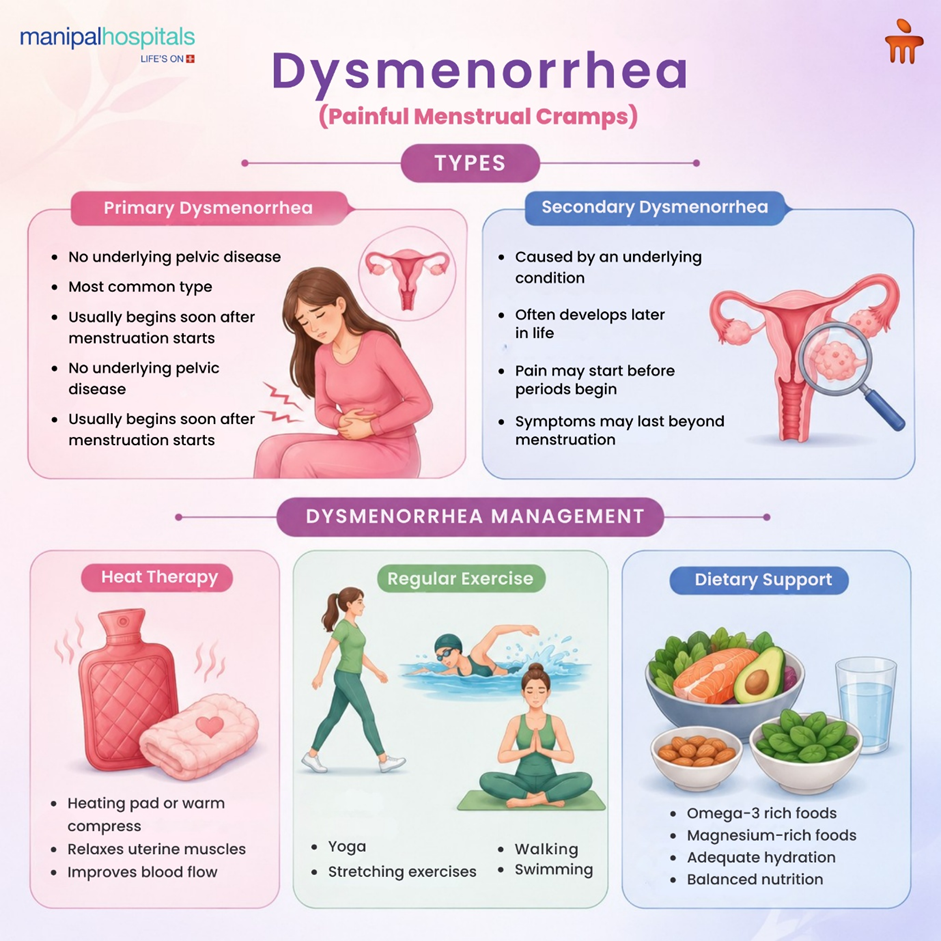
Types of Dysmenorrhea: Primary vs. Secondary
The types of dysmenorrhea are classified by whether the pain arises from the natural menstrual process or from an underlying reproductive disorder. This distinction is fundamental because it shapes the entire treatment pathway.
Primary Dysmenorrhea
This is menstrual pain that occurs without any identifiable pelvic pathology. It typically begins within six to twelve months after a girl starts menstruating, once ovulatory cycles are established. The pain usually starts a few hours before or with the onset of menstrual flow and lasts 48–72 hours. It is almost exclusively linked to the release of hormone-like substances called prostaglandins.
Secondary Dysmenorrhea
This is menstrual pain caused by a specific pelvic condition. It tends to appear later in life, often in the twenties or thirties, though it can occur in adolescents with certain congenital anomalies. The pain may begin days before the period and last throughout menstruation, or even persist after bleeding stops. The cramping sensation may be accompanied by deep, dull aching that is more lateralised or diffuse.
Distinguishing between the two types of dysmenorrhea is essential because primary dysmenorrhea responds well to hormonal and anti-inflammatory strategies, whereas secondary dysmenorrhea demands treatment of the root condition.
Recognising Dysmenorrhea Symptoms Beyond the Cramp
Period pain is a spectrum, and dysmenorrhea symptoms are not always confined to a simple ache in the lower belly. The experience can involve multiple body systems, which often surprises those who have never been told how far-reaching severe cramping can be.
Classic dysmenorrhea symptoms include:
-
Throbbing or cramping lower abdominal pain that can radiate to the lower back and thighs
-
Pelvic heaviness or pressure that worsens with standing or walking
-
Gastrointestinal disturbances such as nausea, vomiting, diarrhoea, or bloating
-
Headaches and dizziness, often hormone-linked
-
Generalised fatigue and a sensation of being physically drained
-
Emotional lability, irritability, or a feeling of being on edge
-
Difficulty concentrating or brain fog during the first days of menses
In secondary dysmenorrhea, additional symptoms may surface depending on the underlying cause. For example, pain during intercourse, irregular bleeding between periods, or bowel and bladder symptoms during menstruation can point toward conditions like endometriosis or adenomyosis.
Tracking your symptoms in a diary, noting timing, intensity, associated features, and impact on daily living, provides invaluable information for your gynaecologist.
Dysmenorrhea Causes: Chemistry and Underlying Conditions
Exploring dysmenorrhea uncovers two broad categories: the biochemical milieu of primary pain and the structural or inflammatory disorders that drive secondary pain.
Causes of Primary Dysmenorrhea
The central culprit is an excess of endometrial prostaglandins, particularly prostaglandin F2-alpha. These lipids are produced as the uterine lining breaks down, and they trigger intense, uncoordinated uterine contractions. Higher prostaglandin levels also sensitise pelvic nerve endings and cause systemic symptoms like nausea and diarrhoea. Other contributing factors can include:
-
Elevated vasopressin, which constricts uterine blood vessels
-
Lower pain tolerance related to hormonal fluctuations
-
Psychological stress, which can amplify pain perception through central nervous system pathways
-
Lifestyle factors such as smoking and poor nutrition
Causes of Secondary Dysmenorrhea
This type arises from identifiable pelvic pathology. The most common dysmenorrhea causes in this category include:
-
Endometriosis: Tissue resembling the uterine lining grows outside the uterus, leading to chronic inflammation, scarring, and severe cramping that often begins days before menstruation.
-
Adenomyosis: Endometrial tissue grows into the muscular wall of the uterus, causing a diffusely enlarged, tender uterus and prolonged, heavy, and painful periods.
-
Uterine fibroids (leiomyomas): Benign tumours in the uterine muscle can distort the uterine cavity and interfere with normal muscle contraction, leading to pain and heavy bleeding.
-
Pelvic inflammatory disease (PID): Chronic or recurrent infections can cause scarring and adhesions within the pelvis, resulting in painful periods and chronic pelvic pain.
-
Cervical stenosis: A narrowing of the cervical opening restricts menstrual flow, leading to a build-up of intrauterine pressure and severe cramping.
-
Ovarian cysts: Large or complex cysts can cause pressure and discomfort that intensify around menstruation.
Only a thorough gynaecological evaluation can reliably differentiate these underlying dysmenorrhea causes. The good news is that once the cause is identified, highly effective interventions become available.
Dysmenorrhea Treatment: A Multi-Pronged Approach
The landscape of dysmenorrhea treatment is broad, empowering, and far from a one-size-fits-all prescription. Whether your pain is primary or secondary, a combination of medical therapy, lifestyle modification, and, when necessary, surgical intervention can restore your comfort and control.
First-Line Measures and Self-Care
-
Heat therapy: Applying a heating pad or warm water bottle to the lower abdomen relaxes the uterine muscle and improves local blood flow. Continuous low-level heat has been shown to be as effective as some analgesics in mild to moderate pain.
-
Regular physical activity: Exercise releases endorphins, the body’s natural painkillers, and reduces stress. Low-impact activities like walking, swimming, and yoga during the premenstrual and menstrual days can significantly ease cramping.
-
Dietary adjustments: A diet rich in anti-inflammatory foods, omega-3 fatty acids from fish and flaxseed, magnesium from leafy greens and nuts, and vitamin B1, has been associated with reduced menstrual pain. Avoiding excessive salt, caffeine, and sugar may lessen bloating and breast tenderness.
-
Stress management: Mindfulness, diaphragmatic breathing, and adequate sleep support the hypothalamic-pituitary-ovarian axis and may reduce pain perception.
Pharmacological Therapy
-
Non-steroidal anti-inflammatory drugs (NSAIDs): Ibuprofen, naproxen, or mefenamic acid are the mainstay of primary dysmenorrhea treatment. They work by inhibiting prostaglandin production. Starting the medication a day or two before the expected onset of pain and taking it regularly, not just when the pain peaks, yields the best results.
-
Hormonal contraception: Combined oral contraceptive pills, the contraceptive patch, vaginal ring, or the hormonal intrauterine system (LNG-IUS) suppress ovulation and thin the endometrial lining, thereby reducing prostaglandin production. For many women, these methods substantially decrease or eliminate period pain and also provide reliable contraception.
-
Other hormonal agents: Progestin-only pills, etonogestrel implants, or GnRH agonists may be considered in specific secondary dysmenorrhea conditions like endometriosis, under specialist guidance.
Surgical and Procedural Interventions
When secondary dysmenorrhea causes are identified and do not respond to medical management, minimally invasive procedures may be recommended:
-
Laparoscopic excision or ablation: For endometriosis, keyhole surgery can remove or destroy endometrial implants and adhesions, significantly relieving pain.
-
Myomectomy: Fibroids can be surgically removed while preserving the uterus.
-
Endometrial ablation: In select cases, destroying the uterine lining can reduce bleeding and pain.
-
Hysterectomy: As a last resort, removal of the uterus, and sometimes the ovaries, may be considered for severe, treatment-resistant disease and when childbearing is complete.
When to Seek Professional Help for Period Pain
A threshold has been crossed when your quality of life is compromised every month. You should consider a consultation if you experience:
-
Period pain that regularly prevents you from attending school, work, or social commitments
-
Pain that does not respond to over-the-counter anti-inflammatories taken as directed
-
A dramatic change in your pain pattern, new intensity, longer duration, or onset later in life
-
Heavy menstrual bleeding with clots, or bleeding between periods
-
Pain during intercourse or pain with bowel movements during menstruation
-
Difficulty conceiving along with painful periods
Ignoring these signals does not make them disappear, and untreated secondary dysmenorrhea can lead to progressive disease, fertility implications, and chronic pelvic pain syndromes.
Conclusion
Dysmenorrhea, whether primary or secondary, is a common medical condition that can significantly affect daily activities and quality of life. Understanding its causes, recognising the associated symptoms, and seeking timely medical evaluation can help ensure appropriate management. With a range of effective dysmenorrhea treatment options available today, many women can achieve better symptom control and improved menstrual health. If you are experiencing persistent or severe period pain, consult the specialists at Manipal Hospital Doddaballapur, a top obstetrics and gynaecology hospital in Doddaballapur, for comprehensive evaluation and personalised care.
FAQ's
No. Mild discomfort is common, but pain that interferes with daily functioning is not normal and warrants evaluation. Many women have their dysmenorrhea normalised by societal narratives, but severe pain often signals primary dysmenorrhea needing treatment or an underlying condition like endometriosis.
Primary dysmenorrhea often improves after childbirth or with age as prostaglandin levels stabilise. However, secondary dysmenorrhea typically worsens over time as the underlying condition, such as endometriosis or fibroids, progresses. Any worsening pattern should be assessed.
Endometriosis-related pain often starts before the period, lasts throughout menstruation, and may involve deep pelvic pain, painful intercourse, painful bowel movements during menses, and infertility. A definitive diagnosis requires laparoscopic visualisation, but careful symptom tracking and imaging can raise suspicion.
Hormonal contraceptives significantly reduce pain for most women with primary dysmenorrhea by suppressing ovulation and thinning the endometrial lining. However, they are not universally effective, and some secondary causes may require additional targeted treatment. A gynaecologist can guide you toward the best option.
It begins with a comprehensive evaluation, detailed history, physical exam, and ultrasound, to differentiate primary from secondary dysmenorrhea. Treatment may include NSAID regimens, hormonal therapy, lifestyle counselling, or advanced laparoscopy for conditions like endometriosis or fibroids, all delivered in a supportive, patient-centred setting at Manipal Hospital Doddaballapur.
Share this article on: