6 Min Read
Facing a cancer diagnosis and embarking on the journey of treatment is undoubtedly one of life's most challenging experiences. While advancements in oncology offer tremendous hope, treatments like chemotherapy and radiation therapy, though vital, often come with a range of side effects. Among these, cancer fatigue stands out as one of the most debilitating and frequently misunderstood challenges. It's more than just feeling tired; it's an overwhelming exhaustion that can impact every aspect of a patient's life. At Manipal Hospitals, we understand these struggles. Our dedicated team of oncologists in Delhi is committed to not only providing cutting-edge treatment but also ensuring comprehensive support for managing chemotherapy side effects and radiation therapy side effects, with a special focus on effective cancer fatigue management.
This blog post aims to shed light on what cancer fatigue truly is, its underlying causes, and practical strategies to help you regain your energy and improve your quality of life during and after treatment. Informed patients are empowered patients, ready to participate in their healing journey actively.
Synopsis
Understanding Cancer Fatigue: More Than Just Tiredness
Cancer fatigue, often referred to as cancer-related fatigue (CRF), is a persistent, subjective sense of tiredness or exhaustion related to cancer or cancer treatment that interferes with usual functioning. Unlike regular tiredness that improves with rest, cancer fatigue is profound, doesn't alleviate easily, and can be present even on days when no physical activity has been undertaken. Research indicates that up to 90% of cancer patients report experiencing some level of fatigue, with a significant portion finding it severe enough to impact their daily lives.
This debilitating exhaustion can manifest in various ways, including:
-
A lack of energy for everyday tasks.
-
Feeling tired even after a full night's sleep.
-
Difficulty concentrating or thinking clearly (often called "chemo brain").
-
Muscle weakness or heaviness.
-
A general feeling of malaise or indifference.
-
Increased irritability or emotional sensitivity.
Understanding that this is a common and legitimate chemotherapy side effect and radiation therapy side effect is the first step towards effective cancer fatigue management.
The Causes Behind Cancer Fatigue
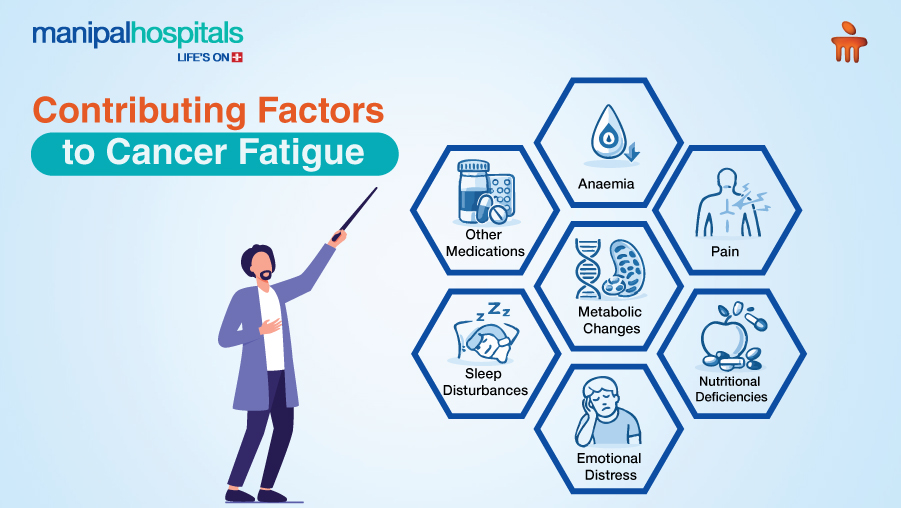
The origins of cancer fatigue are complex and often multifaceted, stemming from both the disease itself and the treatments used to combat it. Identifying the specific causes can help tailor more effective cancer fatigue management strategies.
Direct Treatment-Related Factors:
-
Chemotherapy Side Effects: Chemotherapy drugs are designed to kill rapidly dividing cancer cells, but they can also affect healthy, fast-growing cells, such as those in the bone marrow (leading to anaemia) or the digestive tract. This collateral damage causes inflammation and can lead to anaemiaa, nutritional deficiencies, and organ stress, all contributing to profound fatigue.
-
Radiation Therapy Side Effects: Radiation therapy targets specific areas, but the energy required for cellular repair in the irradiated area, coupled with localised inflammation, can cause significant energy drain. Patients often experience cumulative fatigue, especially towards the end of their treatment course.
Strategies for Effective Cancer Fatigue Management
While eliminating cancer fatigue may not always be possible during active treatment, numerous strategies for effective cancer fatigue management can significantly improve your energy levels and overall well-being. A multi-pronged approach, often guided by our oncologists in Delhi and their support teams, yields the best results.
Communication is Key:
The most crucial step is to openly discuss your fatigue with your healthcare team. Describe its intensity, how it affects your daily life, and any patterns you observe. Your doctor can help rule out treatable causes like anaemia or thyroid imbalance and suggest appropriate interventions.
Lifestyle Interventions:
-
Gentle Physical Activity: Counterintuitively, light to moderate exercise is one of the most effective ways to combat cancer fatigue. Studies have shown that patients who engage in regular, gentle activities like walking, yoga, or stretching can reduce their fatigue by up to 50%. Start small, listen to your body, and gradually increase activity as tolerated.
-
Balanced Nutrition: Fuel your body with nutrient-dense foods. Focus on lean proteins, whole grains, fruits, and vegetables. Stay well-hydrated. Small, frequent meals can be easier to manage if appetite is low. A dietitian can provide personalised guidance, especially when dealing with chemotherapy side effects that affect appetite.
-
Prioritise Sleep Hygiene: Establish a regular sleep schedule, create a comfortable sleep environment, and avoid caffeine or heavy meals close to bedtime. If insomnia is a significant issue, discuss it with your doctor.
-
Pacing and Prioritising: Learn to conserve energy by pacing your activities. Break down large tasks into smaller ones. Prioritise what's most important and don't hesitate to ask for help with less critical tasks. Recognise your personal energy peaks and plan demanding activities for those times.
-
Stress Reduction Techniques: Practices like mindfulness meditation, deep breathing exercises, gentle tai chi, or spending time in nature can help manage the emotional toll of cancer and its treatments, thereby reducing fatigue.
Medical Interventions:
Depending on the underlying causes, your doctor may recommend medical interventions:
-
Treating Anaemia: If anaemia is identified as a major contributor to fatigue, your doctor may prescribe iron supplements or, in some cases, red blood cell transfusions or erythropoiesis-stimulating agents.
-
Pain Management: Effective control of pain can significantly improve energy levels and sleep quality.
-
Medication Review: Your healthcare team may adjust other medications that could be contributing to fatigue.
-
Psychological Support: Counselling or support groups can help address anxiety, depression, and emotional distress, which are often intertwined with fatigue.
Empowering Yourself: Regaining Energy and Quality of Life
The journey through cancer treatment is personal, and so is the path to regaining energy. Remember that feeling fatigued is not a sign of weakness, nor is it something you have to endure alone. Thousands of patients successfully navigate these challenges. For instance, thanks to advancements in treatment and comprehensive support care, many cancer survivors report a significant return to their pre-treatment energy levels within months of completing therapy. Patient-focused care, like that offered by our oncologists in Delhi, aims for not just survival, but thriving beyond cancer.
Embrace self-compassion, celebrate small victories, and focus on gradual progress. Building a strong support system with family, friends, and support groups can also provide immense emotional and practical assistance.
Managing cancer fatigue is an integral part of your overall treatment plan and recovery. By understanding its causes, employing effective cancer fatigue management strategies, and working closely with your healthcare team at Manipal Hospitals, you can significantly improve your energy levels and quality of life. Remember, your well-being is our priority, and we are here to support you every step of the way, helping you reclaim your vitality beyond the challenges of chemotherapy side effects and radiation therapy side effects.
conclusion
If you are experiencing persistent fatigue or other challenging symptoms related to your cancer treatment, it's crucial to seek timely medical advice. Book an appointment with our expert oncologists at Manipal Hospitals today.
FAQ's
The duration of cancer fatigue varies. It can start during treatment, persist for weeks or months after treatment completion, and in some cases, last for years. Open communication with your doctor is key to managing its duration.
Not necessarily. While advancing cancer can cause fatigue, it is also a very common chemotherapy side effect and radiation therapy side effect. Your doctor will evaluate your overall condition to determine the cause.
Always consult your oncologist before taking any supplements, as some can interfere with cancer treatments or have their own side effects. A balanced diet is generally the safest and most effective approach to nutritional support.
Regular tiredness improves with rest. Cancer fatigue is a profound, overwhelming exhaustion that persists even after adequate sleep and is often accompanied by cognitive and emotional symptoms, greatly impacting daily function.
While no single "cancer fatigue diet" exists, a balanced diet rich in whole foods, lean proteins, and complex carbohydrates is generally recommended. Hydration is also crucial. A dietitian can offer personalised advice.
Share this article on: