
 5 Min Read
Have you ever felt a sudden burning sensation while urinating, an urgent need to rush to the bathroom, or lower abdominal discomfort? You are not alone. Urinary tract infections (UTIs) are extremely common in women and often mistaken for minor irritation. However, if left untreated, a simple bladder infection can progress and cause more serious complications.
Based on the Global Burden of Disease (GBD) Study 2021, the burden of urinary tract infections (UTIs) in women increased significantly between 1990 and 2021. In 2021 alone, over 320 million cases were reported worldwide, along with more than 120,000 associated deaths.
Women are more likely than men to develop UTIs due to anatomical and hormonal factors. Recognising early urinary tract infection symptoms in females and seeking timely treatment can help prevent complications and promote faster recovery.
Synopsis
What is a Urinary Tract Infection?
A urinary tract infection (UTI) is a common infection that affects any part of the urinary system, including the urethra, bladder, or kidneys. Most UTIs are caused by bacteria, commonly Escherichia coli (E. coli). Less commonly, they may be caused by fungi and rarely by viruses, particularly in immunocompromised individuals.
UTIs are generally classified as:
-
Urethritis - infection of the urethra
-
Cystitis - infection of the bladder (most common)
-
Pyelonephritis - infection of the kidneys (more serious)
Understanding the type of infection helps guide appropriate treatment.
Early Warning Signs of UTI In Women
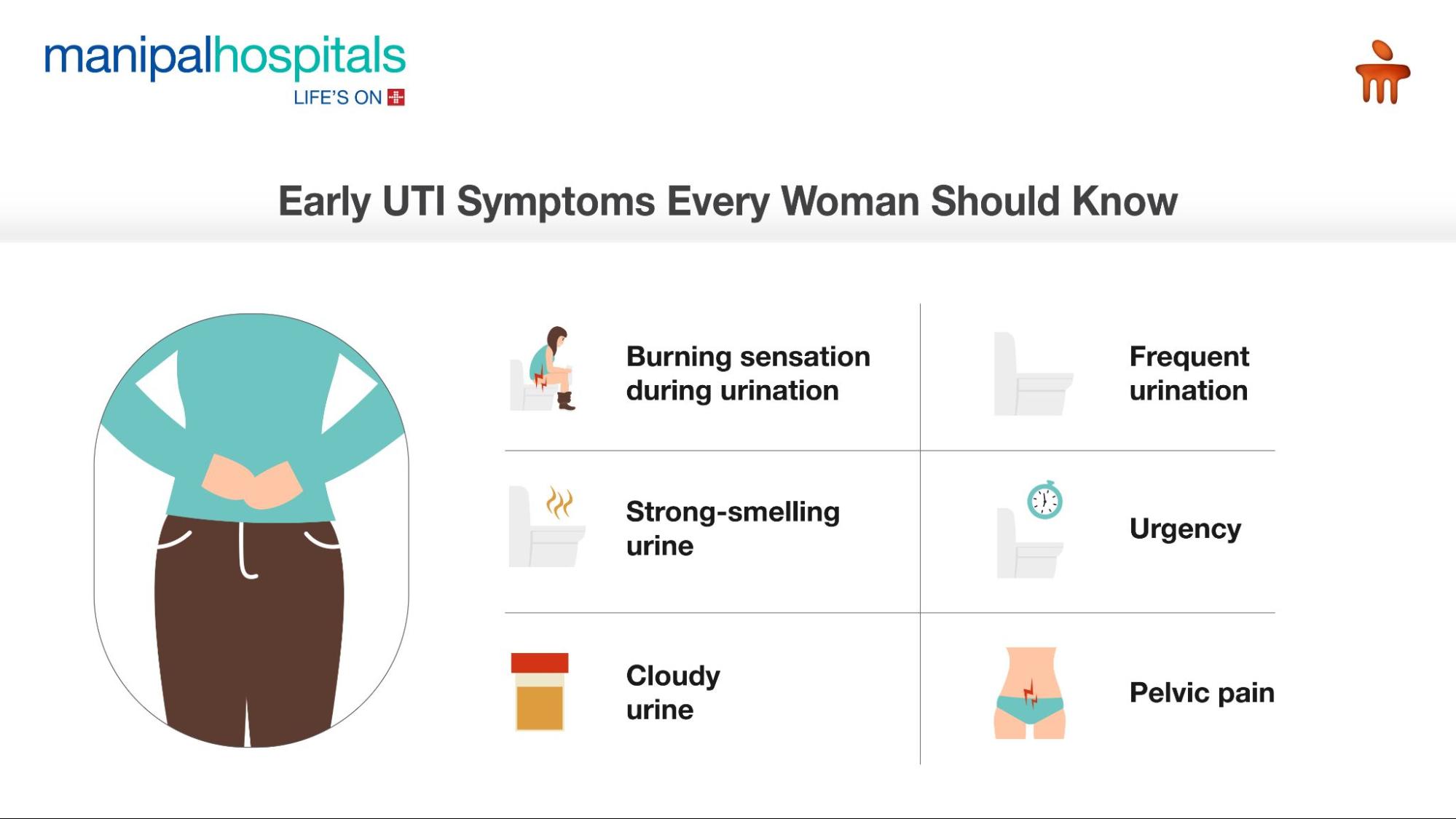
Symptoms can vary in severity; therefore, early detection is essential to prevent progression. Common symptoms include:
-
Pain or burning sensation during urination
-
Strong, frequent urge to urinate
-
Cloudy, strong-smelling, or bloody urine
-
Cramping pain or pressure in the lower abdomen or pelvic area
-
Sensation of incomplete bladder emptying
If the infection spreads to the kidneys (pyelonephritis), symptoms may include:
-
Fever
-
Chills
-
Nausea or vomiting
-
Back or flank pain
-
Extreme fatigue
Seek medical care if symptoms persist beyond 48 hours or worsen.
Women who are pregnant, postmenopausal, diabetic, immunocompromised, or prone to recurrent infections should seek early medical evaluation, as they are at higher risk for complications.
Causes of UTI in Women
Understanding the various UTI causes helps improve prevention and significantly reduces the risk of recurrence. Several factors increase susceptibility:
-
Female anatomy: A shorter urethra allows bacteria easier access to the bladder.
-
Hormonal changes: Reduced oestrogen in perimenopausal and menopausal women alters normal vaginal flora.
-
Incomplete bladder emptying: Residual urine promotes bacterial growth.
-
Poor hygiene practices: Wiping back to front can transfer faecal bacteria to the urethra.
-
Sexual activity: May introduce bacteria into the urinary tract.
-
Certain contraceptives: Spermicides, spermicide-coated condoms, and diaphragms can disrupt the natural vaginal flora.
-
Structural abnormalities: Kidney stones, bladder diverticula, urinary obstruction, or other anatomical abnormalities can impair urine flow and allow bacteria to multiply.
-
Indwelling catheters: A major cause of hospital-acquired UTIs due to bacterial colonisation and biofilm formation.
-
Delayed urination: Frequently holding urine reduces natural bacterial flushing.
Treatment Options for UTI
Standard treatment for a UTI usually involves a short course of oral antibiotics. The type and duration of UTI treatment depend on the severity of the infection, the causative bacteria, and the patient’s overall health. It also depends on whether the infection is a first episode or recurrent.
-
Uncomplicated UTI: A short duration of antibiotics, usually 3–7 days, is often sufficient.
-
Complicated UTI: May require a longer antibiotic course and urine culture-guided therapy, especially in pregnancy, diabetes, recurrent infections, or kidney involvement.
It is important to complete the full antibiotic course, even if symptoms improve early, to prevent recurrence and antibiotic resistance.
Symptom Relief: Urinary analgesics and over-the-counter pain relievers may reduce burning and discomfort. However, they do not cure the infection and should be used alongside antibiotics.
Home Care and Supportive Measures
UTI home remedies act as supportive care to relieve symptoms but cannot replace antibiotics.
Helpful measures include:
-
Drinking plenty of water
-
Urinating frequently and completely emptying the bladder
-
Avoiding caffeine and alcohol
-
Using a heating pad for pelvic discomfort
-
Avoiding irritating feminine hygiene products
Cranberry products may help prevent recurrent UTIs in some women, but do not treat active infections.
Conclusion
Urinary tract infection symptoms in females are common but should not be ignored. Early recognition of symptoms, understanding risk factors, and timely antibiotic treatment prevent complications and promote faster recovery. If symptoms persist or recur, medical evaluation is essential for proper diagnosis and personalised treatment.
At Manipal Hospitals, experienced urologists provide comprehensive care for urinary tract infections, including evaluation, treatment, and recurrence prevention strategies.
FAQ's
UTI diagnosis begins with symptom assessment and urine testing (urinalysis). The presence of white blood cells, nitrites, and bacteria supports the diagnosis. In recurrent or complicated cases, urine culture or imaging may be required.
No, UTI symptoms are usually mild in the early stages, such as a slight burning sensation or urgency, but can worsen if left untreated. Identifying the symptoms and addressing them properly can prevent their progression and other complications.
UTIs themselves are not contagious. However, in susceptible people, sexual activity can transfer bacteria into the urinary tract and increase the risk of infection.
Some mild infections may improve temporarily, but most require antibiotics. Delayed treatment can allow bacteria to spread to the kidneys and increase the risk of serious complications.
Seek medical care if symptoms persist beyond 48 hours or worsen, or if fever, back pain, vomiting, or blood in urine occurs. High-risk individuals should consult a doctor promptly if symptoms do not improve.
Share this article on: