


 9 Min Read
Weight gain is one of the biggest problems in the midst of changing lifestyles and busy lives. And one of the common and quick weight loss techniques diet and fitness-conscious people follow is the keto diet. However, keto diet side effects are real — and the keto diet is not all healthy as it can have some serious consequences.
Synopsis
What is the Keto Diet?
The keto diet is a high-fat, low-carbohydrate diet that is designed to help the body enter a state of ketosis, in which it begins to burn fat for energy instead of carbohydrates. The keto diet typically involves reducing carbohydrate intake to less than 50 grams per day, while increasing healthy fat consumption. This is achieved by eating a diet that is rich in fatty meats, eggs, nuts, and dairy products, and avoiding foods that are high in carbohydrates, such as bread, pasta, and sugary drinks. Other foods that may be included in a keto diet include low-carbohydrate vegetables, such as leafy greens, tomatoes and cucumbers.
It is important to note that the specific foods included in a keto diet may vary depending on an individual's needs and preferences. Do consult with a healthcare professional before starting any new diet to get the best weight loss results.
Does the Keto Diet Work?
The keto diet has been shown to be effective for weight loss and may have other health benefits, such as reducing the risk of certain diseases, such as diabetes. However, it can be difficult to follow and may not provide all the nutrients your body needs. It has now been proven in many studies that the keto diet is only a temporary solution to lose weight and that it is not sustainable. A ketogenic diet should not be mistaken for a balanced diet, as this diet may not be suitable for everyone.
Short-Term vs. Long-Term Effects of the Keto Diet
Before starting any diet we often wonder about the safety of it. The same goes for the keto diet as well. The safety of keto diet differs significantly by duration, and an individual’s health profile. And there are several short term and long term effects to this high fat diet:
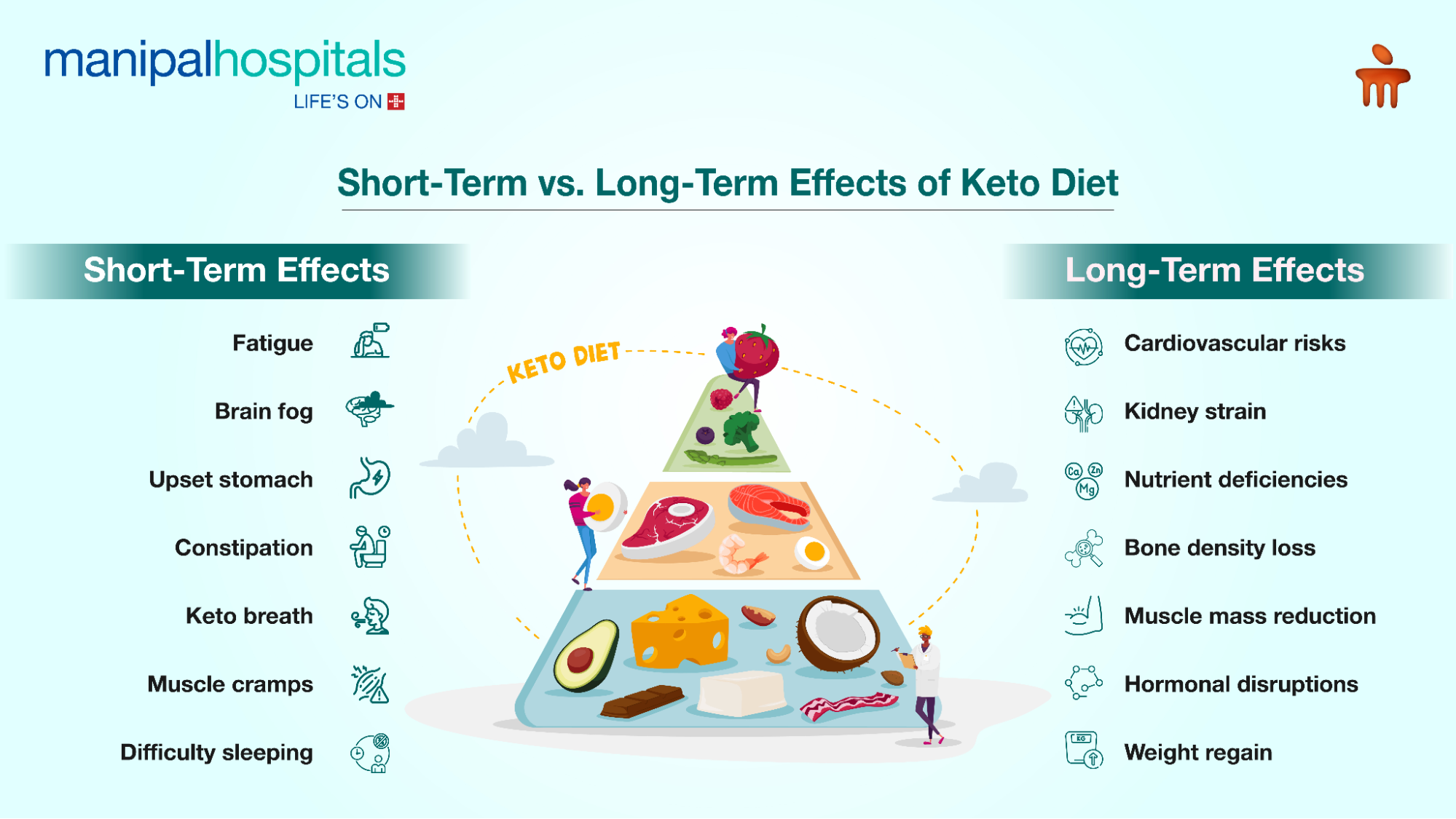
Short-Term Side Effects (First 2–8 Weeks)
When you first begin the keto diet, your body undergoes a significant metabolic shift. During this adjustment phase, many people experience what is commonly called the "keto flu" - a few temporary symptoms that typically resolve within a few weeks. Common short-term keto side effects include:
-
Fatigue and low energy - as your body transitions from burning glucose to fat
-
Headaches and brain fog - due to electrolyte imbalances and reduced carbohydrate intake
-
Nausea and upset stomach - a common digestive response to the high-fat diet
-
Constipation - resulting from reduced fibre intake
-
Bad breath (keto breath) - caused by acetone, a byproduct of ketosis
-
Muscle cramps - from loss of electrolytes like magnesium, potassium, and sodium
-
Difficulty sleeping - especially in the initial weeks
These effects are generally temporary, but they signal how drastically the diet affects your body's normal functioning.
Long-Term Side Effects of Keto (Beyond 3–6 Months)
If you're wondering, is keto dangerous when followed for extended periods - the evidence suggests there are genuine risks. Long-term adherence to the ketogenic diet has been associated with:
-
Cardiovascular risks - increased LDL (bad) cholesterol and arterial stiffness
-
Kidney strain - the high protein and fat load can stress the kidneys over time
-
Nutrient deficiencies - chronic lack of fibre, vitamins B and C, and key minerals
-
Bone density loss - some studies link prolonged ketosis to reduced bone health
-
Muscle mass reduction - continued loss of lean muscle, not just fat
-
Hormonal disruptions - particularly in women, affecting menstrual cycles and thyroid function
-
Weight regain - most people regain weight rapidly once they return to normal eating
Keto Diet Advantages and Disadvantages
Before deciding whether keto is right for you, it helps to weigh the full picture.
Keto Diet Advantages and Disadvantages
|
Advantages |
Disadvantages |
|
Rapid weight loss particularly effective in the short term |
Hard to sustain long-term extremely restrictive and socially challenging |
|
Improved insulin sensitivity beneficial for people with type 2 diabetes or pre-diabetes |
Nutrient deficiencies lacks adequate fiber, vitamins, and minerals |
|
Reduced appetite high fat intake promotes satiety and reduces cravings |
Keto side effects including fatigue, bad breath, constipation, and brain fog |
|
Potential neurological benefits originally developed to manage epilepsy; still used therapeutically |
Heart health concerns increased saturated fat intake raises cardiovascular risk |
|
Lower triglyceride levels some studies show improvement in certain blood lipid markers |
Muscle loss lean muscle mass is sacrificed alongside fat |
|
Reduced blood sugar spikes cutting carbohydrates naturally stabilises blood glucose levels |
Weight regain after stopping most people regain weight quickly |
Understanding both sides of the keto diet advantages and disadvantages helps you make a more informed decision rather than following the diet based on hype alone.
Why Keto Could Be a Bad Idea for Your Weight Loss
The ketogenic diet, with its emphasis on high-fat intake, can offer several health benefits, including weight loss and improved insulin sensitivity. However, like any dietary plan, the keto diet has its potential risks and drawbacks. Some common keto diet side effects include:
Increases the Risk of Heart Problems
In a ketogenic diet, foods that raise heart risk are actively encouraged. Researchers have claimed that the keto diet's high-fat intake may be harmful to the heart. Additionally, some studies claim that the ketogenic diet makes the arteries stiff, making it one of the most serious keto diet side effects
Weight Regain
The major problem with the keto diet is that most people tend to put the weight back on after quitting because they start consuming carbs again. That's why many people prefer to lose weight with a balanced diet instead of the keto diet — the results are more permanent.
Less Muscle Mass
Due to the burning of fat, muscle mass is also burned. This makes you slim quickly. If you are eating too much fat instead of protein, this diet will reduce weight, but a significant portion of the total weight loss will also come from muscle, since muscle burns more calories than fat. When a person comes off a ketogenic diet, they will likely regain most of the original weight, but with more fat gain than lean muscle.
Unpleasant Side Effects
Some people may experience bad breath, constipation, and reduced physical performance when they first start the keto diet. These keto side effects are typically temporary and can be managed by making adjustments to the diet.
Nutrient Deficiency
Because the keto diet is very low in carbohydrates, it may not provide all the nutrients that your body needs, such as fibre and certain vitamins and minerals. This can result in weakness and other complications over time.
Is Keto Ruining Your Relationship with Food?
Beyond the physical side effects, there is a psychological aspect to the keto diet, which is that it affects your relationship with food:
Extreme Restriction
Cutting carbohydrates down to under 50 grams a day means eliminating or severely limiting entire food groups, such as fruits, grains, legumes, and many vegetables. For many people, this level of restriction doesn't just change what they eat; it changes how they think about food.
Food Guilt
Sometimes, following a strict keto plan can foster guilt around eating. Even a single slice of bread or a small portion of rice can be perceived as breaking the diet. This black-and-white thinking, where food is labelled either safe or dangerous, can create an unhealthy relationship with eating.
Over time, this mindset can contribute to:
-
Orthorexic tendencies - an obsessive preoccupation with eating correctly
-
Social anxiety around food - difficulty eating at restaurants, family gatherings, or social events
-
Binge-restrict cycles - periods of extreme restriction followed by overconsumption
-
Increased stress and guilt - using food as a measure of self-worth or discipline
Isolation and Social Consequences
Food is deeply social and cultural. The keto diet's strictness can make shared meals feel like mental gymnastics by scanning menus for carb counts, turning down birthday cakes, or feeling unable to eat freely at celebrations.
Disordered Eating
Nutritional therapists and psychologists increasingly raise concerns that highly restrictive diets like keto can either trigger or worsen disordered eating patterns in vulnerable individuals. If you find yourself preoccupied with food rules, feeling anxious about eating outside of the plan, or swinging between restriction and bingeing, it may be worth speaking to a mental health professional alongside a dietician.
Who Should Not Follow the Keto Diet?
There are certain groups of people who may want to avoid the keto diet, or at least consult a healthcare professional before starting it. These groups include:
-
People with Kidney Disease - The high fat and protein load can put extra strain on the kidneys.
-
People with Pancreatitis - The keto diet may worsen pancreatic inflammation.
-
Women who are Pregnant or Breastfeeding - The diet may not provide adequate nutrients for the baby and can interfere with breast milk production.
-
Children and Adolescents - May not receive the nutrients required for growth and development.
-
People with Liver Disease - The liver is responsible for breaking down fats; added strain can worsen liver conditions.
Conclusion
Many health experts caution against keto because it is not a balanced diet. It eliminates entire food groups, promotes high intake of saturated fats, leads to muscle loss, and produces only temporary weight loss results. Most people regain the weight once they return to normal eating, often gaining more fat than they originally lost. Combined with the psychological toll and potential for disordered eating, many nutritionists prefer evidence-based, sustainable dietary approaches over the keto diet for long-term health.
If you are interested in understanding more about the keto diet and alternative diets for weight loss, do visit our experts at the Department of Nutrition. They will discuss the potential benefits and side effects and determine which diet would work best for you.
FAQ's
Regular use of the keto diet can result in a deficiency of vital nutrients and constipation. In addition to that, there are other short-term side effects such as fatigue, headache, brain fog, and upset stomach.
The keto diet may not be suitable for people with certain health conditions, such as kidney disease, pancreatitis, or liver disease. It may also not be suitable for women who are pregnant or breastfeeding, or for children and adolescents.
A person should not continue to be on a keto diet for more than 6 months, and ideally not beyond 90 days without close medical supervision.
A keto diet is sometimes associated with an increase in LDL cholesterol, which can build up in blood vessels and lead to clots.
According to recent studies, a keto diet can increase the risk of cardiovascular diseases due to its high saturated fat content and the effect it has on arterial stiffness and cholesterol levels.
For most healthy adults, keto may be safe in the short term (30–90 days) under medical guidance. However, long-term keto dieting carries significant risks, including nutrient deficiencies, cardiovascular strain, and muscle loss.
Share this article on:






