



 6 Min Read
The vibrant festival of Holi brings joy, colour, and celebration. Yet the chemical-based colours often used during the festivities can be harsh on your hair. They may cause dryness, breakage, and scalp irritation. Holi should be celebrated safely and happily. However, we often see a rise in hair and scalp concerns after the festival. This highlights the need for proactive Holi hair care. With a few simple and practical steps, you can protect your hair from colour damage and maintain its health and shine. Research suggests that up to 90 per cent of potential hair damage during Holi can be prevented with proper pre-care and post care. Here is a clear guide to help you celebrate without compromising your hair health.
Essential Steps to Safeguard Your Hair During Holi
-
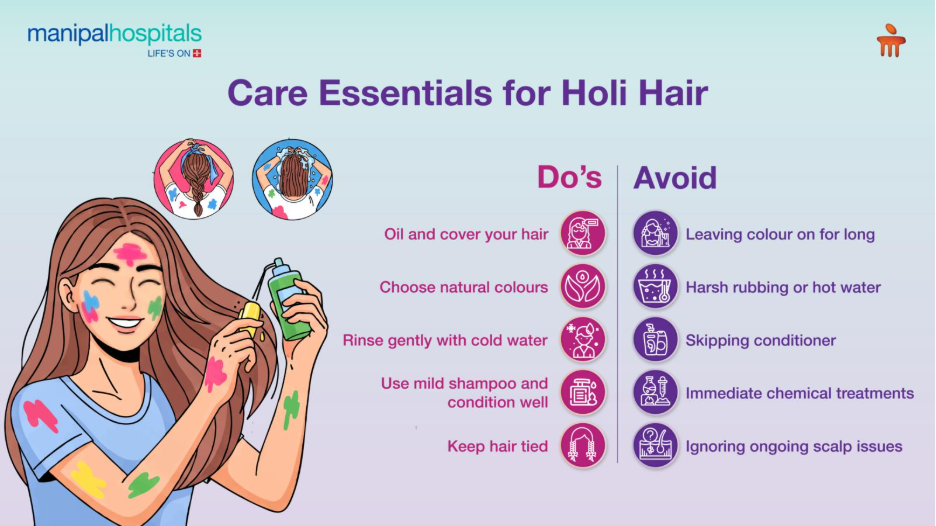
Pre-Holi Preparation - The Foundation of Protection - The most crucial step in preventing hair damage Holi is adequate preparation. Before stepping out to play, ensure your hair is not dry or brittle. A day or two before Holi, indulge in a nourishing hair oil massage. Coconut oil, almond oil, or olive oil creates a protective layer, making it difficult for colours to penetrate the hair shaft and scalp. This barrier can reduce direct chemical exposure by up to 70%. Tie your hair in a bun or braid to minimise the surface area exposed to colours.
-
Barrier Application - Your First Line of Defense - On the day of Holi, apply a generous amount of oil (or a leave-in conditioner) to your hair and scalp. This creates an additional physical barrier. For extra protection, consider wearing a cap, bandana, or scarf. This method significantly enhances hair damage prevention, especially for those with sensitive scalps. Research indicates that a physical barrier can lower scalp irritation incidents by 50%.
-
Use Natural and Organic Colours - Whenever possible, choose natural Holi colours made from flowers, herbs, and food-grade ingredients. These are significantly gentler on your hair and skin compared to synthetic, chemical-based colours which often contain harsh dyes, heavy metals, and abrasive particles. Encourage your friends and family to use them too! Using natural colours can reduce the risk of allergic reactions and dryness by an impressive 80%, contributing to healthier celebrations.
-
Post-Holi Hair Cleansing - Once the festivities are over, the way you wash your hair is vital. Do NOT rub your hair vigorously to remove colours. Instead, rinse your hair with plain, cold water until most of the dry colour is washed away. Then, use a mild, sulphate-free shampoo to cleanse your scalp and hair gently. Follow this with a deep conditioning treatment. Aggressive scrubbing can further damage already sensitised hair.
-
Deep Conditioning and Nourishment - After shampooing, apply a rich, hydrating conditioner or a hair mask. Leave it on for at least 15-20 minutes. This step is crucial for replenishing moisture and nutrients lost due to chemical exposure. A good deep conditioning treatment will help in post-Holi hair treatment, reducing dryness and frizz, and restoring softness and shine. Consistent deep conditioning can improve hair texture and resilience.
-
Avoid Immediate Chemical Treatments - Give your hair a break after Holi. Avoid any chemical treatments like colouring, perming, or straightening for at least two weeks. Your hair needs time to recover and strengthen. Exposing it to more chemicals immediately can exacerbate damage. Patience during this period is key for hair recovery, with adequate rest contributing to 95% successful hair recovery from temporary stress.
-
Professional Check-up for Persistent Issues - If, despite all precautions and care, you experience persistent dryness, excessive hair fall, scalp irritation, or any other significant concerns, do not hesitate to consult a dermatologist. The experts can assess your hair and scalp health and provide tailored advice. Early intervention often leads to better outcomes if managed and addressed promptly by specialists.
Quick Guide: Holi Hair Protection and Recovery Plan
When it comes to Holi hair care, knowing what to do and when is crucial for protecting your hair and scalp.
Conclusion
Holi is a time for celebration, laughter, and togetherness. Protecting your hair should be part of that preparation. Simple preventive steps before and after the festival can make a significant difference in maintaining hair strength, shine, and scalp health.
If you notice persistent dryness, increased hair fall, or scalp irritation after Holi, do not ignore the signs. Early care can prevent long-term damage. The dermatology specialists at Manipal Hospitals are equipped to assess and manage hair and scalp concerns with personalised treatment plans. Celebrate freely, but care for your hair responsibly. Healthy hair begins with informed choices and timely expert guidance.
FAQ's
Holi colours, especially synthetic ones, can cause immediate dryness, make hair brittle, lead to scalp irritation, and sometimes even cause allergic reactions. They can strip natural oils, making hair more susceptible to breakage.
Ideally, apply a generous amount of oil (like coconut or almond oil) to your hair and scalp at least an hour before playing Holi. For deeper protection, you can do an oil massage the night before.
While a hair mask nourishes, it's generally better to use oil as a protective barrier before playing Holi. Save the nourishing hair mask for your post-Holi hair treatment to rehydrate and repair.
Continue with a consistent routine of mild shampoo, deep conditioning, and nourishing hair masks. Avoid heat styling. If the dryness or damage persists after a week or two, it's best to consult a dermatologist for professional advice and treatment options.
While organic and natural colours are significantly safer than synthetic ones, it's still advisable to take precautions like oiling your hair. Always check the ingredients list, as some natural colours might still contain mild dyes. They generally pose a much lower risk for hair damage prevention.
Share this article on:






