
 5 Min Read
Could mild chest discomfort, unusual tiredness, or breathlessness during routine activity be a sign of something more serious? Many people dismiss these symptoms as stress, acidity, or ageing. However, these can be early signs of heart blockage.
Heart blockage, medically known as coronary artery disease (CAD), occurs when the arteries supplying the heart narrow and reduce blood flow. Because CAD develops slowly and silently, many people overlook warning signs until complications arise. Cardiovascular diseases (CVDs) are the leading cause of death globally. As per the Global Burden of Disease (GBD) 2021 study, in India alone, CVD accounted for approximately 2.9 million deaths in 2021. This highlights the serious burden of heart diseases such as CAD.
Understanding heart blockage symptoms and treatment options can make a life-saving difference. In this blog, we explain what heart blockage is, the symptoms you should never ignore, and what to do next.
Synopsis
What Is Heart Blockage?
Heart blockage happens when fatty plaque slowly builds up inside the arteries that supply blood to the heart. Over time, the narrowing of the arteries reduces blood flow and deprives the heart of the oxygen and nutrients it needs to work properly.
For many people, this process develops quietly over the years without obvious warning signs. Symptoms often appear only when the heart is under pressure, such as during exercise or emotional stress. In some cases, the first clear sign is a sudden and serious heart attack, which is why heart blockage is often described as a “silent condition”.
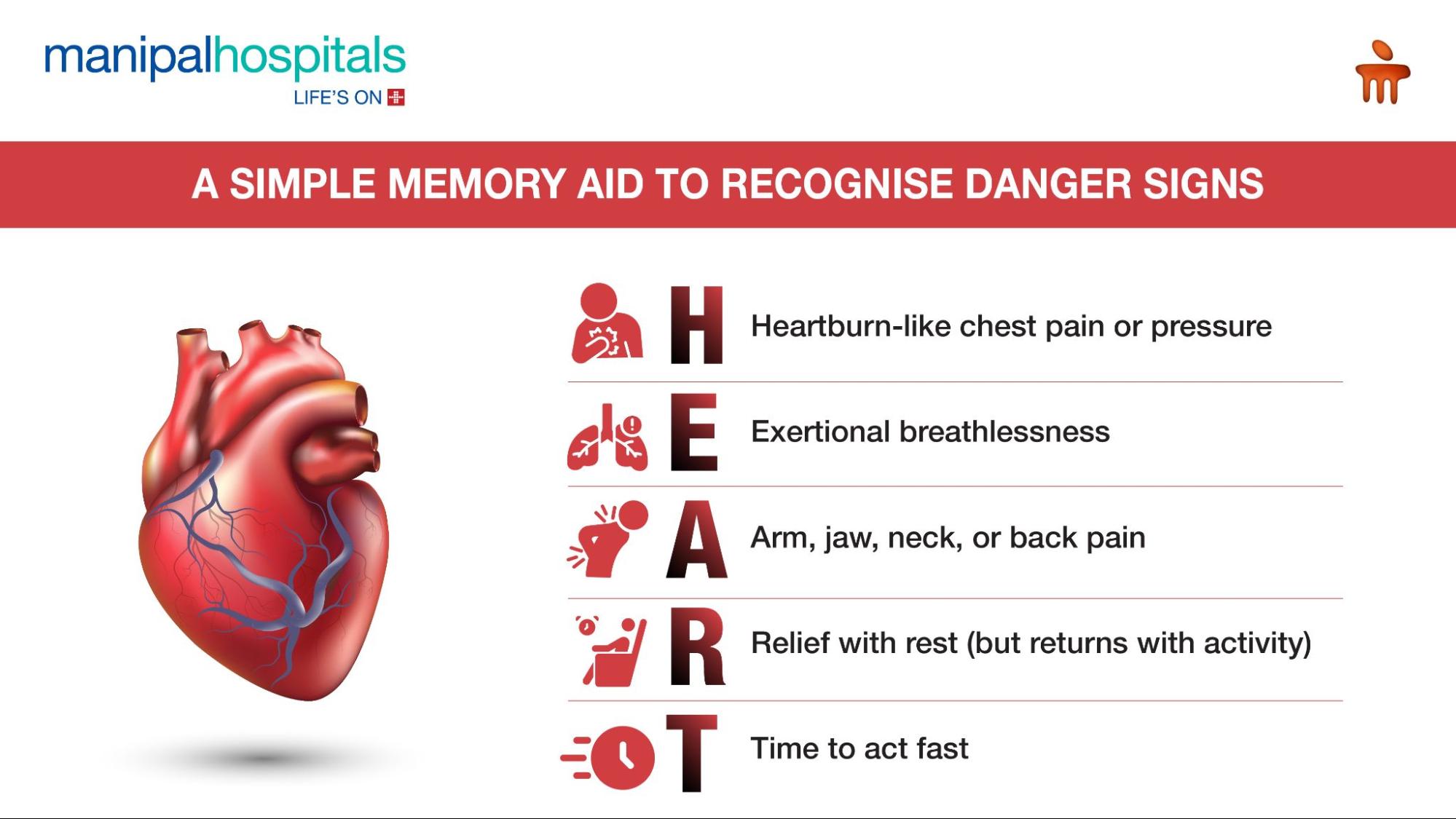
Common Heart Blockage Symptoms
Heart blockage symptoms can develop gradually over time or appear suddenly when blood flow to the heart becomes severely reduced.
-
Chest pain (angina): A feeling of pressure, tightness, heaviness, or squeezing in the chest, often triggered by physical activity or emotional stress and easing with rest.
-
Pain spreading to other areas: Discomfort may travel to the arm, shoulder, back, neck, jaw, teeth, or upper abdomen.
-
Shortness of breath: Feeling breathless during mild activity or even at rest because the heart is not receiving enough oxygen-rich blood.
-
Fatigue: Ongoing or unusual tiredness that feels out of proportion to everyday activities.
-
Cold sweats: Sudden sweating without an obvious cause, sometimes occurring alongside chest discomfort.
-
Nausea or vomiting: A sick feeling that may be mistaken for indigestion or acidity.
-
Dizziness or light-headedness: Feeling faint or unsteady due to reduced blood flow.
Women, older adults, and people with diabetes may not experience classic chest pain. Instead, they may notice nausea, jaw or back pain, extreme fatigue, or sudden breathlessness. Some people may have no warning signs until a heart attack occurs.
Heart Blockage Causes
Heart blockage usually develops because of a slow, ongoing process called atherosclerosis, a condition linked to long-term damage to the arteries. Common causes and risk factors include high cholesterol, smoking, high blood pressure, diabetes, excess body weight, and a lack of regular physical activity.
Over time, this damage makes the arteries narrower and less flexible, making it harder for blood to flow freely to the heart. Reduced blood flow increases the risk of chest pain and a heart attack.
This process isn’t always limited to the heart. Many people with heart blockage also have similar narrowing in other arteries, such as those supplying the neck or the legs, which can lead to additional circulation problems.
Heart Blockage Treatment
Treatment depends on how severe the blockage is and may include:
-
Medicines to reduce clot risk and improve blood flow
-
Cholesterol-lowering drugs to slow plaque buildup
-
Blood pressure and diabetes control medicines
-
Lifestyle changes such as diet, exercise, and smoking cessation
-
Procedures like angioplasty with stent placement
-
Advanced options such as heart blockage surgery (coronary bypass surgery)
Early diagnosis and timely treatment can greatly improve outcomes and overall quality of life.
Conclusion
Heart blockage can become life-threatening if ignored, and missing early warning signs may lead to serious complications. Because symptoms are often subtle or absent, regular health checks and early awareness are vital. Paying attention to heart blockage symptoms and treatment options early allows timely care and lifestyle changes that can reduce the risk of a heart attack. If you notice chest discomfort, breathlessness, fatigue, or dizziness, seek medical advice promptly. Manipal Hospitals provides expert cardiac care and personalised treatment plans to support early diagnosis, effective management, and long-term heart health.
FAQ's
Severity is often described as the heart blockage percentage, which shows how much a coronary artery has narrowed. Mild blockages may not cause symptoms, while severe blockages increase the risk of chest pain and heart attack.
Yes, heart blockage can develop silently for years without obvious warning signs. Some people only notice symptoms during exertion. In rare cases, the first sign may be a sudden heart attack.
Doctors diagnose heart blockage using tests, such as ECG, stress testing, CT coronary angiography, or cardiac catheterisation. These tests help assess blood flow and identify how much the arteries are narrowed.
In many cases, yes. Healthy eating, regular exercise, quitting smoking, and controlling blood pressure, cholesterol, and blood sugar can greatly reduce risk. Prevention is especially important for people with a family history or existing risk factors.
Seek medical care if chest discomfort, breathlessness, fatigue, dizziness, or nausea persists or worsens. Early evaluation allows timely treatment of heart blockage symptoms, helping prevent complications. Sudden or severe chest pain should be treated as an emergency.
Share this article on: