
 5 Min Read
Cervical cancer is one of the most preventable cancers when detected early. However, many women overlook mild or unusual symptoms, assuming they are normal hormonal changes. This can delay diagnosis and treatment.
It is the fourth most common cancer among women worldwide. According to the WHO, nearly 1 in 5 women diagnosed with cervical cancer globally is from India. The country also accounts for about 25% of global deaths from the disease, primarily due to late detection. This highlights the urgent need for regular screening and awareness.
Understanding cervical cancer symptoms and causes is crucial for early detection and prevention. In this blog, we explore the early warning signs, causes, diagnosis, treatment options, and preventive measures for cervical cancer.
Synopsis
What Is Cervical Cancer?
Cervical cancer develops in the cells of the cervix, the lower part of the uterus that connects to the vagina. It occurs when cervical cells undergo abnormal changes and multiply uncontrollably.
Most cases are linked to persistent infection with high-risk types of Human Papillomavirus (HPV), a common virus transmitted through sexual contact. With routine screening and the cervical cancer vaccine (HPV), the risk can be significantly reduced.
Early Cervical Cancer Symptoms You Should Not Ignore
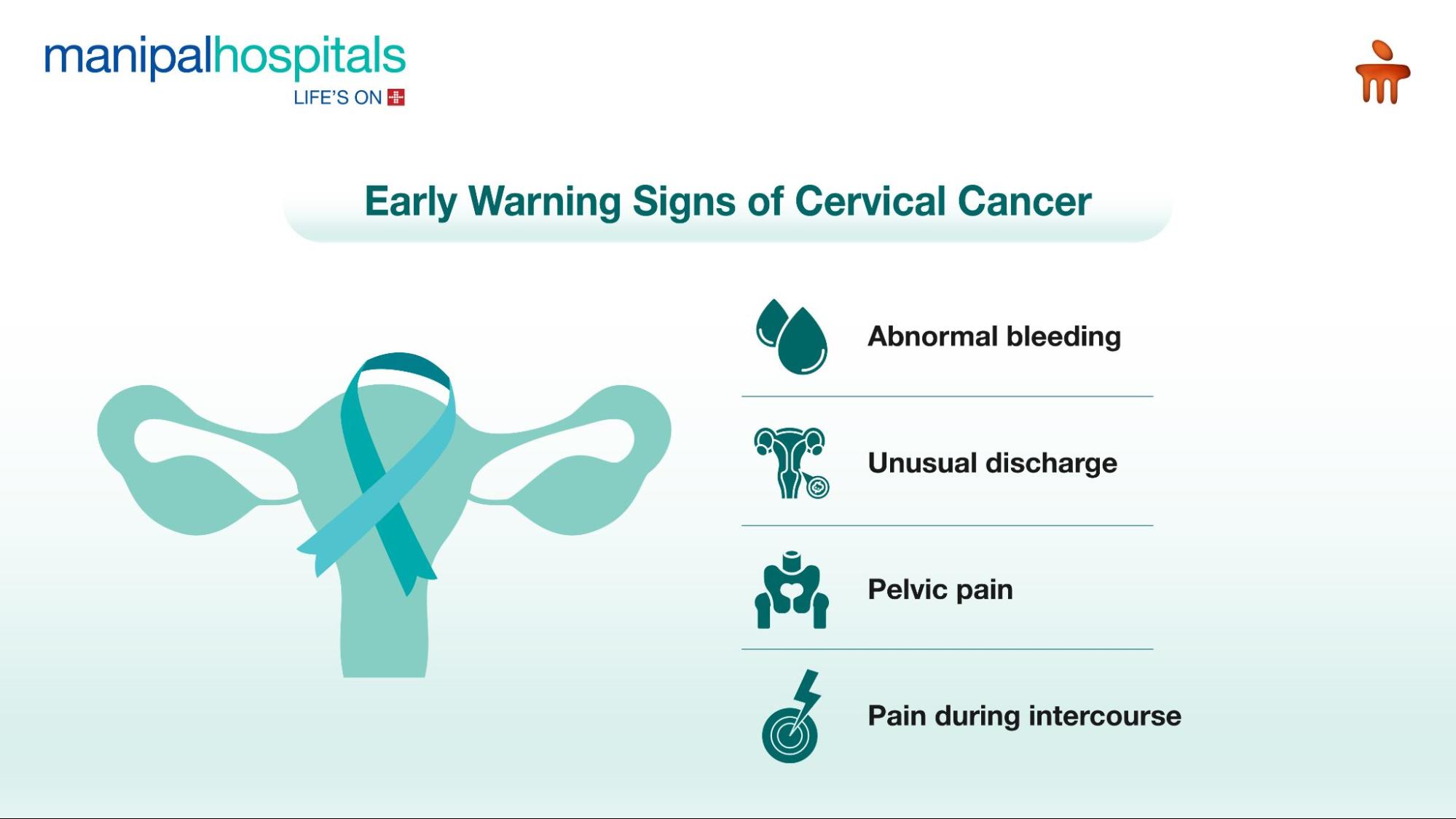
Early-stage cervical cancer may not cause symptoms, making routine screening essential. When symptoms occur, they may include:
1. Abnormal Vaginal Bleeding
This is the most common early symptom. Any bleeding outside your normal menstrual cycle should be evaluated, including:
-
Bleeding between periods
-
Bleeding after sexual intercourse
-
Bleeding after menopause
-
Heavier or longer menstrual periods than usual
2. Unusual Vaginal Discharge
Persistent changes in vaginal discharge may be concerning, such as:
-
Watery, pale, or foul-smelling discharge
-
Blood-stained discharge
-
Noticeable increase in volume or change in consistency
3. Pelvic Pain
Ongoing pelvic, lower abdominal, or lower back pain not related to menstruation can be an early warning sign of cervical cancer. This may occur due to tumour pressure on surrounding tissues and nerves.
4. Pain During Intercourse (Dyspareunia)
Discomfort or pain during sexual activity may sometimes indicate cervical inflammation, infection, or abnormal cell changes.
Symptoms of Advanced Disease
If cancer spreads beyond the cervix, symptoms may include:
-
Painful or difficult urination, sometimes with blood in the urine
-
Constipation, rectal pain, or bleeding
-
Persistent back pain or leg swelling
-
Unexplained fatigue, weight loss, or anaemia
Consult a gynaecologist if you experience persistent abnormal bleeding, discharge, or pelvic pain.
Causes of Cervical Cancer
The main cause is long-term infection with high-risk HPV. Although HPV infection is very common and often clears naturally, persistent infection can lead to precancerous changes in cervical cells, which may progress to cancer over time.
Modifiable Risk Factors:
-
Early sexual activity (before 18 years)
-
Multiple sexual partners
-
Smoking
-
HIV infection or weakened immunity
-
Long-term use of oral contraceptives (over 5 years)
-
Lack of regular Pap smear or HPV screening
Non-modifiable Risk Factor:
-
Family history of cervical cancer (slightly increases risk)
Having one or more risk factors does not necessarily mean you will develop cervical cancer, but it increases the importance of regular check-ups.
How is Cervical Cancer Diagnosed?
Routine preventive screening helps detect cervical changes early.
Screening Tests:
-
Pap smear test: Detects abnormal or precancerous cervical cells early.
-
HPV test: Identifies high-risk HPV strains linked to cervical cancer
If screening results are abnormal, further evaluation may include:
-
Colposcopy: A detailed examination of the cervix using a special magnifying instrument
-
Biopsy: Removal of a small tissue sample to confirm the presence of cancer
If cancer is confirmed, additional tests such as blood tests, urine tests, liver and kidney function tests, and imaging (CT, MRI, or X-rays) help determine whether it has spread.
Cervical cancer is staged from Stage I (confined to the cervix) to Stage IV (spread to distant organs), which guides treatment decisions.
Treatment for Cervical Cancer
Cervical cancer treatment depends on the stage of the disease:
-
Early stages: Surgery or fertility-preserving minimally invasive procedures, depending on the patient’s condition.
-
Locally advanced stages: Concurrent chemoradiation (combination of chemotherapy and radiation therapy).
-
Advanced stages: A combination of chemotherapy, radiation therapy, targeted therapy, or selected surgical interventions, based on overall health and disease spread.
Prevention of Cervical Cancer
The risk of cervical cancer can be significantly reduced through:
-
HPV vaccination, as recommended
-
Girls aged 9–14 years: one- or two-dose schedule
-
Girls and women aged 15–20 years: one- or two-dose schedule
-
Women older than 21 years: two doses given with a 6-month interval
-
-
Regular Pap smear and HPV screening
-
Safe sexual practices
-
Avoiding smoking
Maintaining a healthy lifestyle, including good nutrition and overall wellness, supports immune function.
Conclusion
Cervical cancer develops gradually and often begins with precancerous changes that can be detected early through screening. Recognising cervical cancer symptoms and causes allows timely intervention and better outcomes.
With regular screening and HPV vaccination, cervical cancer is one of the most preventable cancers. At Manipal Hospitals, our experienced gynaecologists provide comprehensive screening, accurate diagnosis, and personalised treatment to ensure the best possible outcomes.
FAQ's
Yes. Early-stage cervical cancer often causes no symptoms, which is why periodic screening is important. When symptoms do appear, the most common early sign is abnormal vaginal bleeding, especially after intercourse, between menstrual periods, or after menopause.
Screening recommendations vary based on age and medical history. Generally, women aged 21–65 should undergo regular Pap smears and/or HPV testing as advised by their doctor.
Cervical cancer stages are classified from Stage I to Stage IV:
-
Stage I: Limited to the cervix
-
Stage II: Spread beyond the cervix to nearby tissues
-
Stage III: Reached the pelvic wall or affected kidney function
-
Stage IV: Spread to nearby or distant organs
Consult a doctor if you experience abnormal vaginal bleeding, persistent unusual discharge, pelvic pain, or pain during intercourse. Recurrent or unexplained symptoms should always be evaluated.
Cervical cancer can often be cured when detected and treated at an early stage. Early-stage disease has a high survival rate with appropriate treatment. Outcomes depend on the stage at diagnosis, overall health, and response to therapy.
Share this article on: