


 7 Min Read
Fatigue is one of the most common anaemia symptoms in women and also the most commonly dismissed symptom. Most women attribute fatigue to stress, poor sleep, and a busy schedule. What often goes unexamined is whether fatigue has a physiological origin, specifically whether the blood is carrying enough oxygen to meet the body's demands.
Anaemia, defined in women as a haemoglobin level below 12 g/dL, is among the most prevalent conditions affecting women globally. According to the WHO Global Anaemia Estimates 2025, 30.7% of women aged 15-49 were anaemic in 2023. In India, the burden is considerably higher. Despite its prevalence, anaemia is often diagnosed late, after symptoms have persisted for months.
This article explains how low haemoglobin affects the body, which symptoms should prompt testing, and why early diagnosis matters.
Synopsis
What Does Haemoglobin Do and How Is It Linked to Anaemia?
Haemoglobin is a protein inside red blood cells (RBCs). Its job is to pick up oxygen from the lungs and deliver it to every tissue in the body. When haemoglobin levels fall, the body’s oxygen supply is compromised.
Anaemia occurs when either the number of healthy red blood cells is too low or the haemoglobin inside those cells is insufficient. In both cases, organs and muscles receive less oxygen than they need to function normally.
The most common type of anaemia in women is iron deficiency anaemia. Iron is the raw material the body uses to produce haemoglobin. Without adequate iron, production slows, RBCs become smaller and less effective, and oxygen delivery falls short.
Why Do Women Face a Higher Risk of Anaemia Than Men?
Women are at a higher risk of anaemia due to physiological and life-stage-related factors.
-
Menstrual blood loss: Heavy or prolonged periods can deplete iron faster than it is replaced through diet.
-
Pregnancy and Breastfeeding: Iron requirements nearly double during pregnancy. Inadequate iron stores increase the risk of preterm delivery and low birth weight. Postpartum blood loss, breastfeeding, and short intervals between pregnancies further reduce iron reserves.
-
Age-related factors: After menopause, anaemia is more often linked to vitamin B12 or folate deficiency, chronic inflammation, or underlying medical conditions affecting red blood cell production.
Additional contributors include poor dietary intake, restrictive dieting, PCOS with heavy bleeding, and gastrointestinal disorders that impair iron absorption.
Early Signs of Low Haemoglobin in Women
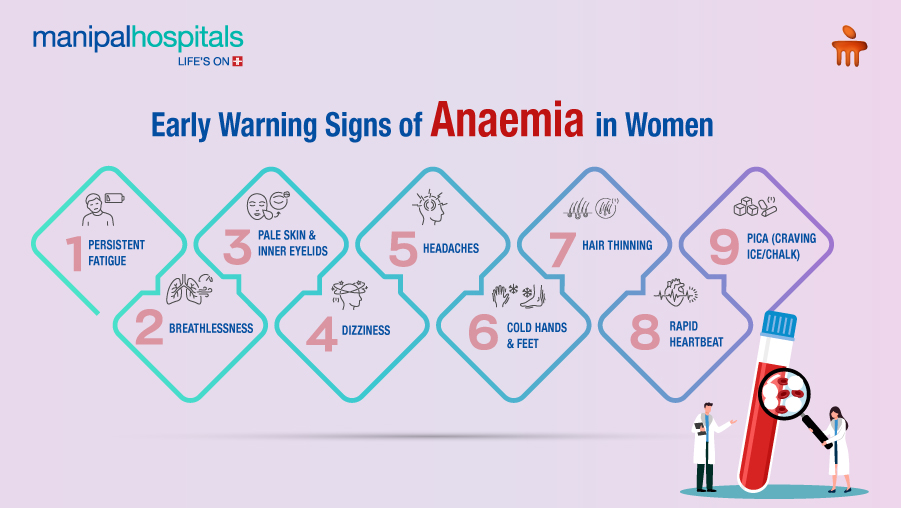
Early symptoms often develop gradually and may be mistaken for lifestyle-related fatigue. Recognising them is essential for timely diagnosis and appropriate treatment.
-
Persistent fatigue: Feeling unusually tired despite adequate rest is often the first sign. This occurs due to reduced oxygen delivery to muscles and the brain, which lowers energy production.
-
Breathlessness: Shortness of breath during routine activities may occur as the heart compensates for reduced oxygen-carrying capacity. Tasks like climbing stairs, walking, or carrying groceries may feel unusually exhausting.
-
Pale skin, lips, and inner eyelids: Haemoglobin gives blood its red colour. When levels drop, tissues may appear pale, especially the inner lower eyelids, palms, nail beds, and face.
-
Frequent headaches and difficulty concentrating: Reduced oxygen supply to the brain can cause persistent headaches and poor focus.
-
Dizziness or light-headedness: Especially noticeable when standing up, this may indicate reduced blood flow and oxygen delivery to the brain.
-
Cold hands and feet: When haemoglobin is low, reduced oxygen-carrying capacity may contribute to poor peripheral circulation, causing cold extremities.
-
Unusual cravings (pica): Craving non-food substances such as ice, chalk, or clay can signal a significant iron deficiency.
-
Hair thinning or increased hair fall: Iron plays a key role in hair follicle function. Prolonged deficiency may disrupt the normal hair growth cycle.
-
Rapid or irregular heartbeat: Tachycardia or palpitations may occur as the heart compensates for reduced oxygen-carrying capacity.
When Does Low Haemoglobin Become an Emergency?
Most cases of anaemia develop slowly and are manageable with treatment. However, urgent medical attention is required if you experience:
-
Chest pain
-
Severe breathlessness at rest
-
Fainting
-
Persistent rapid heartbeat
These may indicate significant cardiovascular strain due to severe anaemia.
Diagnosis: What to Expect
Anaemia is diagnosed through a standard blood test called a Complete Blood Count (CBC), which measures haemoglobin levels, red blood cell count, and related markers. A haemoglobin level below 12 g/dL in adult women indicates anaemia.
Depending on the result, your doctor may order further tests to identify the cause of anaemia:
-
Peripheral blood smear - to examine red blood cell size and shape
-
Serum ferritin and iron studies - to detect iron deficiency
-
Vitamin B12 and folate levels - to rule out nutritional deficiencies
-
Reticulocyte count - to assess bone marrow response
Identifying the underlying cause is essential to guide appropriate treatment and prevent recurrence.
How Is Anaemia Treated?
Anaemia treatment depends on the cause:
-
Iron deficiency anaemia: Iron supplementation and dietary modification
-
Vitamin deficiency anaemia: Vitamin B12 or folate supplementation
-
Chronic disease-related anaemia: Management of the underlying condition
-
Severe cases: Symptomatic or severe anaemia may require intravenous iron, while blood transfusion is reserved for critical or life-threatening cases.
Iron-rich foods include leafy greens, lentils, beans, jaggery, red meat, eggs, and fortified cereals. Vitamin C-rich foods help improve iron absorption.
Conclusion
Anaemia in women often develops silently, with early signs such as fatigue, pale skin, and dizziness frequently overlooked. Due to menstrual blood loss, pregnancy, and other physiological demands, women remain at a higher risk of low haemoglobin levels. A simple blood test can confirm the diagnosis.
Recognising anaemia symptoms in women early and seeking timely medical evaluation can prevent complications and restore overall well-being. A balanced diet, routine health check-ups, and prompt treatment play a vital role in maintaining healthy haemoglobin levels and long-term health. At Manipal Hospitals, comprehensive diagnostic services and expert medical care are available to help detect, treat, and effectively manage anaemia across all age groups.
FAQ's
Normal haemoglobin levels in adult women range between 12 and 16 g/dL. A level below 12 g/dL is classified as anaemia. Levels between 8 and 11 g/dL indicate moderate anaemia, while levels below 8 g/dL are considered severe.
Haemoglobin levels typically begin to improve within 4–8 weeks of starting iron supplementation. However, restoring iron stores fully may require 3–6 months of treatment. Stopping supplements too early is a common cause of relapse.
Common types include:
-
Iron deficiency anaemia (most common)
-
Vitamin B12 deficiency anaemia
-
Folate deficiency anaemia
-
Anaemia of chronic disease
-
Haemolytic anaemia (due to premature red blood cell destruction)
-
Aplastic anaemia (bone marrow failure)
Accurate diagnosis is essential to determine appropriate treatment.
Women of reproductive age, pregnant women, and those with heavy menstrual bleeding should undergo routine screening. A Complete Blood Count (CBC) during an annual health check is advisable, especially for women experiencing fatigue, breathlessness, or hair thinning.
Untreated anaemia can cause persistent fatigue, reduced immunity, and poor concentration. Severe cases may strain the heart, leading to palpitations or heart failure. During pregnancy, it increases the risk of preterm delivery, low birth weight, and delayed recovery after childbirth.
Share this article on:






