7 Min Read
Turning 40 is an important milestone for preventive healthcare. As age increases, the risk of developing several types of cancer also rises significantly. While many cancers may not cause noticeable symptoms in their early stages, timely cancer screening tests can help detect abnormalities before the disease progresses.
Early diagnosis often improves treatment success, survival rates, and long-term health outcomes. Understanding which cancer screening tests are recommended after 40 can help individuals make informed decisions about preventive healthcare and reduce the risk of delayed cancer diagnosis.
At Manipal Hospitals, our oncologists in Patiala encourage proactive cancer prevention through evidence-based screening programmes tailored to age, family history, lifestyle, and individual risk factors.
Synopsis
- Why Cancer Screening Tests Become More Important After 40
- Breast Cancer Screening Tests Every Woman Over 40 Should Consider
- Cervical Cancer Screening Tests: Why Early Detection Matters
- Colorectal Cancer Screening Tests Adults Over 40 Should Not Ignore
- Prostate Cancer Screening Tests for Men After 40
- Lung Cancer Screening Tests for High-Risk Adults
- Cancer Blood Test: Can Blood Tests Detect Cancer?
- Who May Need Earlier or More Frequent Cancer Screening Tests?
- Benefits of Routine Cancer Screening Tests
- When Should You Speak to a Doctor About Cancer Screening?
- Conclusion
Why Cancer Screening Tests Become More Important After 40
Many cancers develop slowly and silently over several years before symptoms appear. This is why routine cancer screening tests play a crucial role in identifying precancerous changes and early-stage disease.
The likelihood of developing cancers such as breast cancer, colorectal cancer, cervical cancer, prostate cancer, and lung cancer increases with age. Regular cancer screening tests allow doctors to:
-
Detect cancer early
-
Identify high-risk individuals
-
Monitor suspicious changes
-
Improve treatment outcomes
-
Reduce cancer-related complications
Certain lifestyle factors may further increase cancer risk, including:
-
Smoking
-
Obesity
-
Alcohol consumption
-
Physical inactivity
-
Family history of cancer
-
Chronic infections
Our oncologists in Patiala recommend personalised screening schedules based on each individual’s overall risk profile.
Breast Cancer Screening Tests Every Woman Over 40 Should Consider
Breast cancer remains one of the most commonly diagnosed cancers among women worldwide. Early detection through routine cancer screening tests significantly improves survival rates.
Breast Cancer Screening Age Recommendations
Most guidelines recommend discussing mammography screening around the breast cancer screening age of 40, although screening frequency may vary depending on individual risk factors.
Common Breast Cancer Screening Tests
Recommended screening methods may include:
-
Mammography
-
Breast ultrasound (in selected cases)
-
Breast MRI for high-risk individuals
Women with a strong family history of breast cancer may require earlier and more frequent cancer screening tests.
Cervical Cancer Screening Tests: Why Early Detection Matters
Cervical cancer is highly preventable when detected early through routine cervical cancer test procedures.
Common Cervical Cancer Screening Tests
Doctors may recommend:
-
Pap smear test
-
HPV testing
-
Combined Pap and HPV screening
A cervical cancer test helps detect abnormal cervical cell changes before they become cancerous.
Women should continue regular cancer screening tests even if they have no symptoms, since early cervical cancer may remain silent for years.
At Manipal Hospitals, our oncologists in Patiala provide preventive women’s oncology services focused on timely cervical cancer detection and long-term reproductive health.
Colorectal Cancer Screening Tests Adults Over 40 Should Not Ignore
Colorectal cancer is increasingly being diagnosed in younger adults, making colorectal cancer screening more important than ever.
Common Colorectal Cancer Screening Methods
Recommended colorectal cancer screening options include:
-
Colonoscopy
-
Stool-based screening tests
-
CT colonography
-
Flexible sigmoidoscopy
A colonoscopy not only detects cancer early but may also identify and remove precancerous polyps before they develop into malignancy.
Individuals with a family history of colorectal cancer or inflammatory bowel disease may require earlier cancer screening tests and more frequent follow-up evaluations.
Prostate Cancer Screening Tests for Men After 40
Prostate cancer risk gradually increases with age, particularly after 50. However, men with strong family history or higher-risk profiles may require earlier evaluation.
Common Screening Approaches
Prostate cancer screening may involve:
-
PSA (Prostate-Specific Antigen) blood test
-
Digital rectal examination
A cancer blood test, such as PSA, helps identify abnormal prostate activity, although elevated results do not always indicate cancer.
Men should discuss the benefits and limitations of prostate cancer screening with their healthcare provider before beginning routine testing.
Lung Cancer Screening Tests for High-Risk Adults
Lung cancer remains one of the leading causes of cancer-related deaths worldwide. Early-stage lung cancer often causes no symptoms.
Who May Need Lung Cancer Screening?
Screening is typically recommended for:
-
Long-term smokers
-
Former smokers
-
Individuals with a significant smoking history
Common Screening Method
A low-dose CT scan is commonly used for lung cancer screening in high-risk adults.
Timely cancer screening tests can help identify lung abnormalities before cancer advances to later stages.
Cancer Blood Test: Can Blood Tests Detect Cancer?
A cancer blood test may help identify certain abnormal markers associated with cancer, although blood tests alone cannot diagnose all cancers.
Examples of cancer blood test evaluations include:
-
PSA for prostate cancer
-
CA-125 for ovarian cancer
-
CEA for colorectal cancer
-
AFP for liver cancer
Doctors often combine cancer blood test findings with imaging studies and other cancer screening tests for an accurate diagnosis.
Our oncologists in Patiala use comprehensive screening strategies that combine laboratory evaluation, imaging, and clinical assessment to improve early cancer detection.
Who May Need Earlier or More Frequent Cancer Screening Tests?
Some individuals may require more aggressive cancer screening tests based on elevated risk factors.
Higher-risk individuals include:
-
Those with a strong family history of cancer
-
Smokers
-
Patients with obesity
-
Individuals with chronic viral infections
-
Patients with previous precancerous lesions
-
People with inherited cancer syndromes
If you have persistent symptoms, family history concerns, or unusual health changes, consult our cancer specialist in Patiala for personalised cancer risk assessment and screening guidance.
Benefits of Routine Cancer Screening Tests
Regular cancer screening tests offer several important advantages:
-
Early cancer detection
-
Better treatment success rates
-
Lower risk of advanced disease
-
Reduced mortality rates
-
Improved long-term quality of life
Many cancers identified during routine screening are detected before symptoms develop, allowing treatment to begin at earlier and more manageable stages.
Our oncologists in Patiala strongly emphasise preventive oncology and evidence-based screening strategies to support long-term health and early intervention.
When Should You Speak to a Doctor About Cancer Screening?
You should discuss cancer screening tests with your doctor if you:
-
Are over 40 years old
-
Have a family history of cancer
-
Smoke or consume alcohol heavily
-
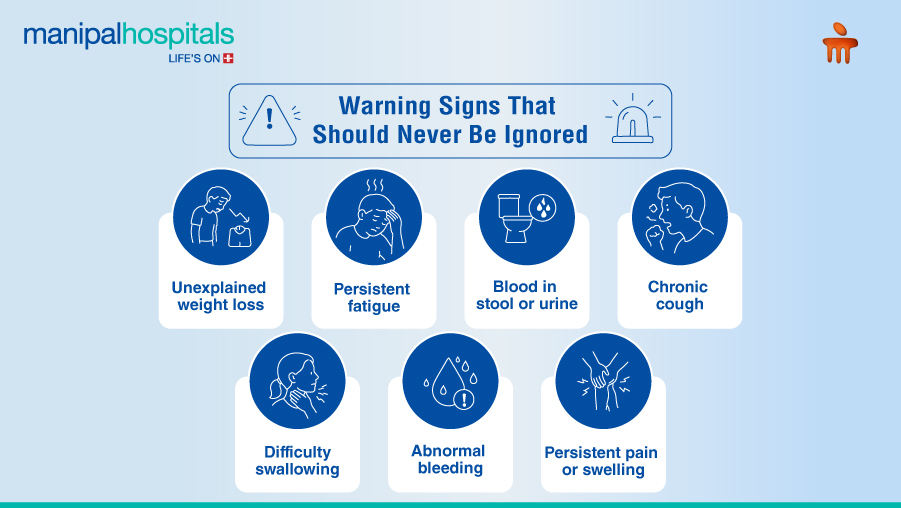
Notice unexplained weight loss
-
Experience unusual bleeding
-
Have persistent fatigue or chronic symptoms
Early consultation can help determine which cancer screening tests are most appropriate for your age, lifestyle, and medical history.
Conclusion
Routine cancer screening tests are one of the most effective ways to detect cancer early and improve treatment outcomes. After 40, proactive health monitoring becomes increasingly important, especially for cancers that may remain silent during early stages.
Understanding the importance of colorectal cancer screening, breast cancer screening age recommendations, cervical cancer test protocols, and cancer blood test options can help individuals take timely preventive action.
With regular screening, personalised medical guidance, and early intervention, many cancers can be identified before they become life-threatening, improving both survival and quality of life.
FAQ's
Cancer screening tests help detect cancer at earlier stages when treatment is often more effective. Since cancer risk increases with age, regular screening becomes especially important after 40.
Most women are advised to discuss mammography screening around the breast cancer screening age of 40, although recommendations may vary depending on family history and personal risk factors.
A cervical cancer test usually includes a Pap smear and sometimes HPV testing to identify abnormal cervical cells or viral infections associated with cervical cancer.
The frequency of colorectal cancer screening depends on the screening method used, family history, and individual risk factors. Doctors commonly recommend beginning screening around age 45 or earlier for high-risk individuals.
A cancer blood test can help detect certain abnormal markers associated with cancer, but it is usually combined with imaging studies and additional cancer screening tests for an accurate diagnosis.
Share this article on: