8 Min Read
Have you ever experienced a strange, persistent metallic taste in your mouth? While often benign, this peculiar sensation, medically known as dysgeusia, can sometimes be a subtle yet significant indicator of underlying health issues. There are several causes of metallic taste in the mouth, and one of them is kidney dysfunction. In this blog an experienced nephrologist in Mysuru discusses in detail what a metallic taste in the mouth is, the causes, and more importantly, when it might be a sign that your kidneys are trying to tell you something important.
Synopsis
- What Exactly is a Metallic Taste in the Mouth?
- Common Causes of Metallic Taste
- The Kidney Connection: Is a Metallic Taste in the Mouth a Sign of Kidney Disease?
- Other Symptoms of Kidney Disease to Watch For
- When to Seek Medical Attention
- Care Essentials: Do's and Don'ts for Managing Metallic Taste
- Diagnostic and Treatment Approaches
- Conclusion
What Exactly is a Metallic Taste in the Mouth?
A metallic taste in the mouth is a distortion of your sense of taste, causing an unpleasant metallic, bitter, or even rusty sensation that can interfere with the enjoyment of food and drink. It can appear suddenly or gradually, ranging from a mild annoyance to a persistent, bothersome symptom. Understanding the cause of a metallic taste in the mouth is the first step toward finding relief and addressing any underlying health concerns.
Common Causes of Metallic Taste
Before we discuss the kidney connection, it's important to note that a metallic taste in the mouth can stem from many less serious factors. Here are some of the frequent non-renal causes:
-
Poor Oral Hygiene: Inadequate brushing and flossing can lead to gum disease, cavities, and infections, all of which can alter taste perception.
-
Certain Medications: Many common medications, including antibiotics, antidepressants, and some supplements (like iron or zinc), can leave a metallic taste in the mouth as a side effect.
-
Respiratory Infections: Colds, sinusitis, and other upper respiratory infections can affect your sense of smell, which is closely linked to taste.
-
Pregnancy: Hormonal fluctuations during pregnancy often cause various taste changes, including a metallic taste, particularly in the first trimester.
-
Nutritional Deficiencies: Deficiencies in certain vitamins and minerals, such as zinc or B12, can sometimes manifest as altered taste.
-
Chemical Exposure: Inhaling certain chemicals, like those found in pesticides or some industrial solvents, can temporarily cause this sensation.
The Kidney Connection: Is a Metallic Taste in the Mouth a Sign of Kidney Disease?
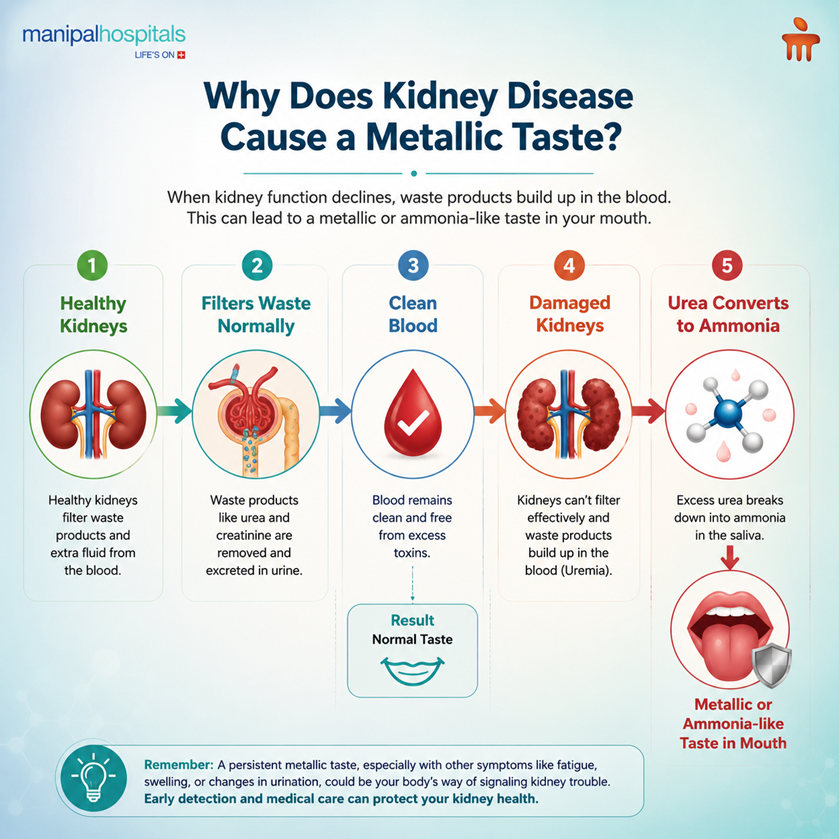
This is where the conversation takes a more serious turn. When you experience a persistent metallic taste in the mouth and kidney disease, it could indeed be a significant indicator. Our kidneys are remarkable organs, filtering about 120-150 litres of blood daily to remove waste products and excess fluid, turning it into urine. When kidney function declines, these waste products, such as urea and creatinine, can build up in the bloodstream. This condition is known as uremia.
The accumulation of these toxins can affect various body systems, including your taste buds. The excess urea can break down into ammonia in the saliva, leading to a distinct, often unpleasant, ammonia-like or metallic taste. This symptom can be particularly noticeable with progressive kidney disease.
So, is a metallic taste in the mouth a sign of kidney disease? Yes, it can be, especially if accompanied by other symptoms. Early detection of kidney disease is crucial for effective management and preventing further progression.
Other Symptoms of Kidney Disease to Watch For
A sudden metallic taste in the mouth should prompt further investigation, especially if it's accompanied by any of these other common symptoms of kidney disease:
-
Fatigue and Weakness: Kidneys produce a hormone that helps create red blood cells; impaired function can lead to anaemia, causing extreme tiredness.
-
Swelling (Oedema): Reduced kidney function means fluid and sodium retention, leading to swelling in the legs, ankles, feet, or face.
-
Changes in Urination: This can include increased or decreased frequency, foamy urine, or blood in the urine.
-
Shortness of Breath: Fluid buildup in the lungs or anaemia from kidney disease can cause breathlessness.
-
Muscle Cramps: Electrolyte imbalances can lead to painful muscle cramps.
-
Poor Appetite and Nausea: The buildup of toxins can also cause a general feeling of unwellness, leading to a decreased appetite and nausea.
-
Itchy Skin: Waste products accumulating in the blood can cause severe itching.
When to Seek Medical Attention
While an occasional metallic taste in the mouth might not be alarming, persistent or worsening symptoms, especially if accompanied by any of the kidney disease indicators listed above, warrant prompt medical evaluation. Do not ignore a persistent metallic taste in your mouth, as it could be your body's subtle way of indicating a problem.
Timely diagnosis and intervention are critical for managing kidney disease and improving outcomes. Studies show that early detection and management can slow disease progression in up to 70% of patients, preserving kidney function and enhancing quality of life.
Care Essentials: Do's and Don'ts for Managing Metallic Taste
|
Do's |
Don'ts |
|
Maintain Excellent Oral Hygiene: Brush twice daily, floss, and use a tongue scraper. Regular dental check-ups are essential. |
Self-Diagnose: Avoid making assumptions about the cause of your metallic taste without professional medical evaluation. |
|
Stay Hydrated: Drink plenty of water throughout the day to help flush out toxins and keep your mouth moist. |
Ignore Persistent Symptoms: Don't dismiss a lasting metallic taste in the mouth, especially if other symptoms are present. |
|
Experiment with Flavours: Use herbs, spices, and citrus to enhance the taste of food and mask the metallic sensation. Try sour or tart foods like lemon or lime. |
Stop Medications Without Consulting: If you suspect a medication is the cause, discuss it with your doctor before altering your dosage or stopping it. |
|
Chew Sugar-Free Gum: This can help stimulate saliva production, which can wash away the unpleasant taste. |
Overlook Lifestyle Factors: Don't neglect your diet and overall health, as they significantly impact your well-being. |
|
Consult Your Doctor: If the metallic taste is persistent or concerning, seek professional medical advice to identify the underlying cause for the metallic taste in your mouth. |
|
Diagnostic and Treatment Approaches
If you present with a metallic taste in the mouth and other concerning symptoms, a structured diagnostic evaluation is typically undertaken to identify the underlying cause:
-
Detailed Medical History and Physical Examination: To understand your overall health and symptom progression.
-
Blood Tests: Including kidney function tests (creatinine and BUN) to assess how well your kidneys are filtering waste.
-
Urine Tests: To check for protein, blood, or other abnormalities that indicate kidney disease.
-
Imaging Studies: Such as ultrasound or CT scans, to visualise the kidneys and identify any structural issues.
Based on the diagnosis, treatment plans are tailored to your specific needs, ranging from lifestyle modifications and medication management to advanced interventions. Our commitment to patient-centric care ensures that you receive the best possible support, with a patient satisfaction rate exceeding 95% in our nephrology department.
Conclusion
A metallic taste in the mouth may seem like a minor inconvenience, but when it persists, it can sometimes signal an underlying health condition, including kidney disease. While many cases are linked to harmless and temporary causes, it is important not to overlook symptoms that continue or occur alongside fatigue, swelling, changes in urination, or loss of appetite. Early evaluation can help identify the root cause and, if kidney disease is present, allow timely intervention to protect kidney function and overall health.
If you are experiencing a persistent metallic taste in your mouth, especially with other concerning symptoms, it's crucial to seek timely medical advice. Book an appointment with our expert nephrologists at Manipal Hospital Mysore today for a comprehensive evaluation.
FAQ's
No, a metallic taste can be caused by many factors, including medications, poor oral hygiene, or even pregnancy. However, if it's persistent and accompanied by other symptoms like fatigue or swelling, it warrants medical investigation, particularly for kidney disease.
When kidneys don't filter waste properly, toxins like urea build up in the blood. This urea can break down into ammonia in saliva, creating an unpleasant metallic or ammonia-like taste.
While effective oral hygiene is always beneficial and can help with metallic taste caused by dental issues, it won't resolve a metallic taste stemming from kidney disease. It's crucial to address the underlying kidney problem.
Your doctor will likely order blood tests (like creatinine and BUN to measure kidney function) and urine tests to check for protein or other abnormalities. Imaging tests may also be used.
If the metallic taste is persistent, severe, or accompanied by other concerning symptoms such as swelling, extreme fatigue, or changes in urination, you should seek medical attention promptly to rule out serious conditions like kidney disease.
Share this article on: