7 Min Read
In the intricate landscape of women's health, certain conditions often go unnoticed until they manifest into more significant concerns. One such silent yet powerful player is insulin resistance. It's a condition where your body's cells don't respond effectively to insulin, leading to elevated blood sugar levels. For many women, understanding the early insulin resistance symptoms in females can be a game-changer, enabling timely intervention and preventing a cascade of health issues.
In this blog, an experienced gynaecologist in Mysuru explains in detail the nuances of insulin resistance in women, highlighting the crucial early signs you should be aware of. Recognising these signs of insulin resistance in females is the first step towards taking control of your health journey.
Synopsis
Understanding Insulin Resistance: A Core Concept
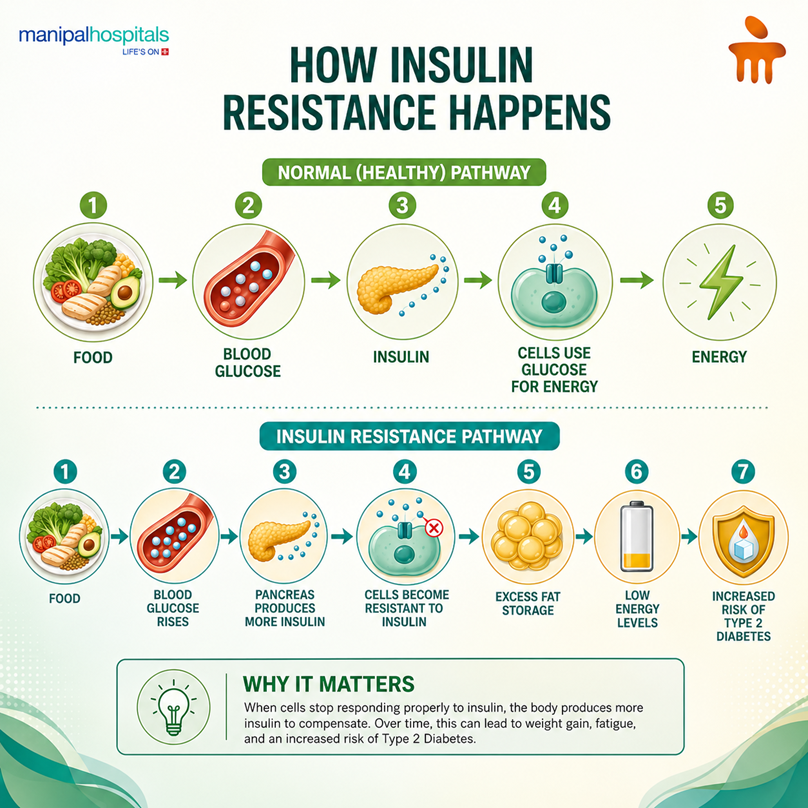
Insulin is a vital hormone produced by your pancreas. Its primary role is to act like a key, unlocking cells to allow glucose (sugar) from your bloodstream to enter, where it's used for energy. When you have insulin resistance, your cells become less responsive to this key. This forces your pancreas to work harder, producing more insulin to try to keep blood sugar levels normal. Over time, the pancreas can wear out, leading to consistently high blood sugar and potentially type 2 diabetes.
Globally, millions of people have insulin resistance. Studies indicate that up to 1 in 3 adults may have some degree of insulin resistance, often without knowing it. For women, the prevalence can be even higher, particularly in certain life stages or conditions.
Causes of Insulin Resistance in Women
While insulin resistance can affect anyone, women face unique physiological factors that can increase their susceptibility:
-
Hormonal Fluctuations: Hormones like estrogen and progesterone play a significant role in insulin sensitivity. Fluctuations during the menstrual cycle, pregnancy, perimenopause, and menopause can impact how cells respond to insulin.
-
Polycystic Ovary Syndrome (PCOS): A staggering 70% of women with PCOS/PMOS also experience insulin resistance. PCOS is a common hormonal disorder that affects women of reproductive age and is strongly linked to difficulties in insulin regulation.
-
Pregnancy (Gestational Diabetes): Pregnancy can induce temporary insulin resistance, leading to gestational diabetes in some women. While it often resolves after delivery, it increases the risk of developing type 2 diabetes later in life.
-
Genetic Predisposition: Family history of Type 2 diabetes or insulin resistance can increase a woman's risk.
The good news? Early detection and lifestyle modifications can significantly improve outcomes. Research shows that proactive management can reduce the risk of progressing to type 2 diabetes by over 50% in at-risk individuals.
Early Signs of Insulin Resistance in Females: What to Look For
Recognizing the early symptoms of insulin resistance in women is crucial for timely intervention. These signs are often subtle and can be easily dismissed as general fatigue or stress. However, paying attention to these indicators can make a profound difference. Our Gynaecology Department provides expert evaluation and management of insulin resistance and related hormonal health concerns
-
Persistent Fatigue and Low Energy: Do you often feel tired, even after a full night's sleep? When your cells aren't getting enough glucose for energy due to insulin resistance, your body struggles to function optimally. This can lead to a pervasive sense of tiredness throughout the day, often more pronounced after meals high in carbohydrates.
-
Unexplained Weight Gain, Especially Around the Abdomen: One of the most common and frustrating signs of insulin resistance in females is difficulty losing weight, particularly around the midsection. High insulin levels signal your body to store fat, especially visceral fat around your organs. This abdominal obesity further exacerbates insulin resistance, creating a vicious cycle.
-
Skin Changes: Acanthosis Nigricans and Skin Tags: Increased insulin levels can stimulate skin cell growth, leading to specific dermatological manifestations:
-
Acanthosis Nigricans: Dark, thickened, velvety patches of skin, most commonly found in the armpits, neck (especially the back of the neck), groin, and under the breasts.
-
Skin Tags: Small, benign skin growths that often appear in areas where acanthosis nigricans is present.
-
-
Menstrual Irregularities and Fertility Challenges: For women, insulin resistance is frequently intertwined with hormonal imbalances, which can directly affect reproductive health. This includes:
-
Difficulty conceiving
-
Exacerbation of PCOS symptoms, such as excess androgen production leading to hirsutism (excessive body hair) and acne.
-
Increased Cravings for Sugary and Carbohydrate-Rich Foods: Despite eating, you might find yourself constantly craving sweets or refined carbohydrates. This happens because your cells aren't absorbing glucose properly, which leads to a feeling of 'cellular hunger' that drives intense cravings. It's a key indicator among the early symptoms of insulin resistance in women.
-
Brain Fog and Difficulty Concentrating: If you experience mental fogginess, difficulty concentrating, or memory issues, it could be linked to fluctuating blood sugar levels. Your brain relies on a steady supply of glucose, and when insulin resistance disrupts this process, cognitive function can be affected.
The Broader Impact of Untreated Insulin Resistance in Women
Ignoring these early insulin resistance symptoms in women can have long-term health consequences beyond just Type 2 Diabetes. It significantly increases the risk of:
-
Heart disease and stroke
-
High cholesterol
-
Non-alcoholic fatty liver disease (NAFLD)
-
Certain types of cancer
-
PCOS-related complications
Care Essentials: Do's and Don'ts for Managing Insulin Resistance
Empowering yourself with knowledge is the first step. Here are some actionable do's and don'ts to help manage and potentially reverse insulin resistance:
-
Do focus on a balanced diet: Prioritize whole, unprocessed foods. Include plenty of fiber-rich vegetables, lean proteins, and healthy fats.
-
Don't consume excessive added sugars and refined carbohydrates: These spike blood sugar and insulin levels, worsening resistance.
-
Do engage in regular physical activity: Aim for at least 150 minutes of moderate-intensity exercise per week. Even brisk walking helps improve insulin sensitivity.
-
Don't lead a sedentary lifestyle: Prolonged sitting decreases your body's ability to use insulin effectively.
-
Do manage stress effectively: Chronic stress elevates cortisol, which can worsen insulin resistance. Practice yoga or meditation or spend time in nature.
-
Don't neglect sleep: Poor sleep quality and insufficient sleep can negatively impact hormone balance and insulin sensitivity. Aim for 7-9 hours of quality sleep each night.
-
Do seek professional medical advice: If you suspect you have insulin resistance in women, consult a doctor for diagnosis and personalized guidance.
-
Don't self-diagnose or self-medicate: Rely on qualified healthcare professionals for accurate assessment and treatment plans.
Conclusion
If you've recognised any of these early signs of insulin resistance in females in yourself, it's not a cause for panic but a clear signal to seek professional medical advice. Early diagnosis is key. Manipal Hospital Mysore has a team of highly qualified expert gynaecologists and women's health specialists in Mysore who are skilled in identifying and managing insulin resistance. We offer comprehensive diagnostic tests and tailor-made treatment plans, focusing on both lifestyle interventions and, if necessary, medical management.
Whether you're looking for diagnostic clarity or effective insulin resistance treatment in Mysore, consult our experts today for proper guidance.
FAQ's
Insulin resistance often stems from a combination of genetic predisposition, lifestyle factors such as a diet high in refined sugars and fats, lack of physical activity, and hormonal imbalances (like those seen in PCOS or menopause).
Yes, in many cases, especially when caught early, insulin resistance can be significantly improved or even reversed through lifestyle changes, including dietary modifications, regular exercise, weight management, and stress reduction.
Diagnosis typically involves blood tests, such as a fasting insulin test, a fasting glucose test, an HbA1c, and an oral glucose tolerance test. Your doctor will interpret these results alongside your symptoms and medical history.
Not always. While insulin resistance is a major risk factor and often a precursor to type 2 diabetes, early intervention and consistent lifestyle changes can often prevent or significantly delay its onset.
Even a modest weight loss of 5-10% of your body weight can significantly improve insulin sensitivity, especially if you carry excess weight around your abdomen. It's one of the most impactful strategies.
Share this article on: