7 Min Read
Are you ignoring the subtle signs your lungs are trying to send? Could that mild wheeze or breathlessness be something far more serious than you think? In most cases, these small signs are the body’s way of warning us of something complex. In India, the prevalence of lung infections, particularly pneumonia, bronchitis, and severe acute respiratory infections, is rising. According to India's National Health Portal, respiratory infections accounted for more than 41 million cases and over 3000 fatalities in 20181.
In this blog, we'll discuss what lung infections are and how identifying their early signs can help you take preventative measures and act more quickly.
Synopsis
Understanding Lung Infections—What Are They and How Do They Occur?
Lung infections, or pulmonary infections, are among the most common medical conditions. They usually occur when a microorganism, such as a virus, bacteria, or fungus, comes in contact with the lungs and causes inflammation.
Lung infections can also occur due to:
-
Inhalation of harmful substances such as chemicals and pollutants
-
Exposure to allergens
-
Aspiration
The condition can range from mild to severe. Although most cases resolve on their own, severe lung infections may require hospitalisation and advanced treatment.
Conditions That Can Cause Lung Infections
Some conditions that can cause infections in the lungs include:
-
Influenza
-
Pertussis (whooping cough)
-
Croup
-
Pneumonia
-
Bronchitis
-
COVID-19
-
Other coronavirus infections
Types of Lung Infections
The main types of lung infections include:
-
Pneumonia- An infection that inflames the tiny air sacs (alveoli) in one or both lungs, filling them with pus or fluid. It can be caused by bacteria, viruses, or fungi.
-
Bronchitis- Inflammation of the lining of your bronchial tubes, which carry air to and from your lungs. It typically causes a persistent, mucus-producing cough.
-
Tuberculosis (TB)- A highly contagious, serious bacterial infection that primarily attacks the lung tissue and can spread to other parts of the body if left untreated.
-
Bronchiolitis- An infection that causes inflammation in the smallest airways (bronchioles) of the lungs. It is common in infants and is usually caused by a virus like RSV.
-
Lung abscess- A localised, pus-filled cavity surrounded by inflamed tissue within the lung, usually triggered by a severe bacterial infection.
-
Empyema- A complication where pockets of pus gather in the pleural space, which is the thin area between your lungs and the inner chest wall.
-
Fungal lung infections- Severe infections (like histoplasmosis or aspergillosis) caused by inhaling fungal spores. These are more common in people with weakened immune systems.
Common Diagnostic Tests for Lung Infections
1. Imaging Tests
These include:
-
Chest X-rays
These tests help identify abnormalities in the lungs.
2. Blood Tests
An increased white blood cell (WBC) count could indicate inflammation caused by a respiratory infection.
3. Sputum Test
A sputum test analyses a sample of mucus (phlegm) coughed up from the lungs to identify infections or other conditions affecting the respiratory tract.
4. Pulmonary Function Tests
Pulmonary function tests (PFTs) are a group of tests used to assess how well the lungs are functioning.
5. Bronchoscopy
Bronchoscopy involves using a thin, flexible tube with an attached camera to assess the airways and surrounding tissues. It is mostly used to confirm the diagnosis in severe cases.
6. Additional Tests
Additional tests may be performed to diagnose specific infections, including:
-
Allergy tests
-
Tuberculin skin tests
-
Other microbiological tests
These may be recommended for conditions such as tuberculosis or fungal infections.
Lung Infection vs Cold or Flu
|
Feature |
Cold |
Flu |
Lung Infection |
|
Primary Location |
Nose and throat (upper airway) |
Nose, throat, and muscles (entire body) |
Lungs, bronchial tubes, and air sacs (lower airway) |
|
Onset of Symptoms |
Gradual over a few days |
Sudden and intense, often overnight |
Can be gradual or sudden, depending on the cause |
|
Cough Characteristics |
Mild, hacking dry cough |
Dry, hacking cough that can become deep |
Persistent, deep, painful cough that produces yellow, green, or rusty-colored phlegm |
|
Fever Severity |
Rare (usually mild if present) |
High fever (100°F to 104°F), lasting 3–4 days |
High, persistent fever often accompanied by shaking chills |
|
Breathing Quality |
Normal breathing; nose may be congested |
Normal breathing; may feel fatigued |
Shortness of breath, rapid shallow breathing, or sharp chest pain when breathing in |
|
Body Aches & Chills |
Very mild or none |
Severe, prominent body aches and deep fatigue |
Mild body aches, but significant localised chest discomfort and severe exhaustion |
|
Typical Duration |
7 to 10 days |
1 to 2 weeks |
Can last 3 weeks to over a month |
Treatments for Lung Infections
The treatment for a lung infection depends on its cause, severity, and the patient's overall health. Common treatment methods include:
1. Medications
Depending on the cause of the infection, doctors may prescribe:
-
Antibiotics
-
Antivirals
-
Antifungals
-
Over-the-counter medications
2. Oxygen Therapy
In serious conditions such as pneumonia or acute respiratory distress syndrome (ARDS), blood oxygen levels may drop, a condition known as hypoxaemia.
Supplemental oxygen can help restore proper oxygenation and support breathing
3. Nebulisation/Inhalation
For conditions such as bronchitis, nebulisers or inhalers may help reduce inflammation by delivering medication directly to the lungs.
4. Rest and Hydration
Adequate rest helps the body strengthen its immune response and fight infections.
You may also
-
Drink warm water or other fluids
-
Try saltwater gargling to soothe a sore throat
-
Maintain adequate hydration
5. Surgery
In severe cases, such as antibiotic-resistant infections or lung abscesses, surgical intervention may be required.
6. Pulmonary Rehabilitation
In some cases, pulmonary rehabilitation may be recommended for individuals recovering from chronic respiratory infections. It can help improve lung function and support overall recovery.
Lung Infections – Early Symptoms You Should Look Out For
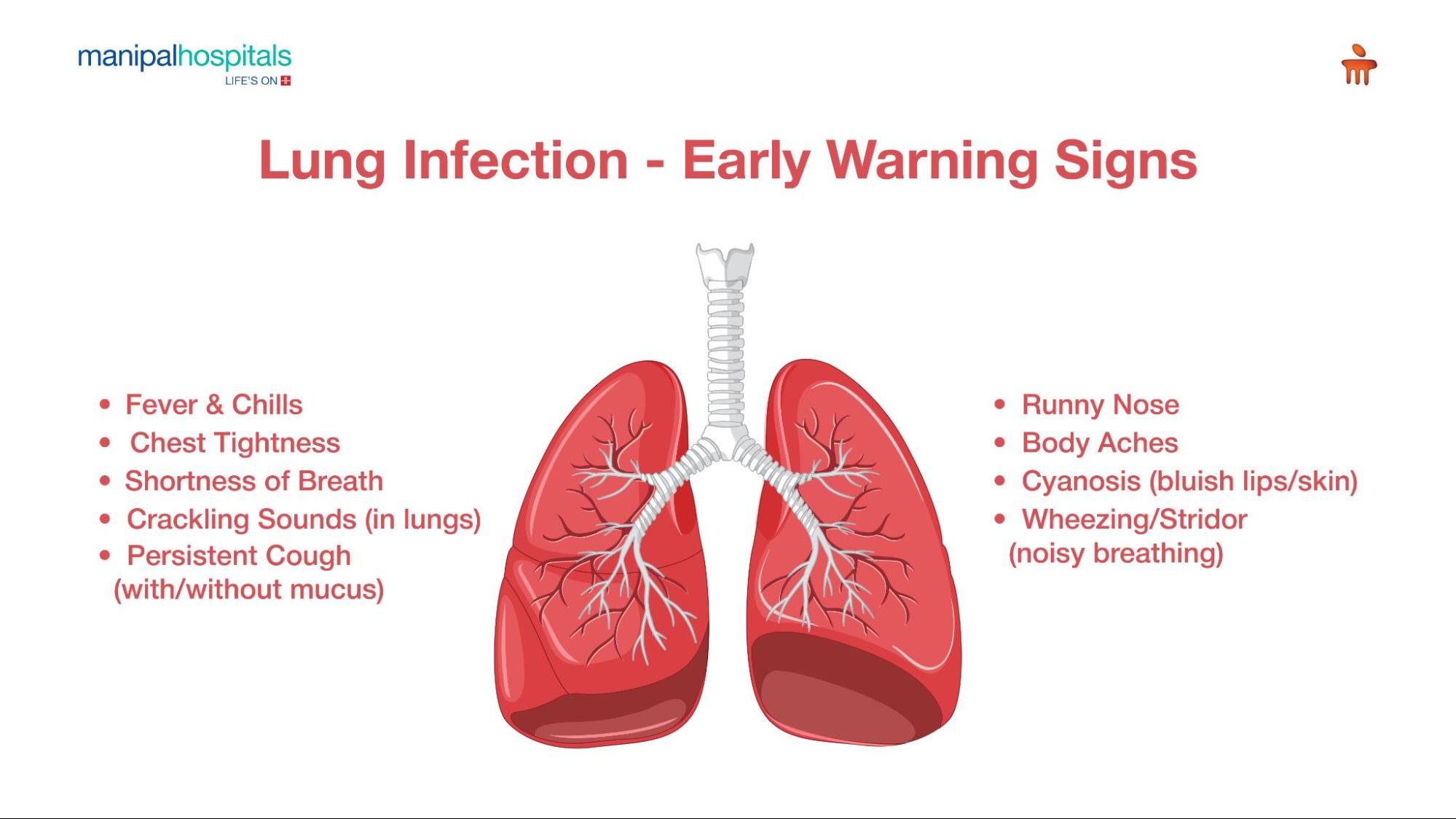
Symptoms of lung infections can differ depending on the type, cause, severity, and patient condition. Symptoms can be similar to getting a cold or the flu. However, they often linger for a longer time and do not go away quickly. Common symptoms of respiratory infections one should look for include:
a. Severe Cough with Mucus Production: Think mucus along with a severe cough is a symptom seen in conditions like bronchitis or pneumonia. They can appear clear, white, green, or yellowish grey. Even after other symptoms subside, the symptoms can stick around for several weeks.
b. Fever: In cases like respiratory infections caused by bacteria, high-temperature fever can be a symptom. It is often accompanied by other symptoms, like chills, sweating, fatigue, dehydration, muscle aches, and more.
Chest Tightness: A feeling of tightness in the chest could be due to conditions like pneumonia or bronchitis, causing inflammation and infections.
c. Runny nose: Commonly seen in conditions like bronchitis
Shortness of Breath: Difficulty in breathing is another symptom observed in respiratory infections. Immediate care is necessary if the symptom is exhibited.
d. Crackling / /Rattling sounds: Bibasilar crackles are abnormal crackling sounds heard from lower lung regions. This can happen due to fluid or mucus accumulation in the lungs caused by respiratory infections.
e. Wheezing or Stridor: Both produce high-pitched sounds during a respiratory infection. Wheezing is seen in conditions like allergies, and it is produced when you exhale. It could indicate narrow airways or inflammation. Stridor may occur due to airway blockage and is a common symptom seen in respiratory infections.
f. Cyanosis: Decreased oxygen in the bloodstream, which transforms the skin, lips, or nails into blue.
Body ache: Called myalgia, you may experience muscle and back aches. The symptom is commonly seen in respiratory infections.
Other symptoms include fatigue, haemoptysis (coughing up blood), delirium, nausea and vomiting, a faster heart or pulse rate, lightheadedness, rapid breathing, dehydration, and many more. If you experience mild to moderate symptoms and they do not go away after two weeks, you may need to seek immediate attention from a specialist.
g. Body Ache
Also known as myalgia, body aches may include muscle and back pain. This symptom is commonly seen in respiratory infections.
Other Symptoms of Lung Infections
Other symptoms may include:
-
Fatigue
-
Haemoptysis (coughing up blood)
-
Delirium
-
Nausea and vomiting
-
Faster heart or pulse rate
-
Lightheadedness
-
Rapid breathing
-
Dehydration
If you experience mild to moderate symptoms that do not go away after two weeks, you may need to seek medical attention from a specialist.
How to Prevent Lung Infections?
Preventing deep respiratory illnesses involves practicing daily hygiene, maintaining strong immunity, and avoiding airborne irritants. The simplest and most effective ways to protect your lungs involve:
-
Washing your hands often- Wash thoroughly with soap and water for at least 20 seconds, or use an alcohol-based hand sanitizer to kill lingering germs.
-
Getting vaccinated- Keep up-to-date with annual flu shots, COVID-19 boosters, and the pneumococcal vaccine (which directly protects against bacterial pneumonia).
-
Avoiding the habit of smoking- Do not smoke or vape, and stay away from second-hand smoke, as it severely damages your lungs' natural defence mechanisms.
-
Keeping your distance- Avoid close contact with anyone who has a cough, cold, flu, or other visible respiratory symptoms.
-
Disinfecting surfaces- Regularly wipe down high-touch items like door handles, light switches, phones, and keyboards to stop the spread of viruses.
-
Practicing good cough etiquette- Always cough or sneeze into a tissue or your bent elbow to keep respiratory droplets out of the air.
-
Boosting your immunity- Eat a balanced diet, exercise regularly, stay hydrated, and get enough sleep to help your immune system fight off invading microbes.
Lung Infection Recovery and Self-Care
Healing from a deep respiratory illness takes time, and giving your body the right environment to recover is essential to prevent complications. Here are the most effective recovery and self-care tips for a lung infection:
Rest and hydration
-
Get maximum rest- Sleep as much as possible and avoid strenuous physical activities, allowing your immune system to focus all its energy on healing.
-
Drink warm fluids- Sip on warm water, herbal teas, or clear broths to thin mucus, making it much easier to cough up and clear out of your lungs.
-
Incorporate electrolytes- Drink coconut water or oral rehydration solutions if your infection is accompanied by a high fever or sweating.
Clearing your airways
-
Use a cool-mist humidifier- Keep a humidifier running in your room to add moisture to the air, which helps soothe irritated airways and loosen thick phlegm.
-
Take steamy showers- Inhale the steam from a hot shower to open up restricted bronchial tubes and ease dry, painful coughing.
-
Sleep elevated- Prop yourself up with extra pillows while sleeping to keep your airways open, reduce coughing fits, and make breathing easier.
Supporting your recovery
-
Avoid irritants- Stay far away from cigarette smoke, chemical fumes, strong perfumes, and heavy air pollution, which can severely inflame recovering lung tissue.
-
Practice deep breathing- Once you feel stronger, perform gentle, deep-breathing exercises or use a spirometer if prescribed, to help expand your lungs and clear residual fluids.
-
Take prescribed meds properly- If your doctor prescribed antibiotics for a bacterial infection, finish the entire course even if you start feeling better.
-
Do not suppress a productive cough- Avoid taking over-the-counter cough suppressants if you are coughing up mucus; coughing is your body's natural way of clearing the infection out of your lungs.
Conclusion
Respiratory infections continue to be a major global health concern. While treatments have advanced, challenges such as lung barriers can limit the effectiveness of inhalation drug delivery.
Nanoparticles offer a promising approach to overcoming these obstacles and improving treatment outcomes.² Additionally, new strategies using monoclonal antibodies are being explored for viruses such as respiratory syncytial virus (RSV), supporting the development of more effective vaccines and therapies.
At Manipal Hospitals, Mukundapur, we prioritise delivering expert care for individuals diagnosed with respiratory infections.
If you or your loved ones experience symptoms that may indicate a respiratory infection, we encourage you to consult our pulmonologists as soon as possible.
FAQ's
Look for symptoms like a persistent cough with or without mucus, fever, shortness of breath, weakness, fatigue, chest pain, chills, and body aches. Wheezing or coarse breath sounds may also occur. Since these symptoms can mimic other lung conditions, you must consult a pulmonologist for an accurate diagnosis.
Yes, many lung infections, such as tuberculosis, pneumonia, and bronchitis, are contagious and spread through coughing, sneezing, or close contact.
An untreated lung infection causes the pleural layer of the lungs to swell, leading to a sharp pain while breathing. In some cases, the pleural cavity gets filled with fluid, causing pleural effusion and worsening of lung infection.
You must contact your doctor if you develop:
-
Fever more than 102°F for more than three days
-
Trouble breathing
-
Persistent cough with mucus
-
Chest pain or tightness
You can schedule an appointment at Manipal Hospitals, Mukundapur, by contacting us or visiting our website.
Visit: https://www.manipalhospitals.com/mukundapur/specialities/pulmonology-respiratory-sleep-medicine/
Contact no: 033 6907 0001
Share this article on: