6 Min Read
Pneumonia is an infection affecting the lungs, where the air sacs, called alveoli, in one or both lungs become inflamed. It can range from being mild to life-threatening, and it affects millions globally each year. However, with timely intervention, most individuals make a full recovery. Understanding pneumonia symptoms, its various causes, and the crucial factors that put you at risk is vital for early detection and effective management.
Synopsis
Understanding Pneumonia
Pneumonia is primarily a pathogenic infection of lungs. It primarily affects the tiny air sacs (alveoli) in your lungs. These air sacs can become inflamed and filled with fluid or pus, leading to symptoms like coughing, fever, chills, and difficulty breathing. While it can be serious, particularly for the very young, the elderly, and those with weakened immune systems, medical advancements mean that with early diagnosis and appropriate care, the vast majority of pneumonia cases resolve successfully.
Pneumonia Symptoms
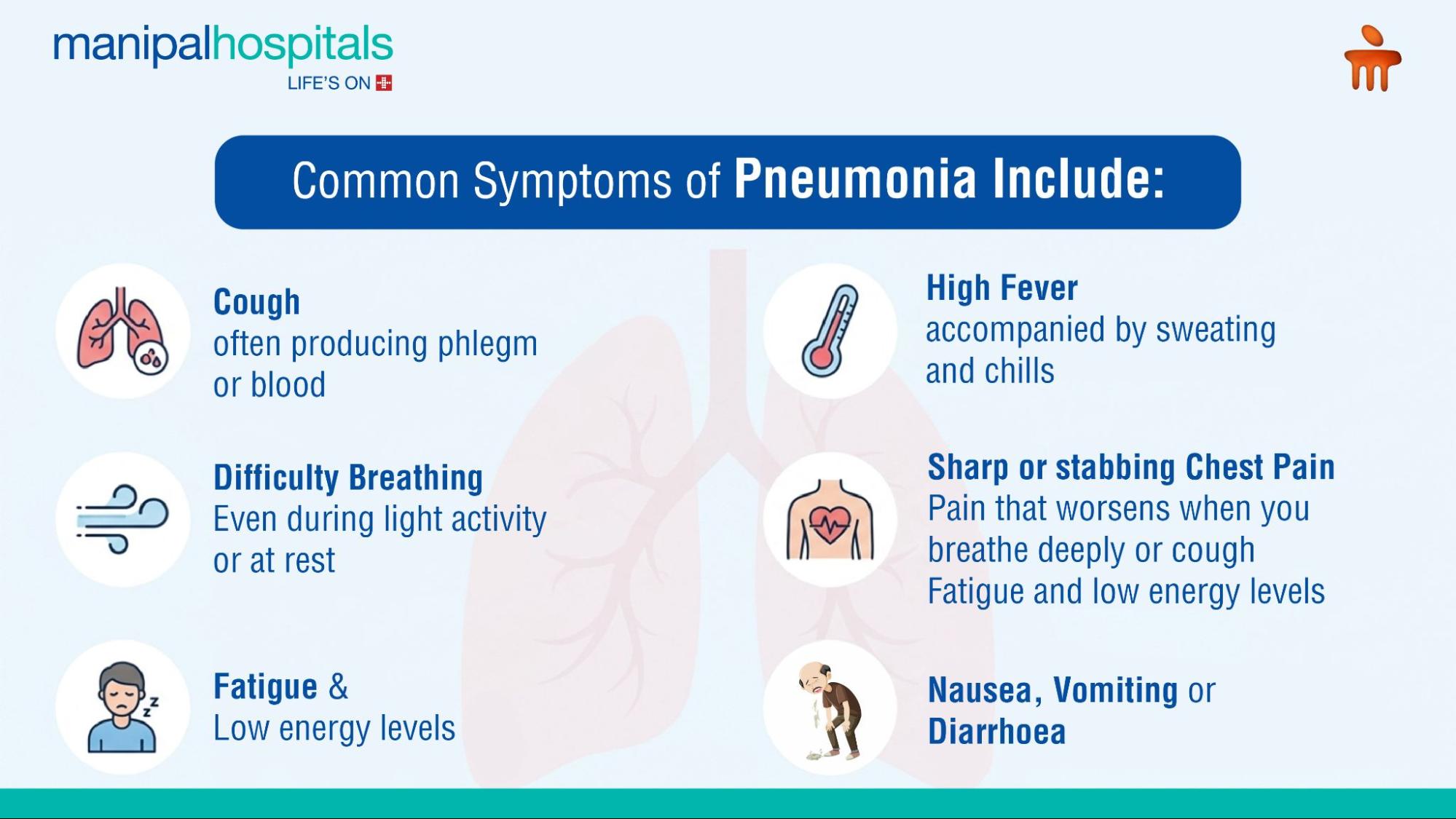
Identifying pneumonia symptoms early is crucial for successful treatment. These symptoms can vary depending on your age, overall health, and the type of infection. Common indicators prompting medical attention include:
-
Cough: Often producing phlegm (mucous) that may be greenish, yellow, or even bloody.
-
Fever: High fever accompanied by sweating and chills.
-
Shortness of Breath: Difficulty breathing even during light activity or at rest.
-
Chest Pain: Sharp or stabbing pain that worsens when you breathe deeply or cough.
-
Fatigue: Persistent tiredness and low energy levels.
-
Nausea, Vomiting, or Diarrhoea: More common in children and the elderly.
-
Confusion or Changes in Mental Awareness: Especially in older adults.
Pneumonia Causes
Understanding pneumonia causes is crucial for prevention and applying targeted treatment. Pneumonia can be triggered by various infectious agents:
-
Bacterial Pneumonia: This is a common type. Several types of bacteria that causes pneumonia, like Streptococcus pneumoniae following a cold or flu. Bacterial pneumonia can strike suddenly and cause severe symptoms.
-
Viral Pneumonia: Viruses causing colds and the flu are also common causes of pneumonia in adults and children. Viral pneumonia is often milder but can become severe if left untreated.
-
Fungal Pneumonia: More common in people with chronic health problems or weakened immune systems.
-
Mycoplasma Pneumonia: Often called "walking pneumonia," typically milder but can still be debilitating.
Bacterial and viral infections account for the vast majority of pneumonia cases. Knowing the underlying cause guides the appropriate pneumonia treatment strategy.
Identifying Key Risk Factors of Pneumonia
Certain factors significantly increase your risk of developing pneumonia. These include
-
Age: Risk is high in infants to children up to 2 years, and adults over 65 years of age,
-
Weakened immune system: Immune system can become weak due to pre-existing medical conditons like HIV/AIDS or medications like chemotherapy, or even chronic medical conditions like asthma, COPD, heart disease, and diabetes, which can increase risk of infection.
-
Lifestyle habits: Smoking and excess alcohol consumption can weaken immune system and increase risk of pneumonia.
-
Environmental exposure: Infections from hospitalisation (especially with ventilation), and exposure to chemicals or pollutants are often responsible.
Effective Pneumonia Treatment Options
The goals of pneumonia treatment are to cure the infection and prevent complications. Treatment depends on the type, severity, and your overall health.
-
Antibiotics: Prescribed for bacterial pneumonia. Completing the entire course is essential for proper recovery.
-
Antivirals: For viral pneumonia, often combined with antibiotics to prevent secondary bacterial infection.
-
Antifungals: For fungal pneumonia.
-
Supportive Care: Includes rest, fluids to loosen mucus and prevent dehydration, oxygen therapy if blood oxygen levels are low, and over-the-counter pain relievers/fever reducers.
Medical facilities report excellent success rates when treatment is initiated promptly and tailored to the specific cause.
When to Seek Medical Attention for Pneumonia
While some mild cases resolve with home care, certain symptoms warrant immediate medical evaluation. Early diagnosis and treatment are critical to prevent symptoms from worsening and also to reduce complications. Seek immediate medical help if you experience:
-
Worsening shortness of breath or difficulty breathing.
-
Severe or persistent chest pain.
-
High fever (above 102°F or 39°C).
-
Persistent cough with discoloured or bloody phlegm.
-
Bluish tinge to your lips or fingernails (indicating low oxygen).
-
Confusion or disorientation, particularly in older adults.
-
Worsening of chronic underlying conditions.
Do not delay seeking care. Vaccination programs have shown to significantly reduce the incidence of certain types of pneumonia.
Care Essentials: Do's and Don'ts
Do's:
-
Getting vaccinated for flu and pneumococcal infections is essential, especially for small children, elderly and immunocompromised individuals.
-
Rest adequately
-
Stay hydrated
-
Follow medical advice
-
Practice good hygiene
-
Eat nutritious foods
Don'ts:
-
Don't self-medicate
-
Don't ignore symptoms
-
Don't smoke
-
Don't overexert yourself
-
Don't discontinue medication prematurely
Conclusion
Pneumonia symptoms can be subtle in older adults, who might experience a lower body temperature or mild changes in mental awareness. Children might experience rapid breathing or wheezing. Early intervention based on symptom recognition can significantly reduce the risk of severe complications. At Manipal Hospitals Mukundapur, our expert team of pulmonologists is committed to comprehensive care and empowering our patients with health knowledge. If you are experiencing these symptoms, it's crucial to seek timely medical advice. Book an appointment with our expert pulmonologists at Manipal Hospitals today.
FAQ's
Pneumonia is an infection of the lung's air sacs, while bronchitis is an inflammation of the bronchial tubes. Pneumonia symptoms are generally more severe.
Yes, the germs that cause pneumonia can spread through airborne droplets.
While pneumonia has not been actively reported to cause lung damage, it can lead to complications that can severely affect lung function, or can even become fatal. Untreated pneumonia can lead to complications like sepsis, lung lesions, fluid accumulation in the lungs and other.
Yes, pneumonia can reoccur in someone who previously got it if the previous infection was not resolved completely, or if the person is prone to getting lung infections.
Recovery varies from one patient to another. Mild cases can clear in 1-3 weeks; severe cases may take 6 weeks or longer.
Share this article on: