5 Min Read
Ischemic Stroke is a medical emergency that occurs when blood flow to the brain gets interrupted, leading to brain cell death. Despites its serious nature, strokes can be prevented by effectively managing risk factors and adopting healthy lifestyle choices. Understanding these factors and implementing proactive strategies help ensure successful stroke prevention, offering a future free from this debilitating condition.
This blog is a comprehensive account of factors increasing your risk of getting an ischemic stroke, and essential tips on how to prevent it.
Understanding Risk Factors of Stroke
Identifying the risk factors of ischemic stroke is the first step towards stroke prevention. They can be categorised into modifiable (which can be changed) and non-modifiable (cannot be changed) factors.
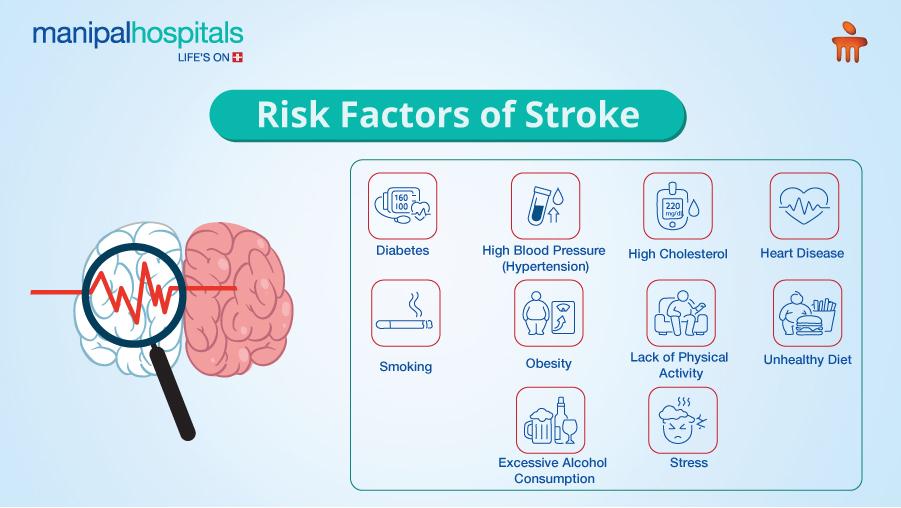
Modifiable Risk Factors
Management of the below modifiable risk factors can help decrease the risk of stroke:
-
High Blood Pressure (Hypertension): Uncontrolled high blood pressure is the most significant risk factor of stroke, as it damages blood vessels.
-
High Cholesterol: Elevated LDL or “bad” cholesterol can lead to plaque build-up in arteries.
-
Diabetes: High blood sugar damages blood vessels over time, increasing blockage and stroke risk.
-
Heart Disease: Conditions like coronary artery disease, heart failure, and atrial fibrillation can lead to blood clots, increasing chances of ischemic stroke.
-
Smoking: It damages blood vessels, thickens blood, and increases plaque build-up.
-
Obesity: Often contributes to high blood pressure, high cholesterol, and diabetes.
-
Lack of Physical Activity: A sedentary lifestyle contributes to obesity, high blood pressure, high cholesterol, and diabetes.
-
Unhealthy Diet: Diets high in saturated fats, Trans fats, cholesterol, and sodium contribute to many risk factors.
-
Excessive Alcohol Consumption: Heavy drinking can raise blood pressure and contribute to atrial fibrillation.
-
Stress: Chronic stress can contribute to high blood pressure and other unhealthy behaviours.
Non-Modifiable Risk Factors
While unchangeable, awareness allows for vigilance in managing modifiable risks.
-
Age: Risk of stroke increases with age, particularly after 55.
-
Family History: Family history of stroke or heart attack increases risk in individuals.
-
Gender: Men tend to get strokes more often, but more women die from strokes.
-
Prior Stroke or TIA: Having had a stroke or a Transient Ischemic Attack (TIA), or "mini-stroke," significantly increases future ischemic stroke risk and serves as a critical warning.
How to Prevent Brain Stroke?
By proactively addressing modifiable risk factors, you can successfully reinforce key stroke prevention actions into your life.
Lifestyle changes play a monumental role in stroke prevention.
-
Embrace a Healthy Diet: Foods that prevent stroke include those high in fibre, potassium, and antioxidants, like fruits, vegetables, whole grains, lean proteins, and healthy fats. Limit red meat, processed foods, sugary drinks, and excessive sodium.
-
Regular Physical Activity: Get at least 30 minutes of exercise daily. This helps manage blood pressure, diabetes, cholesterol, and weight.
-
Maintain a Healthy Weight: Maintaining a healthy body weight will help you prevent stroke.
-
Quit Smoking: Quitting smoking is one of the most impactful steps for how to prevent brain stroke.
-
Limit Alcohol Consumption: If you drink, consume alcohol in moderation – up to one drink per day for women and two for men.
-
Manage Stress: Practice stress-reducing techniques such as meditation, yoga, or deep breathing.
-
Get Sufficient Sleep: Aim for 7-9 hours of quality sleep per night, as poor sleep can contribute to risk factors.
-
Take your Medications Daily: Conditions like diabetes, hypertension, CAD and high cholesterol are often managed by medications. Be sure to take your medications without skipping.
-
Regular Medical Check-ups: Schedule routine appointments to monitor overall health and screen for stroke risk factors. Early detection and intervention are vital.
Conclusion
Preventing a stroke is a journey that involves conscious choices and consistent effort. By understanding the risks and actively implementing prevention strategies, you can dramatically improve your long-term health and safeguard your brain. At Manipal Hospitals Mukundapur, we are committed to empowering our community with the knowledge to lead healthier lives. If you are concerned about your or your loved ones’ health, book an appointment with our Neurology experts at Manipal Hospitals Mukundapur today for comprehensive care.
FAQ's
A stroke is a medical emergency where blood flow to the brain is interrupted, causing brain cells to die. Stroke prevention is about safeguarding your brain from a potentially debilitating condition, emphasizing the need for proactive stroke prevention.
The most effective ways to prevent a brain stroke involve controlling blood pressure, managing cholesterol and diabetes, quitting smoking, regular physical activity, and eating a healthy diet.
Focusing on foods that prevent stroke involves a diet rich in fruits, vegetables, whole grains, lean proteins, and healthy fats. Examples include berries, leafy greens, nuts, seeds, whole oats, lentils, and fatty fish. These foods are high in fibre, potassium, and antioxidants, which support cardiovascular health.
Managing conditions like hypertension, diabetes, and heart disease is vital for both stroke prevention and heart attack.
While non-modifiable risk factors like age, gender, race/ethnicity, and family history cannot be changed, diligently managing your modifiable risk factors becomes even more critical. Proactive lifestyle changes and adherence to medical advice can significantly mitigate your overall risk, even with pre-existing non-modifiable factors, effectively contributing to stroke prevention.
Share this article on: