4 Min Read
Heart disease is one the most widespread health concerns in the world. The most common form of heart disease is coronary artery disease (CAD), which happens because of blockage or narrowing of the arteries due to plaque build-up. Understanding coronary artery disease symptoms, its causes, and effective treatment strategies is crucial for early detection and improved outcomes. This guide will shed light on CAD, helping you recognize coronary artery disease symptoms and explore different treatment options available.
Synopsis
What is Coronary Artery Disease?
Coronary Artery Disease (CAD) occurs when the coronary arteries, which are the major blood vessels supplying the heart with oxygenated blood, become damaged. This damage is often due to plaque build-up on the artery walls by a process called atherosclerosis. This narrows the arteries, thereby reducing blood flow to the heart muscle. Diminished blood supply can lead to heart attacks and heart failure. Though progressive, CAD can be managed effectively with proper intervention.
Understanding the Causes of Coronary Artery Disease
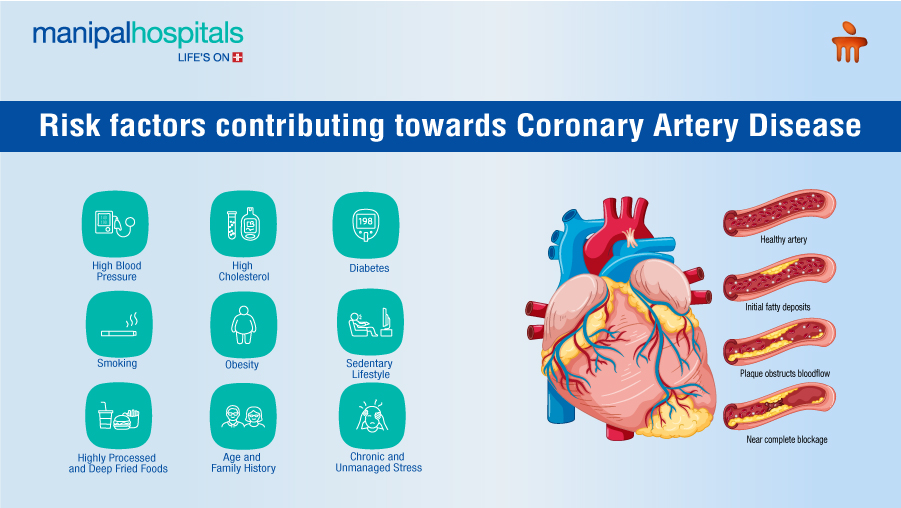
Several factors may contribute to coronary artery disease. While some are uncontrollable, many coronary artery disease causes are linked to lifestyle. Key risk factors of coronary artery disease include:
-
High cholesterol
-
Diabetes
-
Smoking
-
Obesity
-
Sedentary lifestyle
-
Highly processed and deep fried foods
-
Age and family history
-
Chronic and unmanaged stress
Recognizing Coronary Artery Disease Symptoms
Coronary artery disease symptoms can vary, sometimes appearing only in advanced stages. Therefore, it is crucial to remain aware of:
-
Chest Pain (Angina): The most common symptom, described as pressure, tightness or a sharp, intense pain in the chest. It can be stable (predictable, relieved by rest) or unstable (unexpected, severe, a medical emergency).
-
Shortness of Breath (Dyspnea): Occurs if the heart can't pump enough blood, especially during exertion.
-
Fatigue: Unusual tiredness can signal reduced blood flow.
-
Pain in Other Body Parts: Pain can radiate to the left arm, jaw, neck, back, or stomach.
-
A typical Symptoms: Women often experience fatigue, shortness of breath, or discomfort in the neck/jaw/back rather than classic chest pain, making early diagnosis challenging.
Types of Coronary Artery Disease
Understanding these types of coronary artery disease helps in treatment planning. Coronary artery disease types are usually:
-
Silent Ischemia: Insufficient blood flow to the heart without symptoms, making it dangerous.
-
Myocardial Infarction (Heart Attack): Complete blockage of blood flow, leading to heart tissue death.
Effective Coronary Artery Disease Treatment Options
The goal of coronary artery disease treatment is to reduce symptoms, slow progression, and prevent future heart events. Treatment plans are individualized:
-
Lifestyle Modifications: A heart-healthy diet, regular exercise, healthy weight, quitting smoking, and stress management.
-
Medications: Medications like Statins (for cholesterol), blood thinners (clots), beta-blockers (heart rate or blood pressure control), nitrates (for chest pain), ACE inhibitors/ARBs (blood pressure) are often prescribed by a cardiologist for CAD management.
-
Medical Procedures:
-
Angioplasty and Stenting: These are performed on narrowed arteries with a balloon to place a stent to keep them open.
-
Coronary Artery Bypass Grafting (CABG) Surgery: This procedure uses a healthy blood vessel to bypass blocked arteries.
-
Care Essentials: Do's and Don'ts for CAD
Managing CAD is possible with just some simple adjustments to your lifestyle:
Do's:
-
Follow a heart-healthy diet
-
Engage in regular physical activity
-
Take medications as prescribed
-
Monitor your health regularly for any symptoms
-
Manage stress
-
Attend regular check-ups with your doctor
Don'ts:
-
Don't smoke
-
Don't consume excessive alcohol,
-
Don't eat foods rich in trans fats and saturated fats
-
Don't ignore new or worsening coronary artery disease symptoms
-
Don't self-medicate.
Conclusion
Effective coronary artery disease prevention involves adopting a heart-healthy lifestyle and managing existing conditions. Understanding and proactively managing Coronary Artery Disease is vital. Early detection of coronary artery disease symptoms and appropriate intervention can significantly improve outcomes and enhance quality of life.
At Manipal Hospitals Mukundapur, our expert cardiologists provide cutting-edge diagnostics, personalized treatment plans, and compassionate care. If you are experiencing any symptoms or have concerns about your heart health, seek timely medical advice. Book an appointment with our expert cardiologists at Manipal Hospitals Mukundapur today for comprehensive heart care.
FAQ's
Coronary artery disease can affect individuals at all ages; however, older individuals of ages 64 years and above are at significant risk.
Yes, CAD can appear even without any noticeable symptoms, or symptoms may appear at a much later stage when the disease has progressed significantly. Therefore, it is crucial to follow a healthy lifestyle with regular medical check-ups, especially with increasing age.
For evaluating coronary artery disease symptoms, diagnostic procedures like coronary angiography, ECG, Echocardiogram, CT scans and certain blood tests are usually performed to determine further treatment plans.
Coronary artery disease can definitely be prevented with some simple measures. Avoid smoking and excess drinking, maintain an active lifestyle, eat foods rich in essential macro and micronutrients, avoid highly processed foods, and go for regular medical check-ups.
Chest pain, breathlessness, dizziness, and pain radiating towards the jaw, arm and back are some of the most common coronary artery disease symptoms.
Share this article on: