5 Min Read
That uncomfortable burning in your upper abdomen, the uneasy bloating after meals, or the constant feeling of indigestion, many people brush these off as minor stomach troubles. However, when these symptoms keep returning, they could be warning signs of gastritis, a condition that affects the inner lining of your stomach.
At Manipal Hospital Jaipur, our gastroenterology specialists often see patients who have lived with these symptoms for months, unaware that early treatment could have brought lasting relief. This comprehensive guide explains what gastritis is, why it happens, how to recognise the symptoms early, and the most effective treatment options to help you regain digestive comfort and confidence.
Synopsis
What Is Gastritis?
Gastritis refers to inflammation of the stomach lining, medically known as the gastric mucosa. This lining plays a vital role it protects the stomach wall from the powerful acids that break down food. When this protective layer becomes damaged or weakened, inflammation sets in, leading to pain, irritation, and digestive discomfort.
Gastritis can present in two main forms:
-
Acute gastritis – develops suddenly and may cause intense symptoms
-
Chronic gastritis – develops gradually and can persist for months or even years
While gastritis is common, ignoring it can increase the risk of complications such as stomach ulcers, bleeding, or long-term digestive issues.
Common Symptoms of Gastritis You Shouldn’t Ignore
Symptoms of gastritis vary from person to person. Some people experience mild discomfort, while others develop severe symptoms that interfere with daily life. Common warning signs include:
-
A burning or gnawing pain in the upper abdomen
-
Nausea or frequent stomach upset
-
Feeling unusually full after eating small meals
-
Bloating, gas, and excessive burping
-
Unintentional weight loss
-
Vomiting or nausea after meals
-
Dark stools or vomiting that resembles coffee grounds (a sign of bleeding)
Severe abdominal pain, persistent vomiting, or signs of internal bleeding require immediate medical attention.
Key Causes of Gastritis
Understanding the cause of gastritis is essential for effective treatment. At Manipal Hospital Jaipur, we focus on identifying the root cause rather than just treating symptoms.
Helicobacter pylori (H. pylori) Infection
This bacterial infection is one of the most common causes of chronic gastritis worldwide. It damages the stomach’s protective lining and can lead to ulcers if untreated. With proper antibiotic therapy, over 90% of H. pylori infections can be successfully eliminated.
Long-Term Use of Painkillers
Regular use of nonsteroidal anti-inflammatory drugs (NSAIDs) like ibuprofen, aspirin, or naproxen can weaken the stomach lining, making it vulnerable to acid damage.
Excessive Alcohol Consumption
Alcohol irritates the stomach lining and increases acid production, worsening inflammation over time.
Severe Physical or Emotional Stress
Major surgery, serious illness, trauma, burns, or prolonged psychological stress can trigger acute gastritis.
Autoimmune Gastritis
In rare cases, the immune system mistakenly attacks healthy stomach cells, leading to chronic inflammation and vitamin B12 deficiency.
How Is Gastritis Diagnosed?
Accurate diagnosis is the cornerstone of successful treatment. At Manipal Hospital Jaipur, our gastroenterology team uses advanced diagnostic tools to ensure clarity and precision.
Diagnostic methods may include:
-
Detailed medical history and physical examination
-
Upper gastrointestinal endoscopy is the gold standard for diagnosing gastritis
-
Allows direct visualisation of the stomach lining
-
Enables biopsy if needed
-
Diagnostic accuracy exceeds 95%
-
H. pylori testing through breath tests, stool tests, or biopsy samples
-
Blood tests to check for anaemia or vitamin deficiencies
Effective Gastritis Treatment at Manipal Hospital Jaipur
Treatment for gastritis is highly individualised and focuses on healing the stomach lining and addressing the underlying cause.
Treating the Root Cause
-
Antibiotic therapy for H. pylori infection
-
Modifying or discontinuing NSAIDs under medical supervision
-
Managing autoimmune conditions when present
Medications to Reduce Acid
Doctors may prescribe:
-
Proton pump inhibitors (PPIs)
-
H2 blockers
-
Antacids for quick symptom relief
These medications help reduce acid levels, allowing the stomach lining to heal.
Lifestyle and Dietary Modifications
Research shows that over 80% of patients with non-infectious gastritis experience significant improvement with proper lifestyle changes alone.
Care Essentials: Do’s and Don’ts for Managing Gastritis
Do’s
-
Eat smaller, frequent meals
-
Choose bland, non-spicy foods
-
Stay well hydrated
-
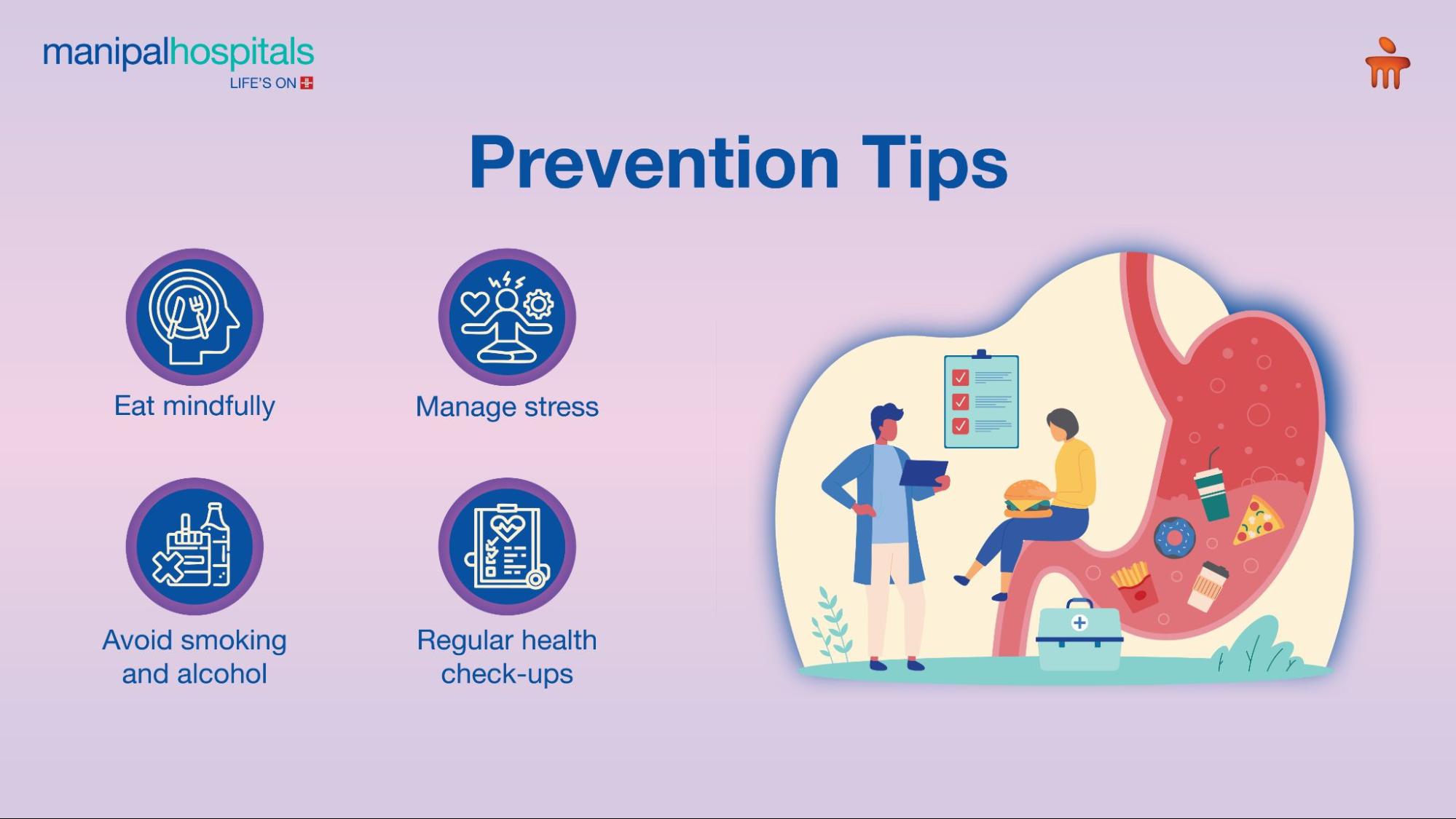
Practise stress management techniques like yoga or meditation
-
Consult your doctor before taking painkillers
Don’ts
-
Avoid lying down immediately after meals
-
Avoid smoking and alcohol
-
Limit caffeine intake
-
Avoid self-medication
-
Do not ignore persistent symptoms
Why Choose Manipal Hospital Jaipur for Gastritis Care?
-
Expert gastroenterologists with vast clinical experience
-
Advanced endoscopy and diagnostic facilities
-
Personalised, patient-centric treatment plans
-
Integrated dietary and lifestyle counselling
-
Trusted multispecialty hospital network
FAQ's
Most cases are manageable with treatment. However, untreated chronic gastritis can lead to ulcers, bleeding, or increased cancer risk.
Yes, especially when the underlying cause such as H. pylori infection is treated properly.
Acute gastritis may heal within days, while chronic gastritis can take weeks to months with consistent treatment.
Milk may offer temporary relief, but can increase acid production later. It’s best to consult your doctor.
Yes. Stress increases stomach acid and can trigger flare-ups.
Share this article on: