4 Min Read
The liver plays a crucial role in maintaining overall liver health, performing hundreds of vital functions such as detoxification, digestion, and metabolism. However, modern lifestyle habits have led to a growing concern about Fatty Liver Disease. This condition, affecting nearly 1 in 3 adults globally, often develops silently and can progress if ignored.
At Manipal Hospitals Jaipur, specialists emphasise early detection and lifestyle management as the most effective approach to fatty liver treatment and long-term liver protection.
Synopsis
- What Is Fatty Liver Disease?
- Fatty Liver Symptoms: Why Early Detection Is Difficult
- Causes of Fatty Liver: What Increases Your Risk?
- Fatty Liver Treatment: Can It Be Reversed?
- Medications for Fatty Liver: When Are They Needed?
- Diet Plan for Fatty Liver: What Should You Eat?
- Exercise for Fatty Liver: Move Towards Better Health
- Simple Tips to Improve Liver Health
- Conclusion
What Is Fatty Liver Disease?
Fatty liver disease occurs when excess fat accumulates in liver cells. While small amounts of fat are normal, excessive fat can lead to inflammation and damage over time, impacting overall liver function.
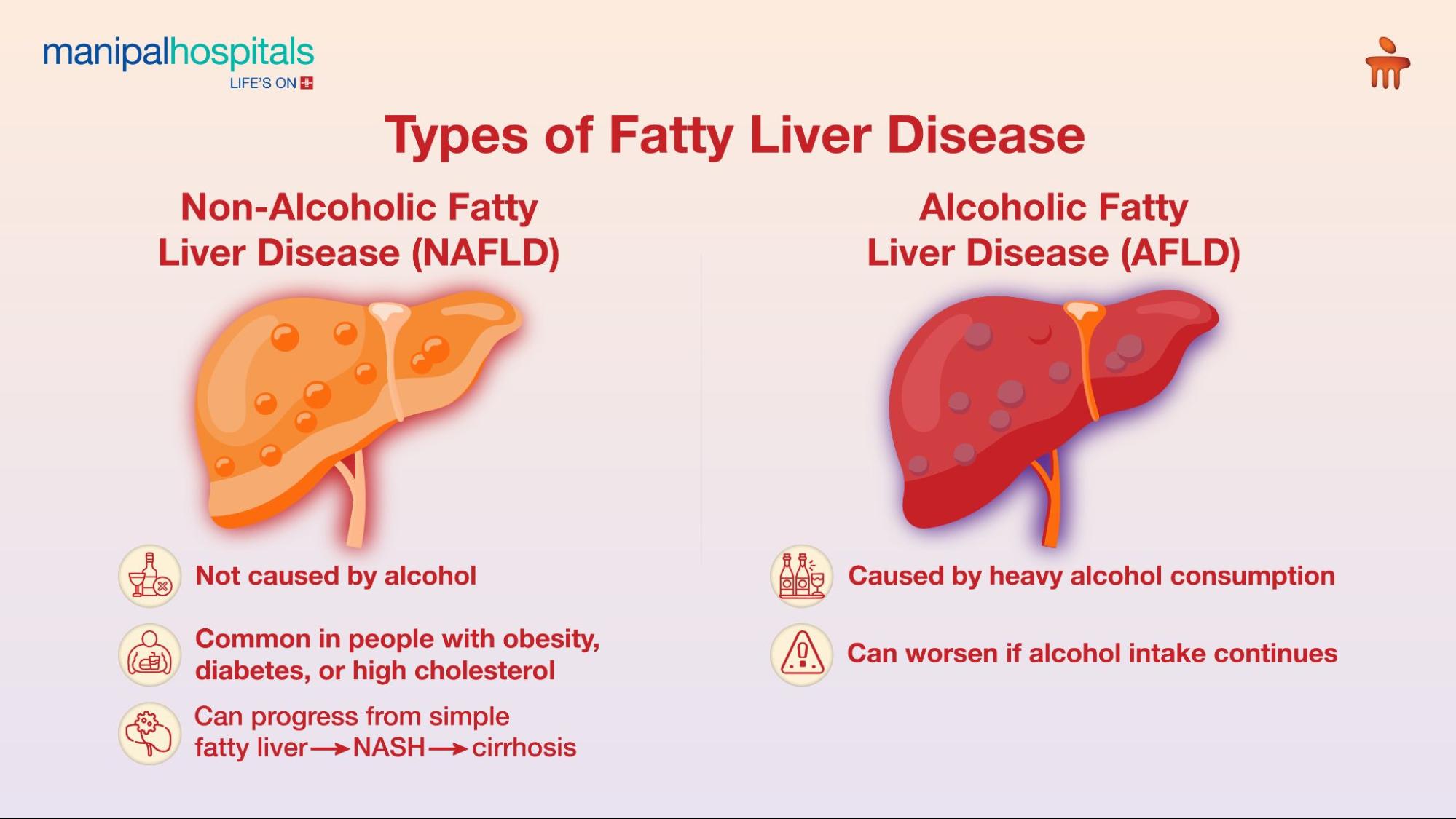
Fatty Liver Symptoms: Why Early Detection Is Difficult
One of the biggest challenges is that fatty liver symptoms are often absent in the early stages. Many patients discover the condition during routine health check-ups.
As the disease progresses, you may notice:
-
Persistent fatigue and weakness
-
Discomfort or pain in the upper right abdomen
-
Swelling in the abdomen or legs
-
Yellowing of the skin and eyes (jaundice in advanced stages)
Because symptoms appear late, timely screening is essential, especially for high-risk individuals.
Causes of Fatty Liver: What Increases Your Risk?
Understanding the causes of fatty liver is key to prevention. The condition is strongly linked to lifestyle and metabolic factors:
-
Obesity and excess belly fat
-
Type 2 diabetes and insulin resistance
-
High cholesterol and triglycerides
-
Sedentary lifestyle
-
Unhealthy eating habits (high sugar and processed foods)
-
Excess alcohol consumption
-
Rapid weight loss or crash dieting
These factors disrupt fat metabolism, causing fat to accumulate in the liver.
Fatty Liver Treatment: Can It Be Reversed?
The good news is that early-stage fatty liver disease is reversible. Effective fatty liver treatment focuses primarily on lifestyle modification rather than medication alone.
At Manipal Hospitals Jaipur, doctors recommend a personalised approach that includes:
-
Weight management
-
Dietary changes
-
Regular physical activity
-
Control of diabetes and cholesterol
Even a 7–10% reduction in body weight can significantly improve liver health.
Medications for Fatty Liver: When Are They Needed?
Currently, there is no single specific drug approved solely for fatty liver disease. However, medications for fatty liver may be prescribed to manage associated conditions, such as:
-
Diabetes medications to control blood sugar
-
Cholesterol-lowering drugs
-
Vitamin E supplements in select cases
-
Liver-protective medications (as advised by doctors)
It is important to avoid self-medication and consult a specialist for appropriate treatment.
Diet Plan for Fatty Liver: What Should You Eat?
A structured diet plan for fatty liver plays a major role in recovery and prevention.
Include:
-
Fresh fruits and green vegetables
-
Whole grains like oats, brown rice, and millets
-
Lean proteins such as fish, chicken, and legumes
-
Healthy fats (nuts, seeds, olive oil)
Avoid:
-
Sugary drinks and desserts
-
Fried and processed foods
-
Refined carbohydrates (white bread, bakery items)
-
Excess salt and packaged snacks
A Mediterranean-style diet is often recommended for improving liver health.
Exercise for Fatty Liver: Move Towards Better Health
Regular exercise for fatty liver helps reduce liver fat and improve metabolism.
-
Aim for at least 150 minutes of moderate exercise per week
-
Activities include brisk walking, jogging, cycling, yoga, or swimming
-
Strength training can further improve insulin sensitivity
Consistency is more important than intensity—small daily efforts can bring long-term benefits.
Simple Tips to Improve Liver Health
Maintaining good liver health requires a holistic approach:
Do’s
-
Maintain a healthy body weight
-
Stay physically active
-
Drink plenty of water
-
Get regular health check-ups
-
Follow your doctor’s advice
Don’ts
-
Avoid crash dieting
-
Limit alcohol intake
-
Reduce sugar and processed foods
-
Don’t ignore warning signs
Conclusion
If you experience persistent fatigue, abdominal discomfort, or have risk factors such as diabetes or obesity, it is advisable to seek medical guidance. Early diagnosis can prevent complications such as cirrhosis or liver failure.
The expert team at Manipal Hospital Jaipur offers advanced diagnostics, including ultrasound and FibroScan, along with personalised treatment plans to help patients effectively manage fatty liver disease. Book a consultation with our expert gastroenterologist at Manipal Hospitals Jaipur for expert diagnosis and personalised treatment for liver and gastrointestinal conditions.
FAQ's
Early-stage fatty liver disease is often completely reversible with lifestyle changes. Advanced cirrhosis is not reversible but can be managed.
Simple fatty liver is usually harmless, but progression to NASH can lead to cirrhosis, liver cancer, and liver failure.
There is no single “fatty liver diet,” but a Mediterranean-style diet is widely recommended.
Yes. Lean individuals can develop NAFLD due to genetics, poor diet, or metabolic abnormalities.
People with risk factors should consult a doctor to determine appropriate screening intervals.
Share this article on:


.webp "Arrhythmia Treatment: Medications, Catheter Ablation & Modern Heart Rhythm Therapies")