8 Min Read
A well-planned fatty liver diet plays a crucial role in reversing early liver damage and improving overall metabolic health. Non-alcoholic fatty liver disease is becoming increasingly common due to sedentary lifestyles, obesity, and poor eating habits. Following a scientifically balanced fatty liver diet can help reduce liver fat, support liver repair, and prevent complications. Many patients who consult our gastroenterologists in Jaipur are often advised that diet is the first and most powerful step in managing fatty liver disease.
A structured fatty liver treatment diet focuses on nutrient-dense meals, controlled calories, and foods that reduce inflammation. By prioritising the right foods for fatty liver, individuals can gradually restore liver function. Experts widely recommend adopting the best diet for fatty liver as part of a long-term lifestyle change rather than a temporary restriction plan.
Synopsis
- Understanding Fatty Liver Disease and the Role of Diet
- Key Principles of an Effective Fatty Liver Diet
- Foods for Fatty Liver That Promote Liver Healing
- Foods to Avoid in a Fatty Liver Diet
- Sample One-Day Fatty Liver Diet Plan
- Lifestyle Habits That Support the Best Diet for Fatty Liver
- When to Consult a Specialist
- Conclusion
Understanding Fatty Liver Disease and the Role of Diet
Fatty liver disease occurs when excess fat accumulates in liver cells. This condition is often linked to obesity, insulin resistance, high cholesterol, and poor dietary patterns. Implementing a medically guided fatty liver diet helps reduce fat storage in the liver and improve metabolic balance.
A well-designed fatty liver treatment diet aims to stabilise blood sugar, reduce inflammation, and promote gradual weight loss. When individuals consistently choose the right foods for fatty liver, they support natural liver detoxification processes. Health specialists frequently emphasise that the best diet for fatty liver should include whole foods, balanced macronutrients, and minimal processed items.
Patients who adopt a structured fatty liver diet early often experience significant improvements in liver enzyme levels. In clinical practice, our gastroenterologists in Jaipur commonly recommend dietary therapy as the first-line approach before considering medications.
Key Principles of an Effective Fatty Liver Diet
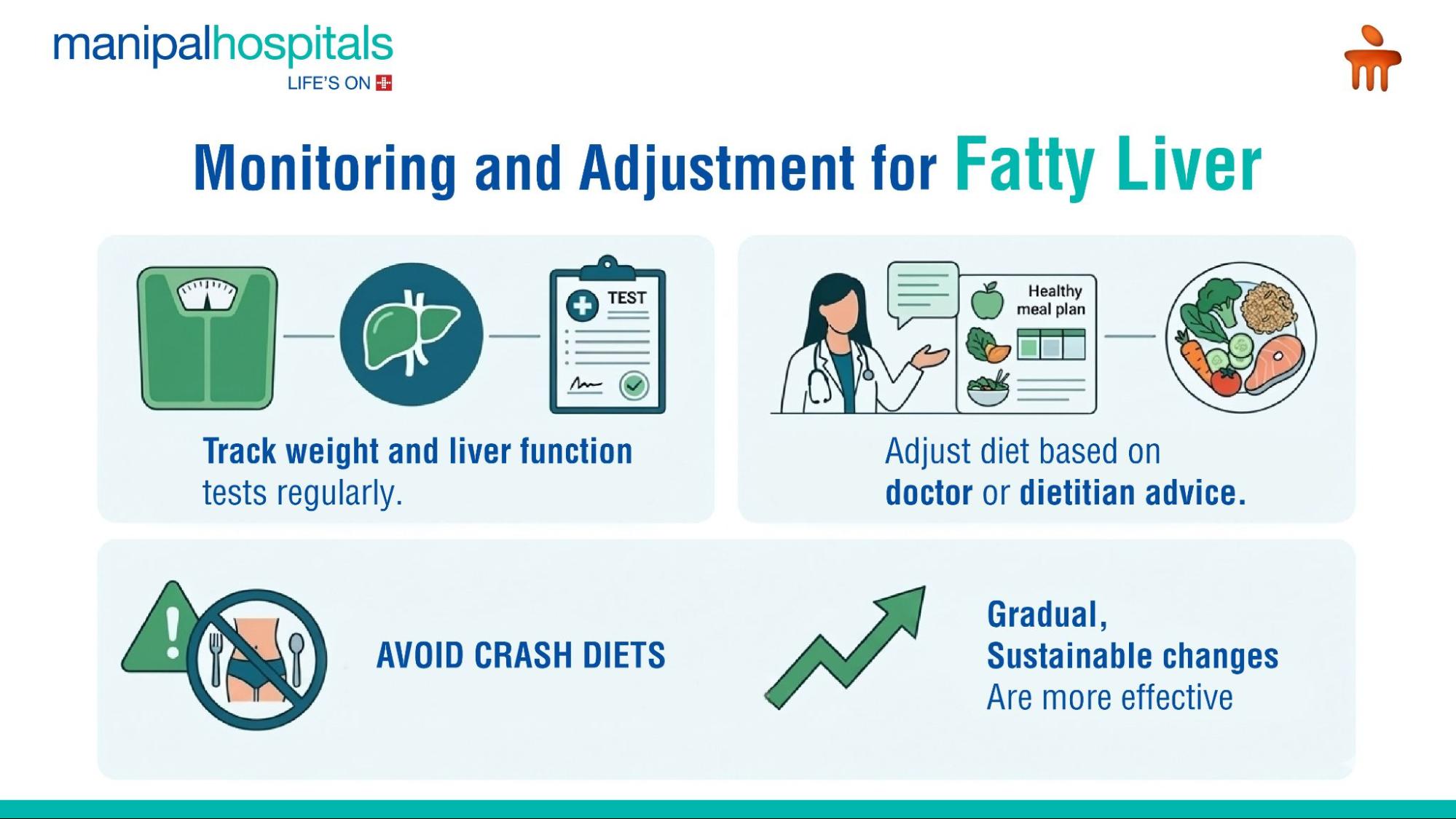
The success of a fatty liver diet depends on consistency and balance. Instead of extreme dieting, a sustainable fatty liver treatment diet focuses on portion control and nutrient diversity.
The following principles define the best diet for fatty liver:
-
Increase fibre intake through whole grains and vegetables.
-
Choose lean proteins such as legumes, fish, and poultry.
-
Limit added sugars and refined carbohydrates.
-
Include healthy fats like nuts and seeds.
-
Avoid ultra-processed foods.
These strategies encourage regular intake of beneficial foods for fatty liver that help reduce liver fat accumulation. When individuals follow a carefully structured fatty liver diet, they support liver regeneration and metabolic stability.
A balanced fatty liver treatment diet should also include regular meal timings, adequate hydration, and reduced consumption of sugary beverages. Health experts agree that the best diet for fatty liver combines nutritional quality with sustainable lifestyle habits.
Foods for Fatty Liver That Promote Liver Healing
Choosing the right foods for fatty liver can significantly improve liver health. A carefully designed fatty liver diet includes a variety of natural, nutrient-dense foods that support detoxification and reduce inflammation.
1. Leafy Green Vegetables
Spinach, kale, and lettuce are excellent foods for fatty liver because they contain antioxidants and fibre. Adding them regularly to a fatty liver treatment diet helps regulate metabolism. Many nutritionists consider these greens essential in the best diet for fatty liver.
2. Whole Grains
Oats, brown rice, and quinoa are recommended foods for fatty liver because they help maintain stable blood sugar levels. Incorporating them into a fatty liver diet improves digestion and supports weight management.
3. Fatty Fish
Salmon, sardines, and mackerel provide omega-3 fatty acids, which reduce inflammation. These are powerful foods for fatty liver that strengthen the effects of a fatty liver treatment diet and support the best diet for fatty liver strategy.
4. Nuts and Seeds
Almonds, walnuts, flaxseeds, and chia seeds are valuable foods for fatty liver due to their healthy fats and antioxidants. They enhance the effectiveness of a fatty liver diet while supporting long-term metabolic health.
5. Fruits with Low Glycaemic Index
Berries, apples, and pears are excellent foods for fatty liver that fit perfectly within a fatty liver treatment diet. They provide vitamins, fibre, and natural antioxidants essential for the best diet for fatty liver.
Foods to Avoid in a Fatty Liver Diet
While focusing on beneficial foods for fatty liver, it is equally important to eliminate harmful dietary choices. An effective fatty liver diet limits foods that increase liver fat and inflammation.
The following items should be avoided in a fatty liver treatment diet:
-
Sugary beverages and sodas
-
White bread and refined carbohydrates
-
Deep-fried foods
-
Processed snacks
-
Excessive red meat
Avoiding these items strengthens the impact of the best diet for fatty liver and allows beneficial foods for fatty liver to deliver maximum benefits. Individuals who maintain a disciplined fatty liver diet typically notice improvements in weight management and liver enzyme levels.
Sample One-Day Fatty Liver Diet Plan
A balanced fatty liver diet should distribute nutrients evenly throughout the day. Below is a simple structure often recommended as part of a fatty liver treatment diet.
-
Breakfast - Oatmeal with berries and flaxseeds – excellent foods for fatty liver that fit the best diet for fatty liver guidelines.
-
Mid-Morning Snack - A handful of almonds and green tea support the fatty liver diet and provide beneficial foods for fatty liver.
-
Lunch - Grilled fish, quinoa, and sautéed vegetables. These are ideal foods for fatty liver, included in a medically recommended fatty liver treatment diet.
-
Evening Snack - Fresh fruit and yoghurt, which align with the best diet for fatty liver and support the effectiveness of the fatty liver diet.
-
Dinner - Vegetable soup, whole-grain roti, and lentils. These nutrient-rich foods for fatty liver help maintain the balance required in a fatty liver treatment diet.
Patients following such structured plans under guidance from our gastroenterologist in Jaipur often achieve better results with their fatty liver diet.
Lifestyle Habits That Support the Best Diet for Fatty Liver
While nutrition is central, lifestyle factors also influence the success of a fatty liver diet. A comprehensive fatty liver treatment diet should be combined with healthy habits to maximise recovery.
Key lifestyle practices include:
-
Regular physical activity
-
Maintaining a healthy body weight
-
Managing stress levels
-
Sleeping at least seven hours daily
These habits complement the best diet for fatty liver and allow beneficial foods for fatty liver to work effectively. When combined with a structured fatty liver diet, these changes significantly improve liver health outcomes.
Medical experts often stress that dietary discipline, guided by professionals such as our gastroenterologists in Jaipur, ensures that the fatty liver treatment diet is both safe and effective.
When to Consult a Specialist
Although many people improve with dietary changes, medical supervision remains important. If symptoms such as persistent fatigue, abdominal discomfort, or abnormal liver tests appear, a personalised fatty liver diet may be necessary.
A clinically supervised fatty liver treatment diet ensures that the chosen foods for fatty liver match the patient’s metabolic needs. Healthcare professionals can also design the best diet for fatty liver based on medical history, weight goals, and laboratory findings.
In several cases, individuals who seek guidance from our gastroenterologists in Jaipur receive tailored dietary plans that optimise the effectiveness of their fatty liver diet.
Conclusion
A scientifically planned fatty liver diet remains one of the most effective ways to manage and reverse early fatty liver disease. By following a structured fatty liver treatment diet, choosing the right foods for fatty liver, and maintaining healthy lifestyle habits, individuals can significantly improve liver health.
Adopting the best diet for fatty liver is not just about avoiding unhealthy foods but embracing a sustainable pattern of balanced nutrition. With consistent effort and expert guidance, a well-planned fatty liver diet can support liver recovery and long-term metabolic wellness.
FAQ's
The best diet for fatty liver includes whole grains, lean proteins, vegetables, fruits, nuts, and healthy fats. A balanced fatty liver diet and structured fatty liver treatment diet with appropriate foods for fatty liver can help reduce liver fat and improve liver function.
A proper fatty liver diet avoids sugary drinks, refined carbohydrates, fried foods, and heavily processed snacks. These foods interfere with the benefits of a fatty liver treatment diet and reduce the effectiveness of the best diet for fatty liver.
Most people notice improvements within a few months of consistently following a fatty liver diet. Maintaining a disciplined fatty liver treatment diet with appropriate foods for fatty liver supports gradual liver recovery and long-term success.
In many early cases, a carefully planned fatty liver diet and structured fatty liver treatment diet can significantly reduce liver fat. Consuming the right foods for fatty liver and following the best diet for fatty liver can help reverse the condition.
Yes. While general guidelines exist, a personalised fatty liver diet designed by specialists ensures safety and effectiveness. A medical professional can recommend the most suitable fatty liver treatment diet, the correct foods for fatty liver, and the best diet for fatty liver based on your health status.
Share this article on:


.webp "Arrhythmia Treatment: Medications, Catheter Ablation & Modern Heart Rhythm Therapies")