4 Min Read
In today’s fast-paced lifestyle, many health issues develop silently. You may feel perfectly fine on the outside while your body shows early warning signs internally. This is where blood tests play a crucial role. Often referred to as the backbone of diagnostic tests, routine blood investigations help detect diseases early, monitor ongoing conditions, and guide timely treatment decisions.
At Manipal Hospitals Jaipur, Laboratory Medicine services focus on accuracy, early detection, and preventive healthcare through comprehensive routine blood tests.
Synopsis
What Are Blood Tests?
Blood tests are medical investigations that analyse a sample of your blood to evaluate overall health and detect disorders related to organs such as the heart, liver, kidneys, and pancreas. A detailed blood test report provides valuable insights into infections, nutritional deficiencies, metabolic disorders, and chronic diseases like diabetes and heart disease.
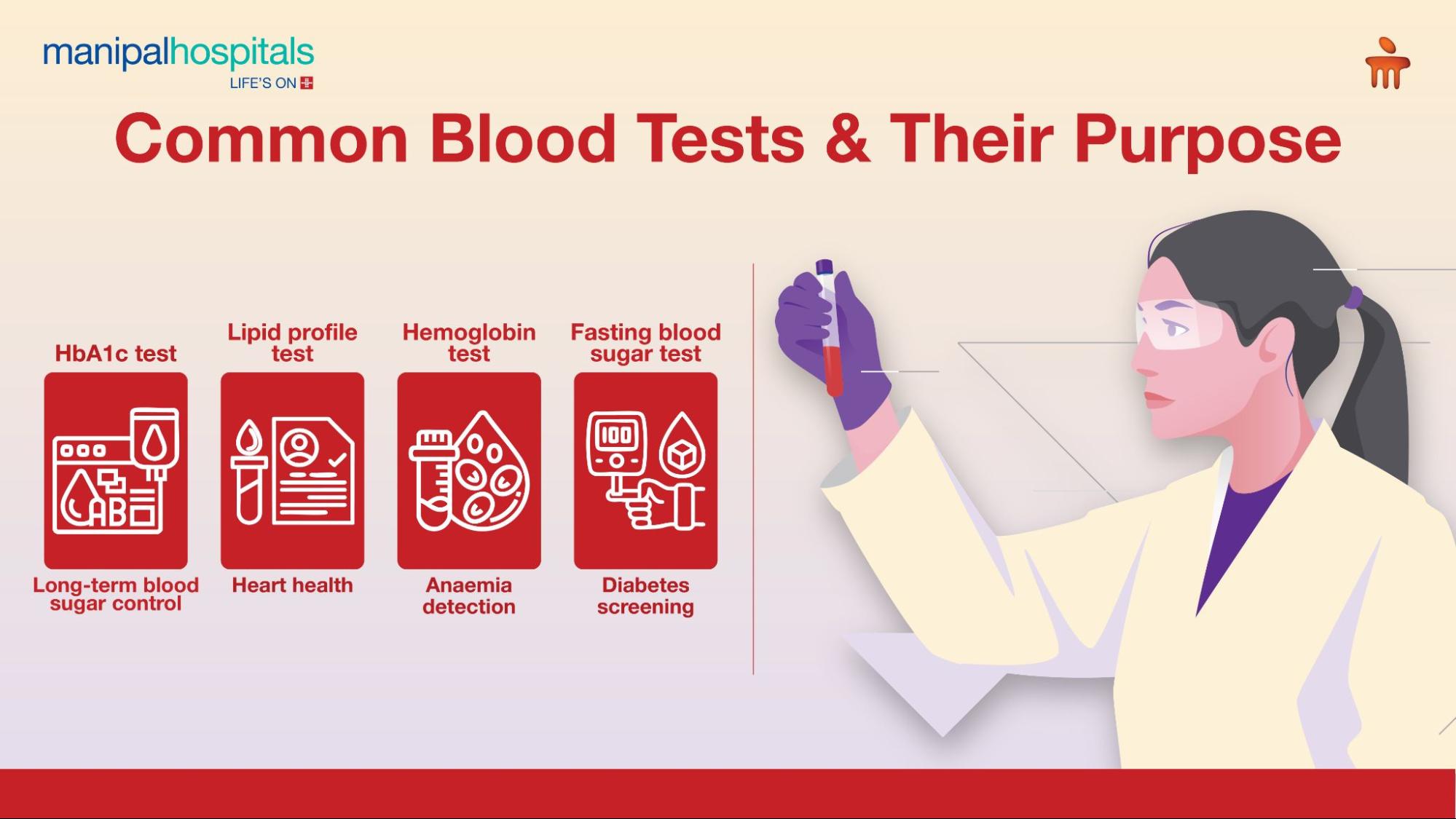
Routine testing is a vital part of a preventive health checkup, even for people who do not show obvious symptoms.
Why Are Routine Blood Tests Important?
1. Early Disease Detection
Many conditions, like diabetes, high cholesterol, anaemia, and thyroid disorders, do not show symptoms initially. Routine blood tests help identify these problems before complications arise.
2. Monitoring Chronic Conditions
For individuals with diabetes, heart disease, or hypertension, regular tests such as the HbA1c test or lipid profile test help track disease control and treatment effectiveness.
3. Understanding Overall Health
Checking normal blood test values gives a snapshot of how well your organs are functioning and whether lifestyle changes are needed.
4. Preventive Healthcare
A structured preventive health checkup reduces long-term healthcare costs and improves quality of life through early intervention.
Common Types of Routine Blood Tests and What They Show
1. Fasting Blood Sugar & Blood Sugar Test
A fasting blood sugar test measures glucose levels after 8–10 hours of fasting. A general blood sugar test can be done randomly to assess current glucose levels. These tests help detect diabetes and prediabetes.
2. HbA1c Test
The HbA1c test shows average blood sugar levels over the past 2–3 months. It is one of the most reliable diagnostic tests for diabetes management.
3. Lipid Profile Test
A lipid profile test measures cholesterol levels, including LDL, HDL, and triglycerides. Abnormal values increase the risk of heart disease and stroke.
4. Hemoglobin Test
A hemoglobin test evaluates the oxygen-carrying capacity of blood and helps diagnose anaemia, fatigue, and nutritional deficiencies.
5. Complete Blood Count (CBC)
This routine blood test analyses red blood cells, white blood cells, and platelets to detect infections, inflammation, blood disorders, and immune system health.
Understanding Normal Blood Test Values
Knowing normal blood test values helps patients better understand their health status. However, values can vary based on age, gender, and medical history. Doctors at Manipal Hospital Jaipur always interpret results in a clinical context rather than in isolation.
Never self-diagnose based solely on a blood test report; professional interpretation is essential.
When Should You Get Routine Blood Tests Done?
-
Annually, as part of a preventive health checkup
-
If you have a family history of diabetes, heart disease, or thyroid disorders
-
Experiencing symptoms like fatigue, unexplained weight changes, dizziness, or frequent infections
-
Monitoring existing medical conditions
-
Before surgeries or major treatments
Role of Laboratory Medicine in Accurate Diagnosis
The accuracy of blood tests depends greatly on advanced laboratory infrastructure and expert pathologists. The Laboratory Medicine department at Manipal Hospitals Jaipur uses modern diagnostic technology and strict quality controls to ensure reliable and timely results.
Accurate diagnostic tests lead to better treatment planning and improved patient outcomes.
How to Prepare for Blood Tests
-
Follow fasting instructions carefully for tests like fasting blood sugar or lipid profile test
-
Inform your doctor about medications or supplements
-
Stay hydrated unless advised otherwise
-
Avoid heavy exercise before testing
Proper preparation ensures accurate results and avoids repeat testing.
Benefits of Regular Preventive Blood Testing
-
Detects health risks early
-
Supports healthy ageing
-
Reduces complications of chronic diseases
-
Helps maintain optimal normal blood test values
-
Encourages proactive health management
Routine blood tests are not just for illness; they are a tool for lifelong wellness.
Conclusion
Routine blood tests are one of the simplest yet most powerful tools for protecting your health. They help uncover hidden problems, track ongoing conditions, and support timely medical decisions before symptoms become serious. From monitoring blood sugar and cholesterol to identifying nutritional deficiencies, regular testing plays a vital role in preventive healthcare. By choosing periodic routine blood tests at Manipal Hospitals Jaipur, you take a proactive step towards early diagnosis, better disease management, and long-term well-being.
FAQ's
Most adults should undergo routine blood tests once a year. However, people with medical conditions may need more frequent testing.
No. Tests like fasting blood sugar and lipid profile require fasting, while many other blood tests do not.
Abnormal values do not always indicate disease. Doctors evaluate results alongside symptoms and medical history.
Yes. Blood tests can detect diabetes, infections, heart disease risk, liver and kidney disorders at early stages.
You can undergo accurate and comprehensive blood testing at Manipal Hospital Jaipur, supported by advanced Laboratory Medicine services.
Share this article on: