7 Min Read
Pancreatic cancer is often referred to as a "silent killer" because its early signs are typically subtle, non-specific, and easy to overlook. This makes a timely diagnosis particularly challenging. Our dedicated team of oncologists in Gurugram understands the critical importance of early detection in improving patient outcomes. Recognising the earliest pancreatic cancer symptoms and types of pancreatic cancer is a crucial step towards effective intervention. This blog post aims to shed light on these subtle indicators, empowering you to be vigilant about your health and seek medical advice promptly.
Synopsis
Understanding Pancreatic Cancer: The Silent Threat
The pancreas is a vital gland located behind the stomach, playing a dual role in digestion and blood sugar regulation. It produces enzymes essential for breaking down food and hormones like insulin and glucagon.
There are mainly two types of pancreatic cancers: exocrine tumours and endocrine tumours.
Pancreatic cancer typically begins in the cells lining the ducts that carry digestive enzymes (exocrine tumours) or, less commonly, in the hormone-producing cells (endocrine tumours).
The challenge with pancreatic cancer lies in its location deep within the abdomen, making it difficult to feel or see during routine physical exams. Furthermore, initial pancreatic cancer symptoms are often vague and mimic less serious conditions, leading to delays in diagnosis. However, advancements in medical science and increased awareness are slowly turning the tide. Studies show that for localised pancreatic cancer, surgical removal can lead to a 5-year survival rate of up to 40%, significantly higher than for advanced stages. This underscores the profound impact of identifying early warning signs.
Key Pancreatic Cancer Symptoms You Shouldn't Ignore
While no single symptom is definitive, a combination of these signs, especially if persistent or worsening, warrants immediate medical evaluation. It's crucial to pay attention to these potential pancreatic cancer symptoms:
Unexplained Weight Loss and Loss of Appetite
-
Significant Weight Loss: Losing a noticeable amount of weight without trying (e.g., 5-10% of body weight over 6-12 months) is one of the most common early indicators. This can be due to the tumour consuming energy, malabsorption of nutrients, or a general feeling of being unwell.
-
Decreased Appetite: A persistent lack of hunger, feeling full quickly after eating small amounts, or a sudden aversion to certain foods can be concerning.
Jaundice and Related Symptoms
-
Yellowing of Skin or Eyes (Jaundice): This is often one of the most recognisable pancreatic cancer symptoms, also called a jaundice cancer symptom by the majority of the population. It occurs when a tumour in the head of the pancreas blocks the bile duct, preventing bile from reaching the intestines. Bilirubin, a component of bile, then builds up in the blood.
-
Dark Urine: As bilirubin accumulates, it's filtered by the kidneys, making urine appear unusually dark, like tea or cola.
-
Pale or Greasy Stools: If bile cannot reach the intestines, due to jaundice cancer tumour, the stools may lose their normal brown colour and appear pale, clay-colored, or greasy because of undigested fats.
-
Itchy Skin: The buildup of bilirubin in the skin can lead to intense itching (pruritus).
Abdominal and Back Pain
-
Persistent Abdominal Pain: A dull ache or discomfort in the upper abdomen that may radiate to the back is common. This pain can be constant or come and go, often worsening after eating or when lying down.
-
Back Pain: If the tumour presses on nerves or organs in the back, it can cause persistent back pain that doesn't resolve with typical pain relief measures.
Digestive Issues
-
Nausea and Vomiting: Tumours can obstruct the digestive tract, leading to feelings of nausea and occasional vomiting, especially after meals.
-
Indigestion and Bloating: Persistent bloating, feeling uncomfortably full, or indigestion that doesn't respond to antacids could be a sign.
New-Onset Diabetes or Worsening Existing Diabetes
-
Sudden Diabetes Diagnosis: The pancreas produces insulin. A tumour can impair this function, leading to new-onset diabetes in adults, especially if accompanied by unexplained weight loss.
-
Uncontrolled Diabetes: In individuals already living with diabetes, a sudden, unexplained worsening of blood sugar control might also be a subtle sign. Research indicates that 1 in 4 pancreatic cancer patients develops diabetes 6 to 36 months before their cancer diagnosis.
Other Vague Signs
-
Fatigue: Persistent, unexplained tiredness that doesn't improve with rest can be a symptom of many underlying conditions, including cancer.
-
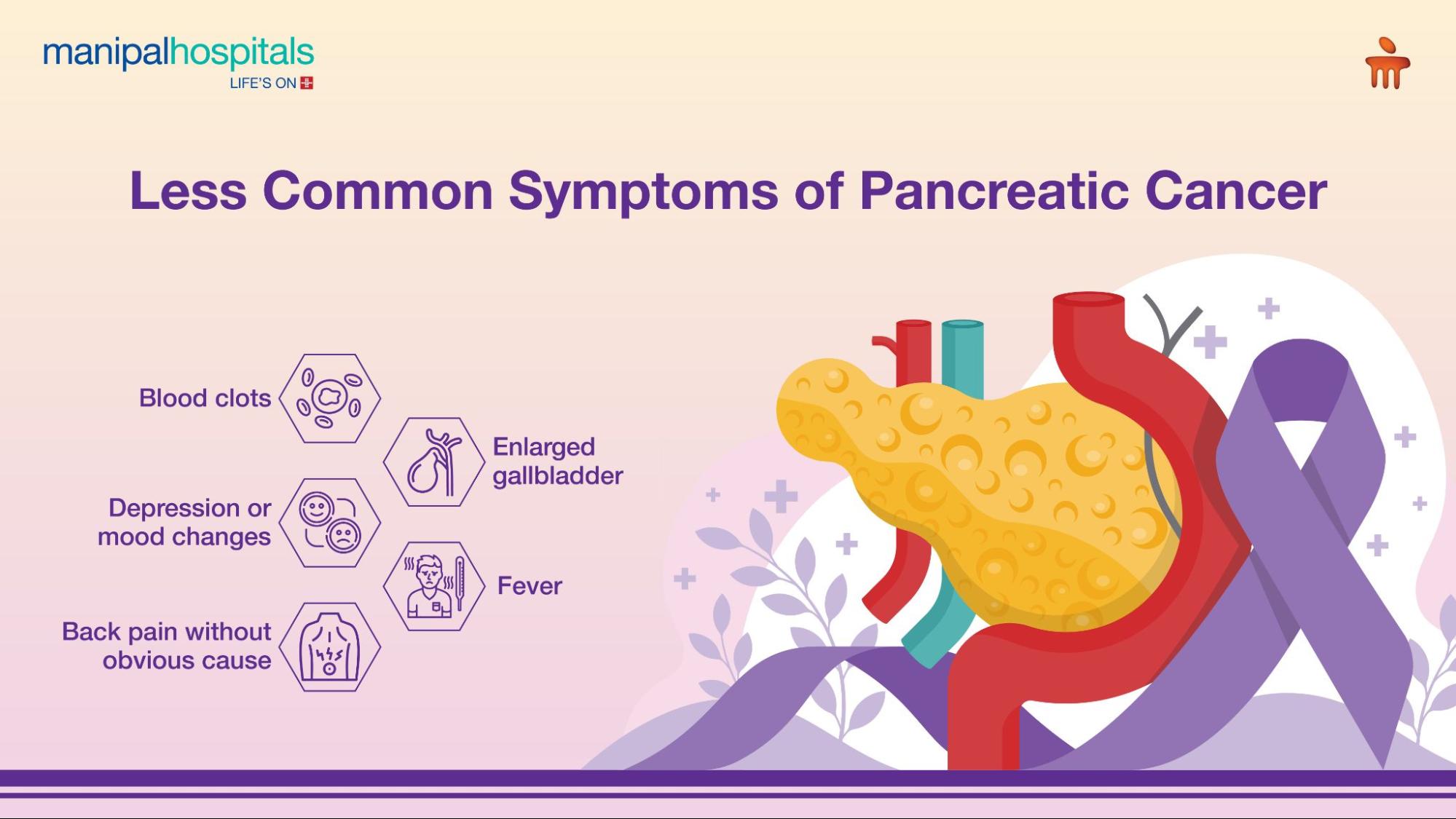
Blood Clots: In some cases, pancreatic cancer can increase the risk of blood clots, particularly in the legs (deep vein thrombosis) or lungs (pulmonary embolism).
Who is at Risk? Identifying Risk Factors
The question that everyone asks is: “What causes pancreatic cancer?” It is noteworthy that there is no single factor that causes pancreatic cancer; the following can increase your risk:
-
Age: The risk increases with age, most commonly diagnosed in people over 60.
-
Smoking: Smokers are two to three times more likely to develop pancreatic cancer.
-
Obesity: Being overweight or obese increases the risk.
-
Diabetes: Long-standing diabetes, especially type 2, is a risk factor.
-
Chronic Pancreatitis: Long-term inflammation of the pancreas can increase risk.
-
Family History: A strong family history of pancreatic cancer or certain genetic syndromes can elevate risk.
-
Heavy alcohol use can contribute to chronic pancreatitis, increasing the risk.
Book an appointment with our expert oncologist for advanced cancer diagnosis, personalised treatment, and compassionate care.
The Importance of Early Detection: Why Timely Action Matters
Early detection dramatically shifts the prognosis for pancreatic cancer, regardless of the types of pancreatic cancer. When diagnosed at a localised stage, before it has spread, treatment options such as surgery become viable and significantly improve survival rates. While overall 5-year survival rates for pancreatic cancer hover around 11% due to late diagnosis, this figure can soar to over 40% when the disease is found and treated early. Therefore, even though there is no definitive answer to the question “what causes pancreatic cancer?”, the above data definitely highlight the immense power of recognising pancreatic cancer symptoms and acting swiftly. Our expert oncologists in Gurugram are equipped with advanced diagnostic tools and treatment protocols to give every patient the best possible chance.
FAQ's
The pancreas is a gland located behind the stomach that produces digestive enzymes to help break down food and hormones like insulin and glucagon, which regulate blood sugar levels.
Generally, the symptoms of pancreatic cancer are similar for both men and women. The presentation depends more on the tumour's location within the pancreas and its stage.
When detected early and the tumour is localised, surgical removal can be curative for some patients. For more advanced stages, treatment focuses on controlling the disease and managing symptoms to improve quality of life. Early detection is key for the best chances of a cure.
Diagnosis typically involves a combination of imaging tests (like CT scans, MRI, or endoscopic ultrasound), blood tests (including tumour markers like CA 19-9), and often a biopsy to confirm the presence of cancer cells.
Currently, there is no widely available or recommended routine screening test for the general population. Screening may be considered for individuals with a very high genetic risk, but this is done on a case-by-case basis under specialised guidance.
Share this article on:


.webp "Liver Cancer Treatment")
--What-Every-Prostate-Cancer-Patient-Should-Know.webp "Prostate Cancer Surgery: LRP Procedure & Recovery Guide")