7 Min Read
Experiencing persistent itching in your inner thighs can be incredibly uncomfortable, disruptive, and even embarrassing. While often a common annoyance, it can sometimes signal an underlying skin condition that requires attention. Understanding the common causes of itchy inner thighs will help explore effective remedies and adapt practical prevention tips to keep your skin healthy and comfortable.
Synopsis
Understanding Itchy Inner Thighs
The inner thigh region is susceptible to various skin irritations due to its unique environment. It’s an area where skin folds often rub against each other, trapping moisture, sweat, and heat. This creates a breeding ground for bacteria and fungi, leading to conditions that can manifest as an itchy rash on the inner thigh, dryness, or even discolouration over time. Understanding these factors is the first step towards effective relief and prevention.
Common Causes of Itchy Inner Thighs
Several factors can contribute to an itchy sensation in the inner thigh area:
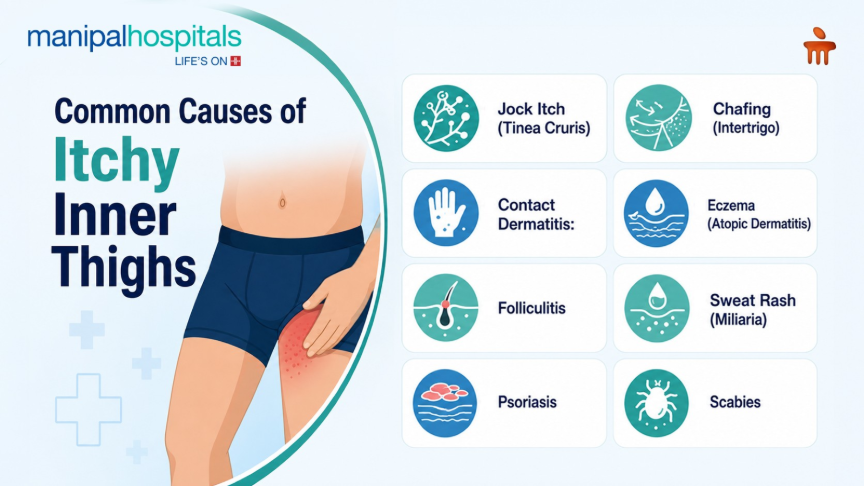
-
Jock Itch (Tinea Cruris): This is a common fungal infection that thrives in warm, moist areas like the inner thighs, groin, and buttocks. It typically presents as a red, itchy, ring-shaped rash, often with raised edges. It's highly contagious and can be quite irritating.
-
Chafing (Intertrigo): Caused by skin-on-skin friction, especially during physical activity or in individuals with larger thighs, chafing can lead to irritated, red, and itchy skin. If left unaddressed, chronic chafing can cause the skin to become thickened and appear on the inner thighs, black and itchy due to post-inflammatory hyperpigmentation.
-
Contact Dermatitis: This allergic reaction occurs when your skin comes into contact with an irritant or allergen, such as certain fabrics, detergents, soaps, or even lotions. The resulting rash can be very itchy, red, and sometimes blistered.
-
Eczema (Atopic Dermatitis): A chronic inflammatory skin condition, eczema can cause dry, red, intensely itchy patches anywhere on the body, including the inner thighs. It often flares up due to specific triggers like allergens or stress.
-
Folliculitis: This condition involves inflammation of the hair follicles, often appearing as small, red, pus-filled, itchy bumps on the inner thigh, resembling pimples. It’s typically caused by bacterial or fungal infections.
-
Sweat Rash (Miliaria): Also known as heat rash, this occurs when sweat ducts become blocked, trapping sweat beneath the skin. It causes small, itchy bumps and can be common in hot, humid climates or after intense exercise.
-
Psoriasis: An autoimmune condition where skin cells build up rapidly, forming thick, silvery scales and itchy, dry patches. While it can occur anywhere, inverse psoriasis often affects skin folds like the inner thighs, presenting as smooth, red, and inflamed patches.
-
Scabies: A highly contagious skin infestation caused by tiny mites that burrow into the skin, leading to intense itching, especially at night, and small, red bumps or blisters.
When to Seek Medical Attention
Do seek advice if you experience any of the following:
-
The itch is severe, persistent, or interferes with sleep and daily activities.
-
You notice open sores, blisters, or signs of infection (pus, increased redness, warmth).
-
The rash spreads rapidly or does not improve after a week of home care.
-
You develop a fever or feel unwell along with the skin symptoms.
-
You suspect a sexually transmitted infection (STI) or other serious underlying condition.
Effective Remedies and Management Strategies
Managing itchy inner thighs involves practical home care with professional medical interventions tailored to your specific condition.
Home Care and Lifestyle Adjustments
-
Maintain Excellent Hygiene: Shower daily, especially after sweating, using a mild, fragrance-free cleanser. Ensure you thoroughly dry the inner thigh area afterwards by gently patting, not rubbing.
-
Wear Breathable Clothing: Opt for loose-fitting clothing made from natural, moisture-wicking fabrics like cotton. Avoid tight underwear or synthetic materials that trap heat and moisture.
-
Keep the Area Dry: Consider using absorbent powders (talc-free) to reduce moisture and friction, especially if you're prone to sweating.
-
Avoid Irritants: Switch to hypoallergenic detergents, soaps, and lotions if you suspect contact dermatitis. Avoid harsh chemicals or heavily fragranced products.
-
Moisturise Regularly: For dry, eczema-prone skin, use a thick, emollient cream or ointment to keep the skin hydrated and protect its barrier.
-
Resist Scratching: While difficult, scratching can worsen irritation, break the skin, and lead to infection. Keep nails trimmed and consider cool compresses to soothe the itch.
Professional Medical Treatments
For persistent or severe cases, experts can diagnose the exact cause and prescribe targeted treatments. With appropriate medical intervention, most cases of persistent itchy inner thighs resolve completely within 2-4 weeks. Depending on the diagnosis, treatments may include:
-
Topical Antifungals: For jock itch and other fungal infections.
-
Topical Corticosteroids: To reduce inflammation and itching in conditions like eczema, psoriasis, or severe contact dermatitis.
-
Antibiotics: If a bacterial infection is present, especially with folliculitis or secondary infections from scratching.
-
Antihistamines: Oral medications to help control severe itching, particularly if it disrupts sleep.
-
Barrier Creams: To protect the skin from friction and moisture.
-
Advanced Therapies: For chronic conditions like severe eczema or psoriasis, our dermatologists may recommend light therapy or other systemic treatments.
Prevention is Key: Keeping Your Inner Thighs Healthy
Preventing itchy inner thighs largely involves maintaining a healthy skin environment and minimising factors that trigger irritation. By adopting these proactive measures, you can significantly reduce the likelihood of recurrence:
-
Maintain a Healthy Weight: Reducing excess weight can minimise skin folds and friction, decreasing the risk of chafing and intertrigo.
-
Stay Hydrated: Drinking enough water keeps your skin healthy and resilient.
-
Shower Immediately After Exercise: Wash off sweat and bacteria promptly to prevent their buildup.
-
Choose the Right Underwear: Opt for cotton shorts or underwear that extends down the thigh to create a barrier between the skin surfaces, preventing friction.
-
Rotate Workout Gear: Ensure your athletic clothing is clean and dry for each workout session.
-
Manage Underlying Conditions: If you have chronic conditions like diabetes or a weakened immune system, manage them effectively as they can increase susceptibility to skin infections.
Care Essentials: Do's and Don'ts
To effectively manage and prevent itchy inner thighs, consider these crucial dos and don'ts:
-
DO keep the inner thigh area clean and dry at all times.
-
DO wear loose-fitting, breathable clothing, especially in warm weather.
-
DO use mild, hypoallergenic skin care products.
-
DO apply a barrier cream or powder to prevent chafing if you are prone to it.
-
DO seek medical advice promptly if symptoms persist or worsen.
-
DON'T scratch the affected area, as this can worsen irritation and lead to infection.
-
DON'T use harsh soaps, scented lotions, or chemical irritants on your inner thighs.
-
DON'T ignore persistent symptoms; early intervention often leads to quicker resolution.
-
DON'T share towels, clothing, or personal items, especially if a fungal infection is suspected.
-
DON’T wear tight clothing made of synthetic materials for extended periods.
Conclusion
Navigating the discomfort of itchy inner thighs can be challenging, but understanding its causes and implementing effective solutions is the first step towards relief. While many home remedies offer temporary respite, persistent or severe symptoms warrant professional medical attention. Seeking expert guidance ensures an accurate diagnosis and the most appropriate itchy thigh treatment plan. Don't let discomfort disrupt your life; take proactive steps towards healthy, comfortable skin. If you are experiencing these symptoms, it's crucial to seek timely medical advice. Book an appointment with our expert internal medicine specialists at Manipal Hospitals today.
FAQ's
While often due to common and treatable issues like fungal infections or chafing, persistent or severe itching, especially with other symptoms like fever or spreading rashes, can indicate a more serious underlying condition. It's always best to get it checked by a doctor.
While no direct link to inner thigh itching, a healthy, balanced diet supports overall skin health. For some, specific food allergens might trigger eczema flares, which could affect the inner thighs.
The duration varies depending on the cause and severity. Mild cases might improve in a few days with home care, while fungal infections typically take 2-4 weeks with antifungal treatments. Chronic conditions like eczema or psoriasis require ongoing management.
Yes, tight clothing, especially jeans made from non-breathable fabrics, can trap heat and moisture, leading to chafing, sweat rashes, and providing an environment conducive to fungal growth, all of which can cause itching.
Yes, hormonal changes, increased sweating, and weight gain during pregnancy can make women more susceptible to skin conditions like chafing, yeast infections, and heat rashes in areas like the inner thighs.
Stress doesn't directly cause itching, but it can exacerbate existing skin conditions like eczema or psoriasis, making them flare up and become itchier or more widespread. It can also weaken the immune system, making one more prone to infections.
Share this article on: