5 Min Read
In our fast-paced lives, we often prioritise physical fitness but end up neglecting the health of our brain. However, maintaining optimal neurological wellness is paramount for a vibrant, fulfilling life. The brain is an incredibly complex and energy-intensive organ, constantly working to process information, manage emotions, and control bodily functions. This high metabolic activity makes it particularly vulnerable to damage from oxidative stress. Fortunately, a nutritious diet for brain health, which has antioxidants and magnesium, can aid in enhancing its function and ensuring optimal neurological health.
Synopsis
The Brain's Nutritional Demands
The brain, though only about 2% of our body weight, consumes roughly 20% of our body's oxygen and calories. This intense activity generates a significant amount of byproducts, including free radicals. Free radicals are unstable molecules that can cause cellular damage, a process known as oxidative stress. Over time, chronic oxidative stress can contribute to neuroinflammation, neuronal damage, and an increased risk of neurological disorders.
This is where a carefully curated brain-healthy diet comes into play. Just as a high-performance engine needs premium fuel, your brain thrives on nutrient-dense foods that provide both energy and protection. Understanding these nutritional needs is the first step towards safeguarding your cognitive health.
The Antioxidant Advantage for Brain Health
Antioxidants are nature's defence against oxidative stress. These compounds neutralise free radicals, preventing them from damaging brain cells. Extensive research highlights the positive correlation of antioxidants and brain health, demonstrating their ability to support memory, focus, and overall cognitive function.
Key Antioxidant Foods for Brain Health:
-
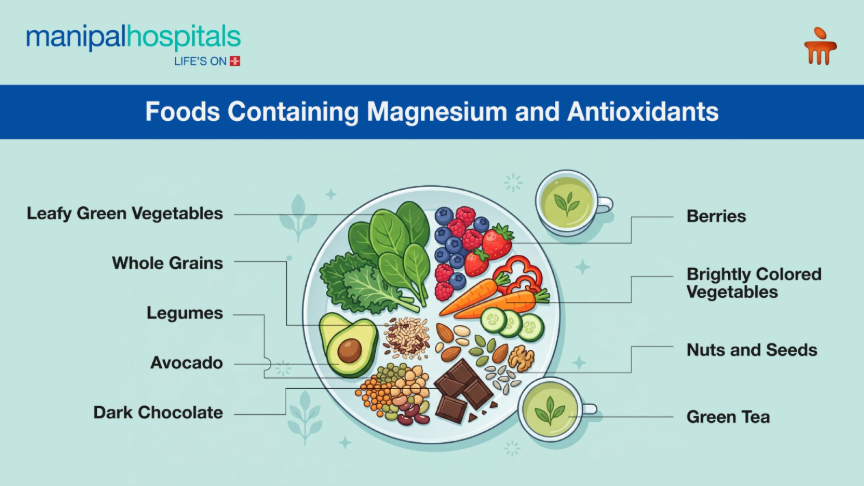
Berries: Blueberries, strawberries, raspberries, and blackberries are packed with anthocyanins, powerful antioxidants known to improve memory and motor skills.
-
Leafy Green Vegetables: Spinach, kale, and collard greens are rich in vitamins K, lutein, folate, and beta-carotene, which have been linked to slower cognitive decline.
-
Brightly Coloured Vegetables: Bell peppers, carrots, and sweet potatoes offer beneficial antioxidants like beta-carotene and vitamin C.
-
Nuts and Seeds: Walnuts, almonds, pecans, and sunflower seeds contain vitamin E, a potent antioxidant that can help protect brain cells from damage.
-
Dark Chocolate: High-quality dark chocolate (70% cocoa or higher) is a source of flavonoids, which are antioxidants that can improve blood flow to the brain and enhance cognitive function.
-
Green Tea: Contains polyphenols and L-theanine, which have neuroprotective effects and can improve alertness and focus.
Why Magnesium for the Brain
Often overlooked, magnesium is a mineral that plays a pivotal role in over 300 biochemical reactions in the body, many of which are critical for neurological function. It's often referred to as "nature's relaxant" due to its calming effects on the nervous system. The relationship between magnesium and the brain is intricate and vital, influencing everything from nerve signal transmission to mood regulation.
Magnesium is essential for:
-
Neurotransmitter Regulation: It helps regulate neurotransmitters like glutamate (involved in learning and memory) and GABA (an inhibitory neurotransmitter that promotes relaxation).
-
Energy Production: Magnesium is crucial for ATP (adenosine triphosphate) synthesis, the primary energy currency of cells, including brain cells.
-
Nerve Transmission: It supports the healthy functioning of nerve cells and the efficient transmission of electrical signals.
-
Blood-Brain Barrier Integrity: Magnesium helps maintain the integrity of the blood-brain barrier, protecting the brain from harmful substances.
Magnesium Deficiency Neurological Symptoms:
When magnesium levels are insufficient, it results in symptoms like the following:
-
Chronic headaches or migraines
-
Anxiety and panic attacks
-
Depression and irritability
-
Insomnia and sleep disturbances
-
Muscle cramps, twitches, or tremors
-
Fatigue and low energy
-
Poor concentration and brain fog
-
Numbness or tingling sensations
Ensuring adequate magnesium for brain health can significantly alleviate these issues and support overall neurological resilience. Some sources of dietary magnesium include the following:
-
Leafy Green Vegetables: Spinach, kale, and Swiss chard
-
Nuts and Seeds: Almonds, cashews, pumpkin seeds, and chia seeds
-
Legumes: Black beans, lentils, and chickpeas
-
Whole Grains: Brown rice, oats, and whole wheat bread
-
Dark Chocolate
-
Avocado
Crafting Your Brain-Healthy Diet
Adopting a brain-healthy diet isn't about restrictive eating; it's about making conscious choices to nourish your brain. Combining a variety of antioxidant-rich foods with excellent sources of magnesium creates a powerful synergy that supports long-term neurological wellness. Here’s how you can create a good diet for brain health:
-
Embrace Variety: Eat a rainbow of fruits and vegetables daily to ensure antioxidant intake.
-
Prioritise Whole Foods: Minimise consumption of processed foods, sugary drinks, and unhealthy fats that can promote inflammation and oxidative stress.
-
Hydrate Adequately: Water is crucial for brain function. Even mild dehydration can impair concentration and mood.
-
Incorporate Healthy Fats: Omega-3 fatty acids, found in fatty fish, flaxseeds, and walnuts, are essential for brain structure and function.
-
Don't Forget Protein: Lean proteins provide amino acids, the building blocks for neurotransmitters.
Conclusion
Having a diet that supports brain health that not only preserves neuronal function but also reduces the damage from oxidative stress is extremely important in keeping neurological disorders at bay. Including antioxidants and magnesium in your diet can help with improving and protecting the brain. If you wish to discuss how a specialised diet can support your brain health, do consult with our experts at the Department of Neurology at Manipal Hospital, Goa. Our neurologists will help answer your diet and provide the necessary advice to keep your brain’s functioning intact.
FAQ's
While a brain-healthy diet can significantly support neurological wellness and potentially reduce the risk or progression of certain conditions, it is not a cure. It should complement, not replace, professional medical treatment and advice.
The brain is complex, and changes can be gradual. While some individuals may notice improved energy and focus within weeks, significant cognitive benefits often become apparent over several months of consistent dietary and lifestyle changes.
Ideally, magnesium should be obtained through diet. However, if dietary intake is insufficient or a deficiency is diagnosed, your doctor might recommend a supplement. Always consult a healthcare professional before starting any new supplement.
Antioxidants combat oxidative stress, which is implicated in the development of neurodegenerative diseases like Alzheimer's. While they can't guarantee prevention, a diet rich in antioxidants is associated with a reduced risk and slower cognitive decline.
While certain foods like blueberries, walnuts, and leafy greens are often highlighted, the most effective approach is to consume a wide variety of nutrient-dense foods. No single "superfood" can provide all the benefits of a balanced diet.
Yes, there's growing evidence linking diet to mental health. Nutrients like magnesium, omega-3s, and various antioxidants support neurotransmitter function and reduce inflammation, which can positively impact mood and help manage symptoms of anxiety and depression.
Share this article on: