8 Min Read
Hot weather can affect your body a lot quicker than you can expect, and cases of heat-related illness go up during the summer months. Heat exhaustion and heat stroke are related, but they have plenty of differences. Heat exhaustion starts when your body loses too much water and salt through sweating. Heat stroke happens when your body stops controlling its temperature, and that can turn serious very fast.
Many people mix up the two because the early signs can feel similar. That confusion often delays the right care. Both problems come from staying in the heat for too long and not drinking enough fluids. If you catch the early signs, the condition can be managed. If it progresses, it needs urgent medical care.
This blog features expert insights from experienced physicians in Doddaballapur, Bangalore, to help you understand the difference between heat exhaustion and heat stroke, recognise early warning signs, and know when to seek medical attention.
Synopsis
What Is Heat Exhaustion?
Heat exhaustion happens when the body loses too much water and salt through sweating, and these are not replaced. The body keeps trying to cool itself, so sweating continues and fluid loss increases.
Body temperature may rise but usually remains below 40°C. It is not immediately life-threatening, but it is a warning sign that the body is under stress from heat.
Common situations that can lead to heat exhaustion include:
-
Long hours in direct sunlight
-
Intense activity without enough breaks
-
Poor ventilation or crowded spaces
-
Not drinking enough water
-
Tight or heavy clothing
-
Sudden exposure to high heat
What Is Heat Stroke?
Heat stroke is the most severe form of heat-related illness. It occurs when the body's heat-regulating mechanisms break down, causing the core temperature to rise rapidly to 40°C or higher. Sweating may slow down or even stop, so the heat stays trapped inside. After a point, it starts affecting the brain, and the symptoms start to appear. The person may seem confused, speak oddly, or not respond normally. In some cases, seizures or unconsciousness can happen. Conditions that can lead to heat stroke are:
-
Being out in strong heat for long hours without rest or shade
-
Pushing through heavy activity in hot weather when the body is already drained
-
Staying in closed spaces where air does not move, and heat builds up
-
Sudden confusion, strange behaviour, or difficulty staying alert
-
Fainting or collapsing as the condition gets worse
-
Serious harm can happen to the brain, kidneys, and heart if help is delayed
Because the body can no longer regulate itself, heat exhaustion and heatstroke transition from a state of dehydration to a state of multi-organ stress. Immediate medical intervention is required to lower the body temperature and prevent long-term complications.
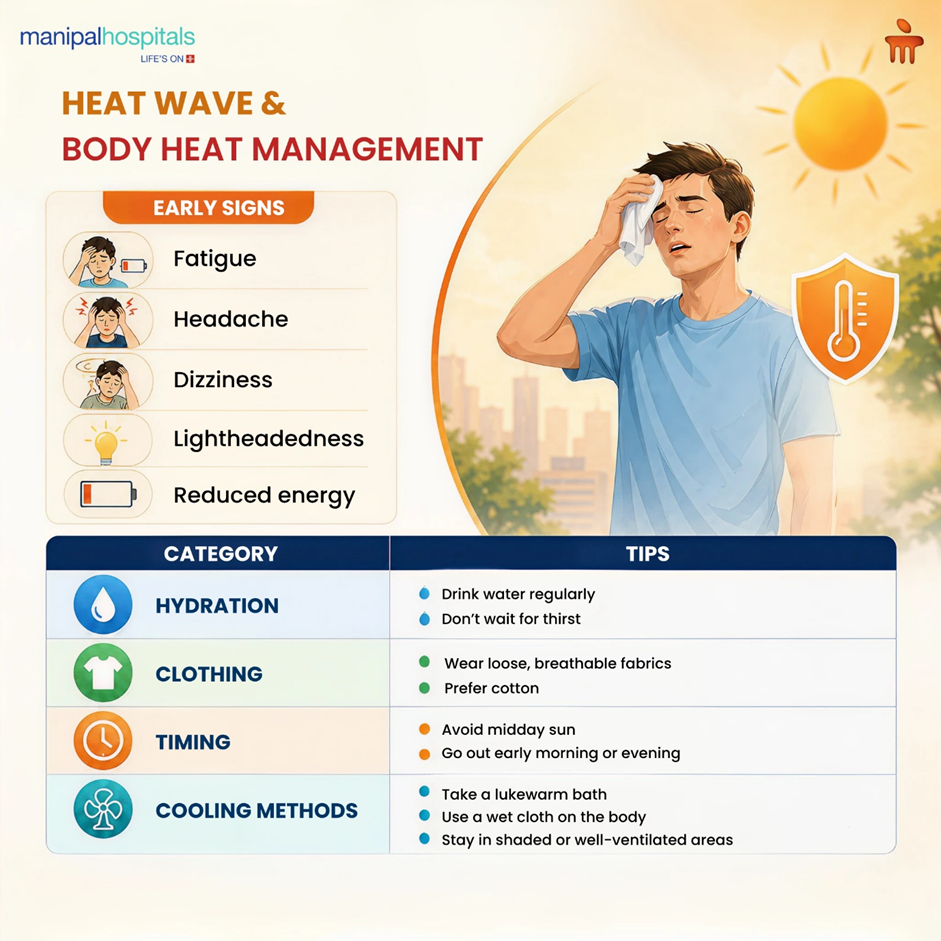
Who Is at Higher Risk
Some people are more likely to develop heat exhaustion or heat stroke, especially during hot weather:
-
Children and Infants: Their bodies heat up faster than adults and they cannot always communicate thirst.
-
Older Adults: The ability to sense changes in temperature and the thirst mechanism both decline with age.
-
Outdoor Workers: Those in construction or agriculture face prolonged exposure to heat exhaustion triggers.
-
People with Chronic Conditions: Heart or lung diseases can make it harder for the body to manage the stress of heat exhaustion.
Key Differences Between Heat Exhaustion and Heat Stroke
Early signs can overlap, but specific changes in behaviour and physical state can help you distinguish between heat exhaustion and the more dangerous heat stroke. The following are the key differences between the two:
|
Feature |
Heat Exhaustion |
Heat Stroke |
|
Body temperature |
Below 40°C |
Above 40°C |
|
Sweating |
Heavy sweating present |
Sweating is reduced or absent |
|
Skin feel |
Cool, pale, clammy |
Hot, dry, or sometimes slightly moist |
|
Mental state |
Tired, dizzy, may feel faint |
Confused, restless, not responding, unconscious |
|
Pulse |
Fast but weak |
Very fast and strong |
|
Breathing |
Normal or slightly fast |
Rapid and deep |
|
Main concern |
Fluid and salt loss |
Failure of temperature control |
|
Organ impact |
No major damage at this stage |
Brain and organ damage risk |
|
Immediate action |
Rest, fluids, cooling |
Emergency medical care is needed |
Heat Exhaustion Symptoms You Should Not Ignore
Early symptoms of heat exhaustion often get dismissed as simple tiredness. Many people continue their activity without realising what is happening. Recognising heat exhaustion symptoms early can prevent the condition from getting worse.
-
Heavy sweating that does not reduce even after resting, showing the body is trying hard to cool down
-
Feeling weak or unusually tired, even without much activity
-
Dizziness or light-headedness, sometimes leading to fainting if ignored
-
Nausea, with or without vomiting, as the body struggles to cope with heat stress
-
Muscle cramps, especially in the legs or abdomen, are linked to loss of salts
-
A headache that feels dull or persistent during heat exposure
-
Skin turning cool, pale, and clammy despite being in a hot environment
Symptoms That Indicate Heat Stroke
Symptoms of heat stroke affect the brain and need urgent attention. At this stage, the body is no longer able to control heat, and the main change is in how the person behaves and responds. The difference is not just physical discomfort. It shows up in awareness, reactions, and basic functioning.
-
The person may not respond normally to questions or surroundings
-
Speech may become unclear or confusing
-
Behaviour may seem restless, confused, or unusual
-
They may not recognise where they are or who is around them
-
Sudden collapse or loss of consciousness can occur
-
The body feels extremely hot to the touch
-
Breathing may appear fast or irregular
First Aid and Immediate Care
Early action is crucial to stop the condition from worsening during any heat illnesses. If you start noticing signs of heat exhaustion, don’t push through it. The body is already struggling, and a few simple steps can help bring things back under control.
-
Move into shade or a cooler place as soon as you can
-
Lie down for a bit, keep your legs slightly raised
-
Take small sips of water or oral rehydration fluids
-
Loosen your clothes so heat can escape
-
Put a wet cloth on your neck, underarms, or forehead, or take a quick cool shower
-
Sit there and give your body some time to settle
If it starts feeling worse or is not improving:
-
Get medical help without waiting
-
Try to cool the body fast using wet cloths, ice packs, or even a fan
-
Don’t give fluids if the person is not fully conscious
Prevention Tips
You don’t need anything complicated to lower the risk of heat exhaustion and heatstroke. A few habits throughout the day can make a clear difference, especially when the heat is high.
-
Drink water regularly, even if you don’t feel very thirsty
-
Avoid going out during peak afternoon heat when temperatures are highest
-
Wear loose, light clothes that let heat escape easily
-
Take breaks if you are working or exercising outdoors
-
Use a fan or stay in a cool room whenever possible
-
Give your body some time to adjust when moving into hotter conditions
-
Keep fluids going through the day so the body doesn’t lose its balance
Conclusion
Heat-related problems don’t always look serious in the beginning. It can start with simple tiredness or dizziness, and many people ignore it. That’s where things can go wrong. Knowing the difference between mild signs and dangerous ones helps you act on time. Some situations can be handled with rest and fluids, but others need quick medical care.
If your symptoms feel unusual or suddenly worsen, do not ignore them or wait for them to resolve on their own. Early medical attention can make a critical difference in preventing serious complications caused by heat-related illnesses. If you are in or near Doddaballapur, consult the expert physicians at Manipal Hospital Doddaballapur for timely diagnosis and treatment. Reaching the emergency department at the right time could help save you or your loved one from life-threatening complications.
FAQ's
Heat exhaustion occurs when the body is still trying to cool down. The temperature stays below 40°C. Heat stroke is more serious. The temperature goes above 40°C, and the brain gets affected. The person may act confused or stop responding.
Yes, it can. If you don’t cool down or replace fluids, the body keeps heating up. That is when it can move into heat stroke.
Early heat exhaustion symptoms include heavy sweating, feeling weak, dizziness, nausea, muscle cramps, and skin that feels cool and sticky.
You should go if the person seems confused, faints, has a very high temperature, or is not responding properly. Those are serious signs.
If you catch it early, you may feel better in a few hours with rest and fluids. When dehydration is more severe, it may take a day or two before you feel normal again.
Share this article on: